
Recent Posts
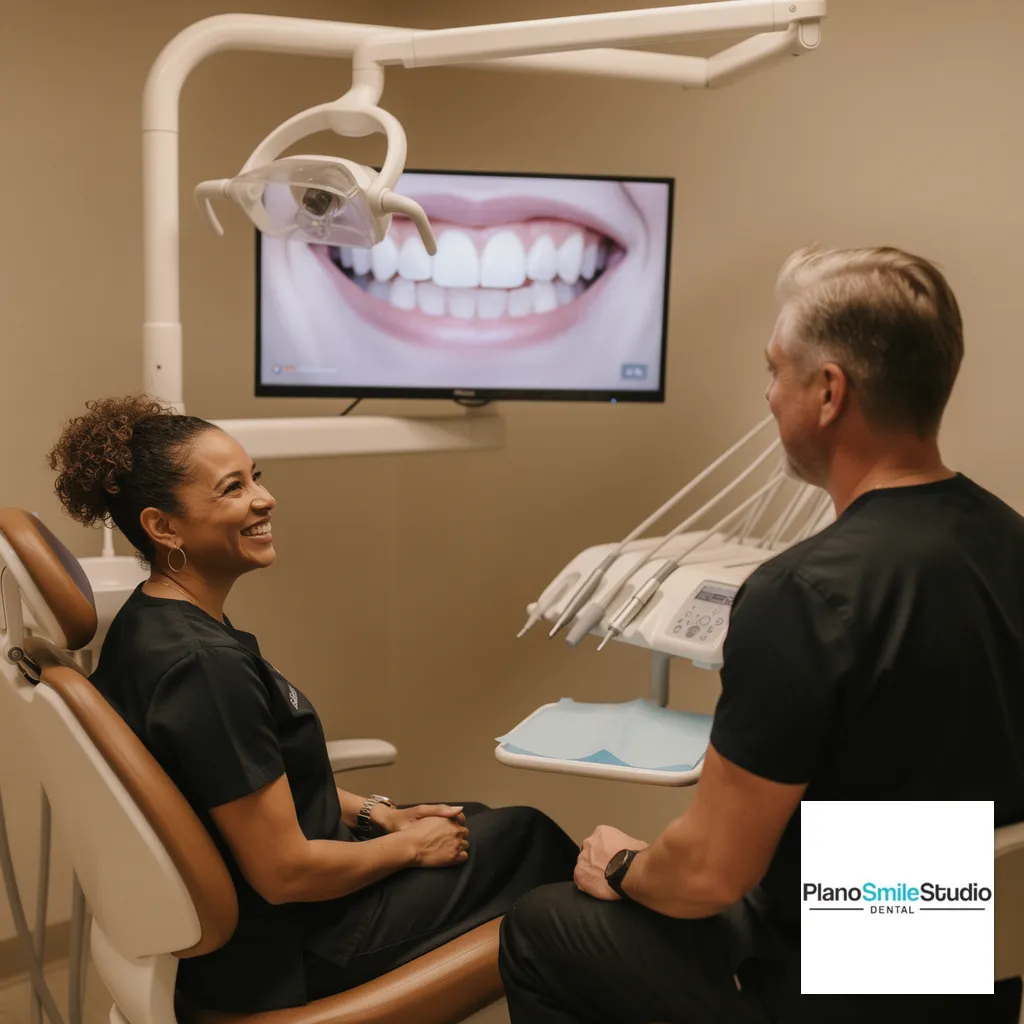
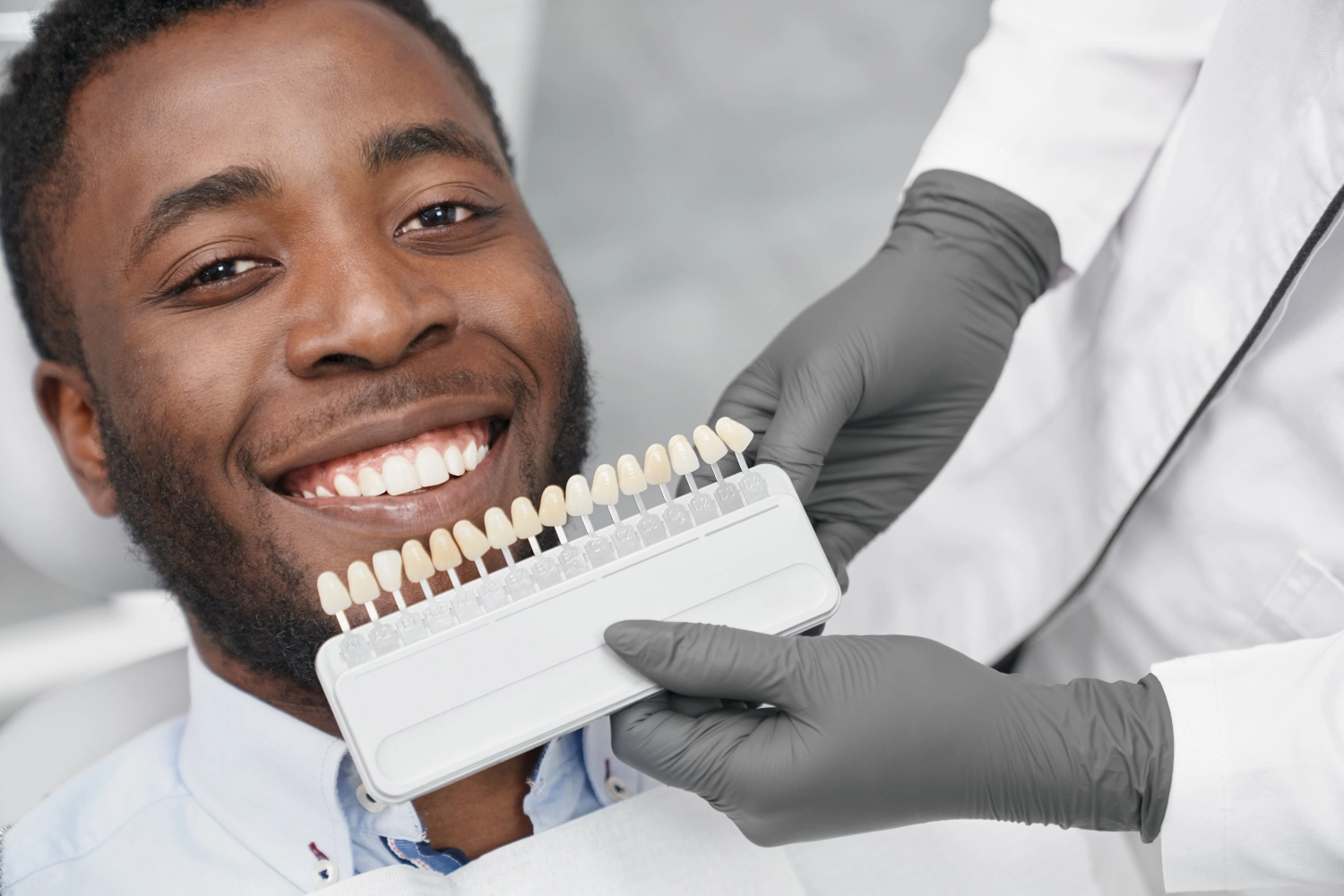
Porcelain veneers are a remarkably versatile tool in cosmetic dentistry. They can be used to conceal unsightly damage to a tooth, to re-contour an undersized or misshapen tooth or even as “instant orthodontics,” straightening out a slightly crooked group of teeth.
Patients with new veneers are eager to show off their enhanced smiles, but at the same time, they want to be sure to extend the device’s longevity by caring for them properly. The last thing a patient wants is to have to make a return trip to the cosmetic dentist to get veneers repaired or be fitted for new ones.
Veneers are made of thin porcelain layers, so patients may think that they are fragile. Typically, that is not true. In fact, veneers can last for up to a decade when you maintain them properly.
Veneers are permanently bonded to the teeth using a strong dental adhesive. The adhesive is often cured with light to strengthen the attachment. This characteristic gives veneers their strength. In many ways, taking care of the veneers is the same as taking care of your natural teeth.
To protect your new veneers, a little bit of common sense will go a long way. Don’t bite directly into any hard foods, like apples, or non-food objects. Take steps to prevent trauma to the mouth, such as wearing a mouthguard while playing contact sports. Kick bad habits that can potentially harm your teeth, like nail biting or smoking.
Your daily oral hygiene routine will remain the same, too, and it’s just as important for veneers as for your biological teeth. Brush twice a day, using proper technique, and floss daily. See your dentist at six-month intervals for exams and cleanings. When you visit the dentist, let the hygienist know that you have veneers. Some instruments and cleaning materials could harm your veneers, and the hygienist might need to adjust the routine cleaning techniques.
If you are considering veneers and would like more information about the treatment process, contact the office of Dr. John M. Hucklebridge to schedule your professional consultation today.

