
Recent Posts

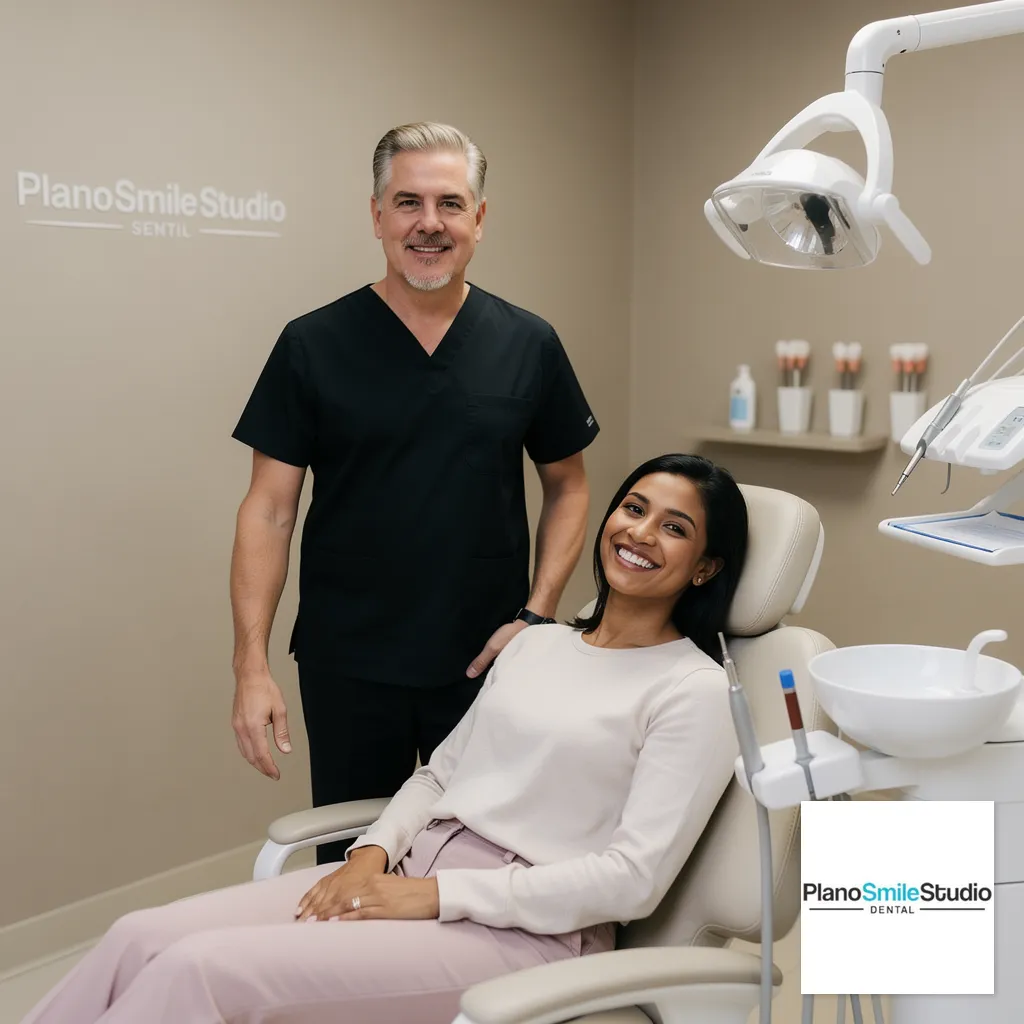
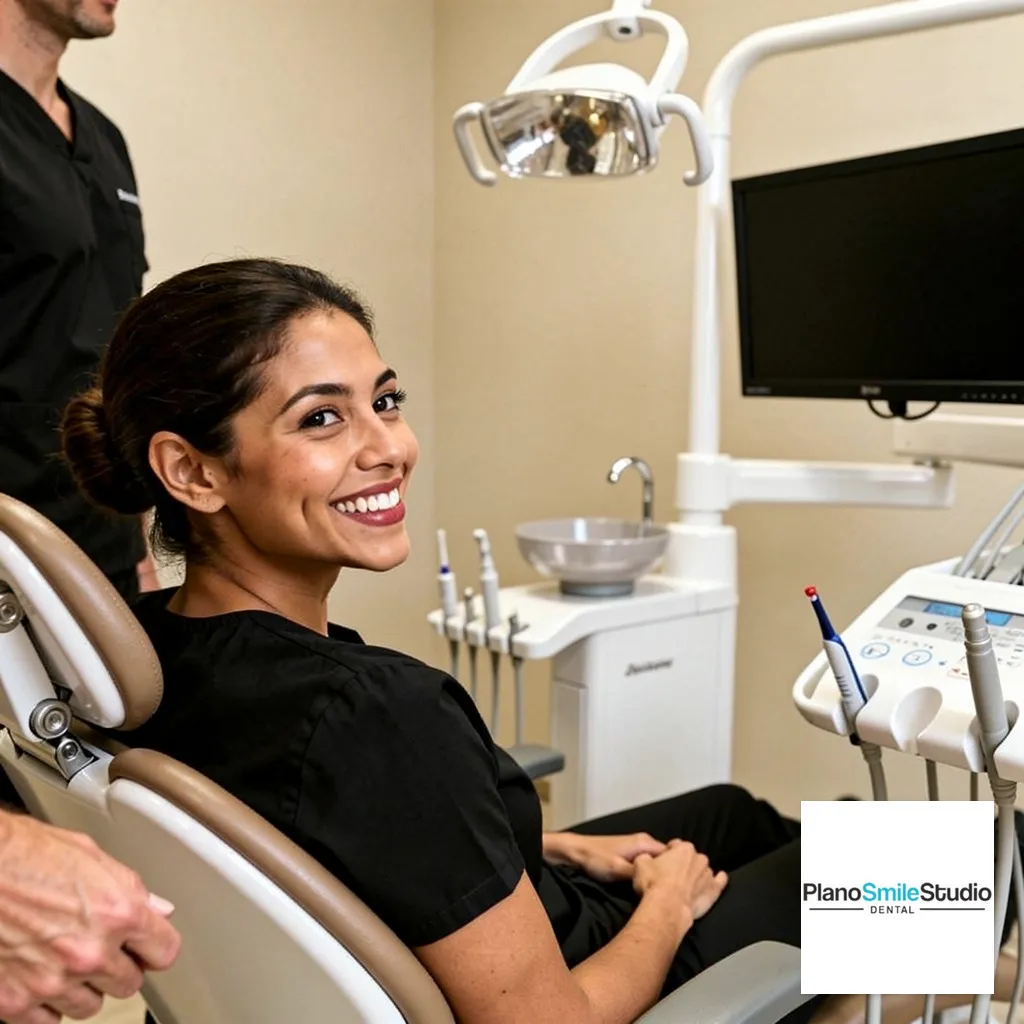

Porcelain veneer placement at Plano Smile Studio starts with a consultation where Dr. John M. Hucklebridge, DDS, FAGD, evaluates your teeth and outlines your treatment plan. Next, your teeth receive minimal reshaping, followed by digital impressions. Temporary veneers protect your teeth while custom restorations are crafted, then permanently bonded during your final visit, completing your smile transformation.
What Should You Expect Before Treatment Begins?
A consultation determines whether your smile qualifies for porcelain veneers before any permanent work starts. Skip this step and you risk mismatched shade selection, ill-fitting shells, or complications from underlying dental disease that surface mid-treatment. Preparation protects both your investment and your results.
Your first visit at the Plano, TX office focuses on evaluation and education. Dr. Hucklebridge and his team examine your teeth and gums, discuss your aesthetic goals, and explain each stage of the veneer procedure in plain terms. The practice emphasizes personalized, attentive care from this very first appointment. Questions about timeline, sensitivity, or maintenance get addressed early rather than after treatment begins.
Who qualifies as a good candidate for veneers?
Eligibility depends on the health of your teeth and gums, not just their appearance. Candidates must have teeth free of cavities and gums free of active gum disease before treatment moves forward. Any existing decay or infection needs treatment first, since veneers bond to healthy tooth structure and cannot mask underlying disease.
What conditions do veneers typically address?
Veneers correct a specific set of cosmetic concerns identified during your consultation. Common reasons patients pursue veneers in Plano include:
- Discoloration that whitening treatments haven’t resolved
- Chips or minor fractures affecting the visible tooth surface
- Gaps between front teeth
- Slight misalignment that doesn’t require full orthodontic correction
Once your dentist confirms candidacy and maps out which teeth need coverage, you move into the planning phase with a clear picture of what treatment will involve. The team’s commitment to complete patient satisfaction means no step gets rushed, including this evaluation stage.
How Are Teeth Prepared For Veneers?
Tooth preparation removes a thin layer of enamel from the front surface of each treated tooth, creating room for a custom shell to sit flush against your natural bite. This step determines how your final restoration fits and feels, so precision matters at every stage. Skipping careful preparation risks a bulky, uneven result that never quite matches the rest of your smile.
Veneers are thin, tooth-colored shells built to bond directly onto the prepared surface of your teeth. Because the fit depends on exact measurements, your dentist follows a sequence rather than rushing through a single visit. Expect the following steps during your veneer procedure:
- Discuss your goals and review your dental history with your dentist.
- Numb the treatment area to keep the appointment comfortable.
- Remove a thin layer of enamel from each tooth being treated.
- Take an impression or digital scan of your prepared teeth.
- Place temporary shells while your custom veneers are fabricated.
What Makes Preparation Comfortable at a Plano Practice?
Comfort during preparation comes down to who is doing the work and how they treat you. Dr. Hucklebridge treats every patient with dedication and compassion, an approach designed to keep each appointment relaxing rather than stressful. That patient-first mindset shapes how veneers in Plano are prepared from the very first step.
Who Supports You During the Preparation Appointment?
A full team of professionals supports your visit, not just the dentist alone. Plano Smile Studio staffs 20 employees who assist with everything from scheduling to chairside preparation, ensuring your appointment runs smoothly. The practice holds itself to the highest quality standards throughout tooth preparation, aiming for a fit that lasts and a result you feel confident showing off.
What Happens During Impressions And Temporaries?
Digital or physical impressions capture the exact shape of your prepared teeth after enamel removal. Temporary veneers then protect those teeth while your custom restorations are crafted. This stage sits in the middle of a veneer procedure that spans more than one appointment. Expect a short waiting period between visits rather than a same-day result.
Follow these steps once your teeth are prepared and ready for the impression stage:
- Sit through a precise impression appointment, where your dentist records the contours of each prepared tooth.
- Review shade and shape details with your dentist to confirm the impressions reflect your desired outcome.
- Receive temporary veneers, placed to protect exposed enamel and maintain your appearance during fabrication.
- Return for a fitting check, where your dentist inspects the temporaries and addresses any comfort issues.
- Wait for your permanent veneers to be completed before scheduling the bonding appointment.
How long do temporary veneers stay on?
Temporary veneers remain in place only until your permanent restorations return from fabrication. You wear them for comfort and protection, not as a long-term solution. Guided support continues throughout this window, carrying you from your original consultation through impressions and on to final bonding and aftercare.
Who oversees the impression and temporary stage?
Dr. Hucklebridge draws on years of experience helping patients of varying ages reach their smile goals. That background shapes how he manages the temporary veneer phase for veneers in Plano. His reputation for polished aesthetic results. Attentive patient care brings cosmetic dentistry patients from across the greater Dallas area, including Plano, to this stage of treatment.
How Are Final Veneers Bonded To Teeth?
Dental cement fuses each custom-crafted shell to the front surface of your tooth during a precision-focused final appointment. Dr. Hucklebridge applies decades of experience as a leading cosmetic. Full-arch implant dentist in Plano, Texas to every bonding session, ensuring each shell seats accurately before permanent placement. Precision at this stage determines how your smile looks and functions for years to come.
Complete this groundwork before bonding begins:
- Confirm your temporary veneers have protected your prepared teeth without irritation or shifting.
- Review the final shade, shape, and fit of your porcelain veneers with your dentist.
- Approve the aesthetic result before permanent cement locks the veneers into place.
Once you approve the fit, the bonding sequence follows a clear order:
- Remove the temporary veneers and clean each tooth surface thoroughly.
- Test-fit the permanent veneers to check alignment, spacing, and color match.
- Apply dental cement to the back of each veneer.
- Position the veneer precisely on the tooth surface.
- Cure the cement with a specialized light to harden the bond instantly.
- Trim excess cement and polish the edges for a seamless, natural finish.
What Problems Do Bonded Veneers Correct?
Bonded veneers camouflage chipped or broken teeth, close visible gaps, and mask stubborn discoloration or staining. They also reshape misshapen teeth and add proportion to teeth that appear too small. This single-appointment fix addresses multiple cosmetic concerns at once.
What Should You Expect Immediately After Bonding?
Your bite feels stable, and your teeth look proportionate right away. Patients seeking veneers in Plano expect improved dental health alongside a transformed, confident smile once bonding finishes—outcomes this practice prioritizes with every case.
How Do You Care For New Veneers?
Daily brushing, gentle flossing, and routine dental visits protect your investment after the veneer procedure. Skipping these steps risks premature wear, staining around the edges, or damage that shortens the lifespan of your restoration. Follow these steps in the weeks and months after placement:
- Brush twice daily with a non-abrasive, fluoride toothpaste to avoid scratching the porcelain surface.
- Floss carefully around each veneer to prevent buildup at the gumline.
- Avoid biting hard objects such as ice, pens, or fingernails, which can chip the edges.
- Wear a nightguard if you grind your teeth, since grinding places uneven pressure on veneers.
- Schedule follow-up visits so your dental team can check the fit and seal of each veneer.
Your smile’s appearance depends on more than the initial bonding. A refreshed set of veneers can meaningfully raise your self-confidence for years, but only if you maintain them properly. Neglecting aftercare undermines both the look and the function of your new smile.
How long do veneers last?
Longevity depends on your habits, the material used, and how consistently you keep up with care. Knowing your veneers’ expected lifespan helps you plan realistic long-term maintenance rather than reacting to problems after they appear.
What if I have a problem with my veneers in Plano?
Support does not end when you leave the treatment room. A 20-member team remains available for follow-up appointments and troubleshooting if a veneer feels loose, chipped, or uncomfortable. Reach out promptly rather than waiting, since early attention prevents small issues from becoming costly repairs. Consistent care, paired with accessible follow-up support, keeps your veneers in Plano looking natural and functioning well for the long term.
FAQ
What happens during the first veneer appointment at Plano Smile Studio?
Dr. Hucklebridge and his team examine your teeth and gums, discuss your aesthetic goals, and explain each stage of the veneer procedure, addressing questions about timeline, sensitivity, and maintenance early on.
Who is a good candidate for veneers?
Candidates have teeth free of cavities and gums free of active gum disease. Existing decay or infection requires treatment first, since veneers bond to healthy tooth structure only.
What does tooth preparation for veneers involve?
Dr. Hucklebridge removes a thin layer of enamel from the front surface of each treated tooth, creating room for a custom shell that sits flush against your natural bite.
Conclusion
In closing, understanding the veneer placement process empowers you to approach your smile transformation with confidence and realistic expectations. From the initial consultation through final polishing, each step builds toward a result that enhances both aesthetics and function. The precision required at every stage underscores why selecting an experienced dental team matters—your smile deserves nothing less than meticulous attention to detail. A commitment to excellence that endures long after treatment concludes.

