
Recent Posts
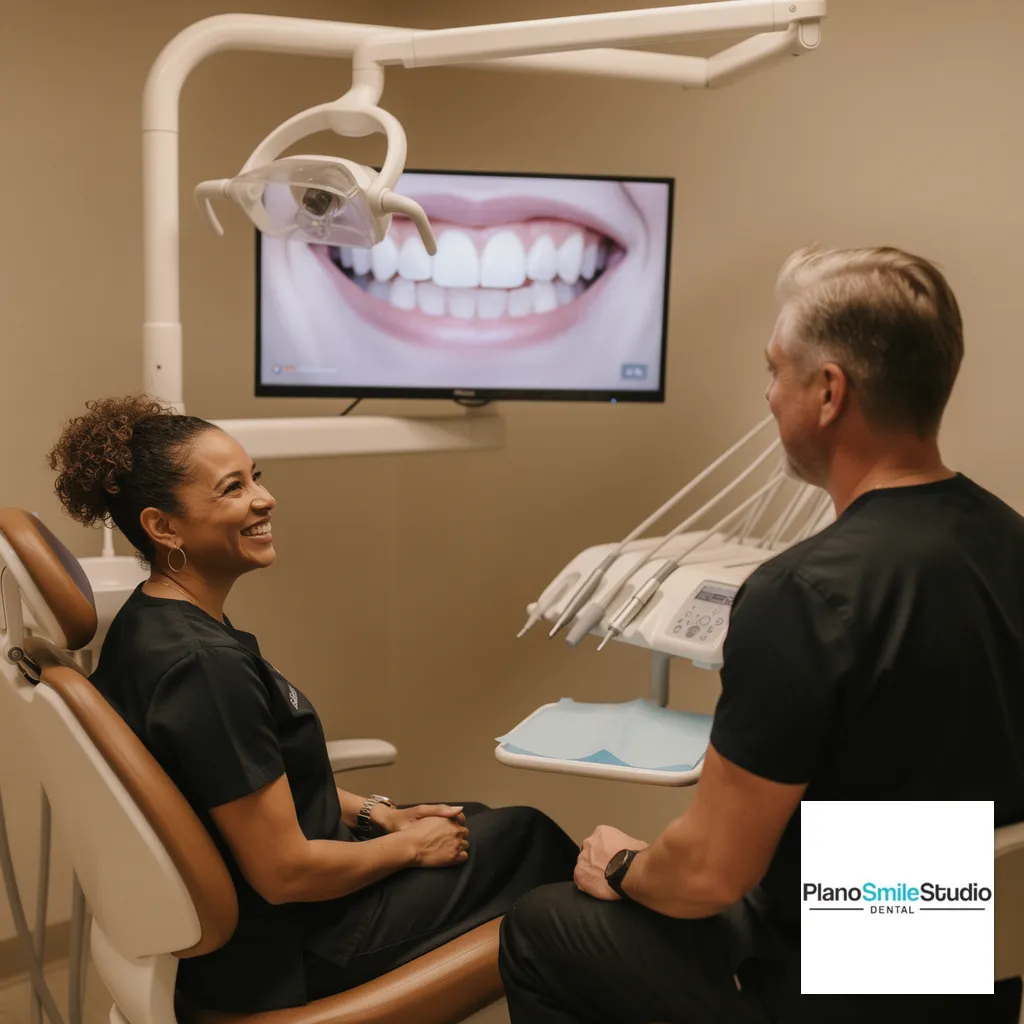
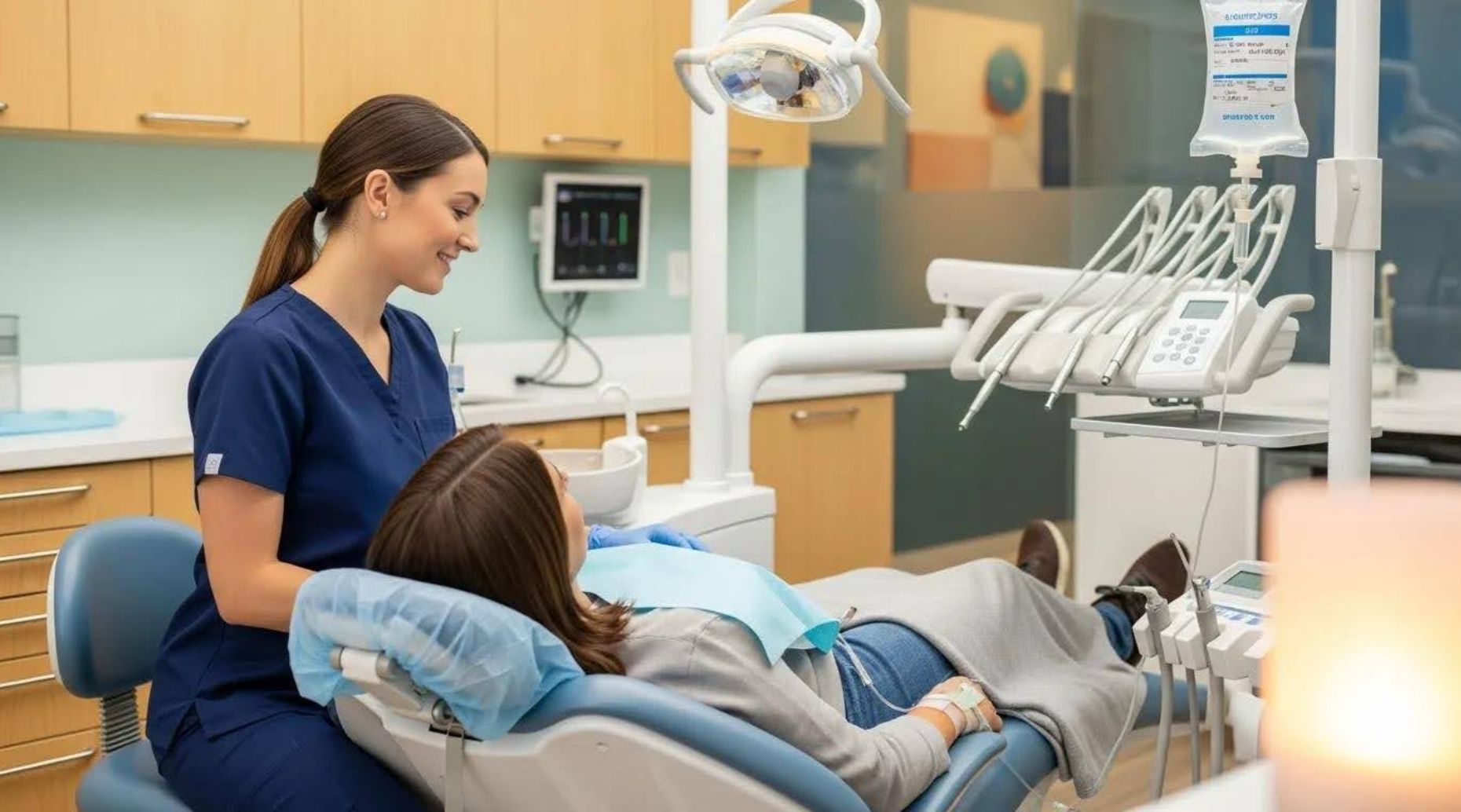
IV sedation is a common option for dental implant surgery that reduces anxiety and improves comfort. This article summarises availability, safety practices, clinical benefits, and potential risks in Plano, TX, plus eligibility, preoperative steps, what to expect the day of surgery, and recovery and follow-up at Plano Smile Studio, a practice offering sedation dentistry.
Availability:
IV sedation is offered at many dental clinics in Plano for implant placement and other procedures. Trained clinicians administer and titrate sedatives while monitoring patients to maintain comfort and safety. Patients often choose IV sedation to manage procedural anxiety and improve tolerance of longer or more complex work.
Safety Measures:
Practices follow safety protocols including thorough medical-history review to identify contraindications. During sedation, clinicians continuously monitor vital signs and adjust doses to maintain stable physiologic parameters and patient comfort, supporting a controlled outpatient environment.
Clinical guidelines emphasise key considerations for administering IV sedation in dental outpatient settings.
Guidelines for Safe IV Sedation in Dental Outpatients
Most of the literature revealed a consensus that light sedation on low-risk American Society of Anesthesiologists (ASA) groups, that is ASA I, and possibly II, is the safest method for sedation in a dental outpatient setting.ConclusionFormal training is essential to achieve the safe practice of sedation in dentistry or medicine. The appropriate setting for sedation should be determined as there is an increased risk outside the hospital setting. Patients should be adequately assessed and medication titrated appropriately, based on individual requirements.
Techniques to administer oral, inhalational, and IV sedation in dentistry, 2016
Benefits:
IV sedation provides several practical advantages for patients having dental implants:
- Alleviates Anxiety: Calms dental anxiety and helps patients tolerate treatment.
- Allows for Longer Procedures: Relaxed patients enable clinicians to complete more complex or multiple procedures in one visit.
- Amnesia Effect: Limited recall of the procedure reduces psychological distress for many patients.
IV sedation can improve procedural tolerance and is frequently recommended when anxiety, length of procedure, or complexity warrant deeper sedation.
Benefits of IV Sedation Compared to Other Sedation Options
Compared with oral or inhaled options, IV sedation offers:
- Deeper Relaxation: A more reliable depth of sedation than typical oral conscious sedatives.
- Quick Onset of Effects: Medication takes effect rapidly, which helps streamline the procedure.
- Amnesia Effect: Reduced recollection can make the visit less traumatic for anxious patients.
These points support considering IV sedation for patients pursuing dental implants in Plano, TX.
Potential Risks:
While IV sedation is generally safe when administered by trained clinicians, potential risks include:
- Respiratory Issues: Rare but can occur; monitoring and preparedness mitigate risk.
- Grogginess Post-Procedure: Drowsiness or disorientation is common and may require assistance home.
Understanding these risks supports informed consent and selection of the safest sedation strategy for each patient.
Specific patient characteristics can modify the risk profile associated with IV sedation.
IV Sedation Risks for Obese Dental Implant Patients
Intravenous sedation in obese patients is relatively difficult to perform compared with that in non-obese patients because airway obstruction easily occurs in obese patients.
Considerations for satisfactory sedation during dental implant surgery, 2023
What Is IV Sedation and How Is It Used in Dental Implant Surgery?
IV sedation delivers sedative agents into the bloodstream through an IV line, producing rapid sedation and deep relaxation during implant placement. Clinicians titrate medication to maintain the desired sedation depth while preserving patient safety and responsiveness as needed.
Definition and Procedure of IV Sedation for Dental Implants
An IV line is placed in the arm or hand to deliver sedatives. Patients typically stay conscious but relaxed and can follow simple instructions. The technique is useful for prolonged or technically complex implant procedures.
Who Is Eligible for IV Sedation During Dental Implant Surgery in Plano, TX?
Eligibility depends on medical history, current medications, and procedure complexity. Patients with significant anxiety or those undergoing extensive treatment are commonly considered candidates, subject to clinical evaluation.
Medical and Dental Criteria for IV Sedation Candidates
Candidates must disclose a complete medical history. Certain conditions may contraindicate IV sedation, so clinicians review comorbidities and medications before confirming a sedation plan.
Particular demographics, including elderly patients, require careful selection of sedative agents to optimise safety and efficacy.
Sedation Efficacy & Safety for Elderly Dental Implant Patients
Both remimazolam and dexmedetomidine can provide satisfactory sedation with minimal inhibition on respiratory function in elderly patients undergoing dental implant surgery. However, remimazolam is superior to dexmedetomidine, offering better hemodynamic stability, faster onset of sedation, and quicker recovery.
Comparison of remimazolam and dexmedetomidine for conscious sedation in elderly patients undergoing dental implant surgery: a prospective randomized controlled …, 2025
How Plano Smile Studio Ensures Patient Safety with IV Sedation
Plano Smile Studio follows strict infection-control practices and uses continuous physiological monitoring during IV sedation to maintain patient safety and clinical standards.
How Should Patients Prepare for IV Sedation Before Dental Implant Surgery?
Preparation commonly includes the following:
- Fasting Requirements: Refrain from eating or drinking for a recommended period before the procedure.
- Transportation Arrangements: Arrange for someone to drive you home due to post-sedation drowsiness.
Following these instructions helps ensure a safer procedure and smoother recovery.
What to Expect on the Day of Surgery with IV Sedation
Patients receive a preoperative consultation to review the sedation plan and ask questions. Monitoring starts before the procedure and continues until the clinician confirms stable vital signs and patient comfort.
What Is the Recovery Process After Dental Implant Surgery with IV Sedation?
Postoperatively, patients are observed until sedation effects wear off. The team discusses pain-management options. Typical transient effects include grogginess and mild discomfort.
Follow-Up Care and Monitoring at Plano Smile Studio
Follow-up visits are scheduled to monitor healing after implant surgery, assess pain control, and address concerns. Ongoing checks help ensure optimal outcomes.
Frequently Asked Questions
What should I expect during the IV sedation process for dental implants?
An IV line is placed in the arm or hand and sedatives are administered to induce relaxation. Patients typically remain conscious but may have limited recall. Vital signs are continuously monitored to maintain safety while allowing the clinician to work efficiently.
How long does the effect of IV sedation last after the procedure?
Duration varies, but many feel drowsy for several hours. Recovery typically occurs within a few hours; avoid driving or heavy machinery and arrange accompaniment until fully alert.
Are there any specific health conditions that disqualify someone from receiving IV sedation?
Certain conditions—severe respiratory disease, some cardiovascular disorders, pregnancy, or prior adverse reactions to sedatives—require careful evaluation and may preclude IV sedation. A full medical assessment determines suitability.
Can I eat or drink before my dental implant surgery with IV sedation?
Patients are generally instructed to fast for a specified period (commonly several hours) before surgery. Your clinician will provide exact fasting instructions based on the planned sedation and procedure.
What are the signs of complications during IV sedation?
Watch for breathing difficulty, excessive drowsiness, confusion, or marked changes in heart rate or blood pressure. Report any concerning symptoms immediately; staff are trained to respond.
How does IV sedation compare to general anesthesia for dental procedures?
IV sedation allows conscious relaxation and is suitable for many implant procedures; general anesthesia renders patients unconscious and is reserved for more extensive surgeries. IV sedation often enables faster recovery and fewer side effects.
What follow-up care is necessary after receiving IV sedation for dental implants?
Attend scheduled follow-up visits for clinical assessment, pain-management review, and evaluation of healing. Follow postoperative instructions on oral hygiene and diet to support recovery.
Conclusion
IV sedation for dental implant surgery in Plano, TX, can reduce anxiety and improve comfort when administered by trained clinicians under proper protocols. Understanding eligibility, preparatory steps, and risks helps patients make informed decisions. Contact Plano Smile Studio to discuss whether IV sedation is appropriate for your implant care.

