
Recent Posts
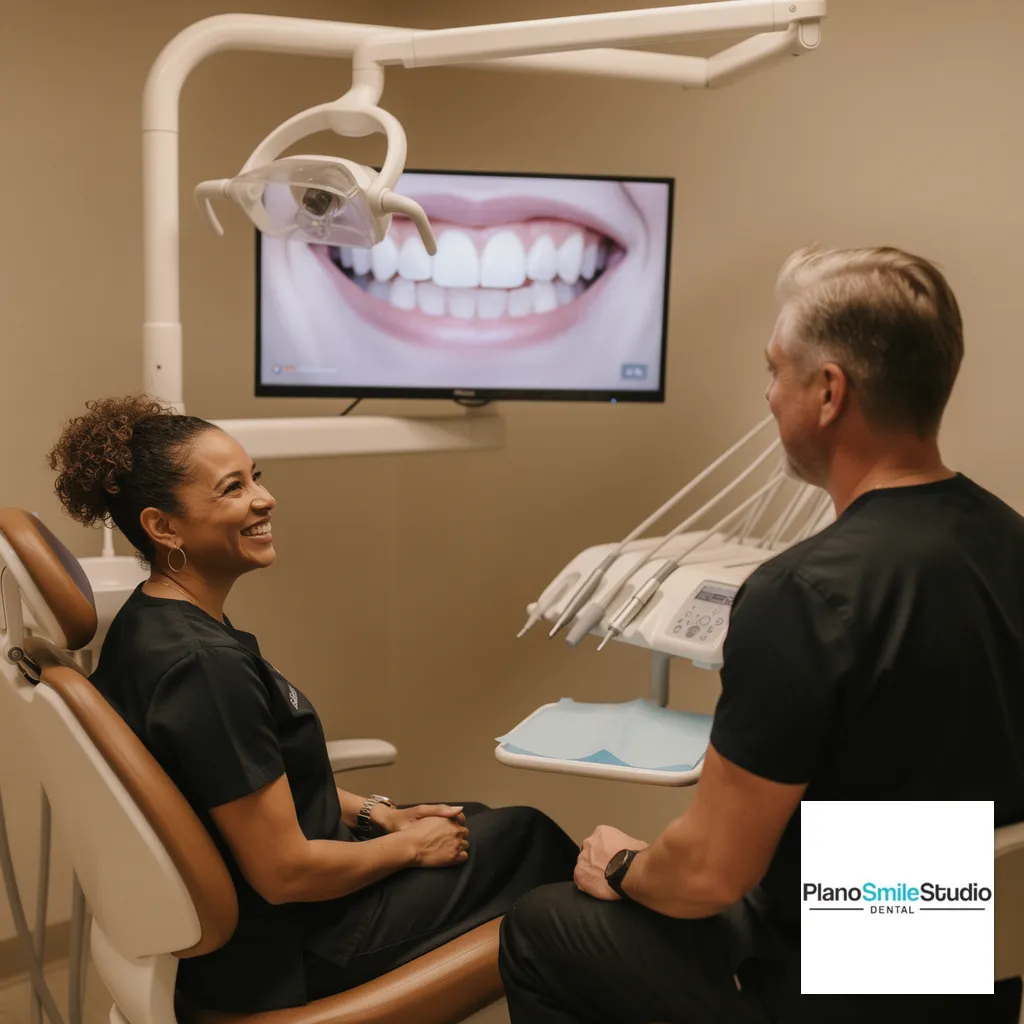
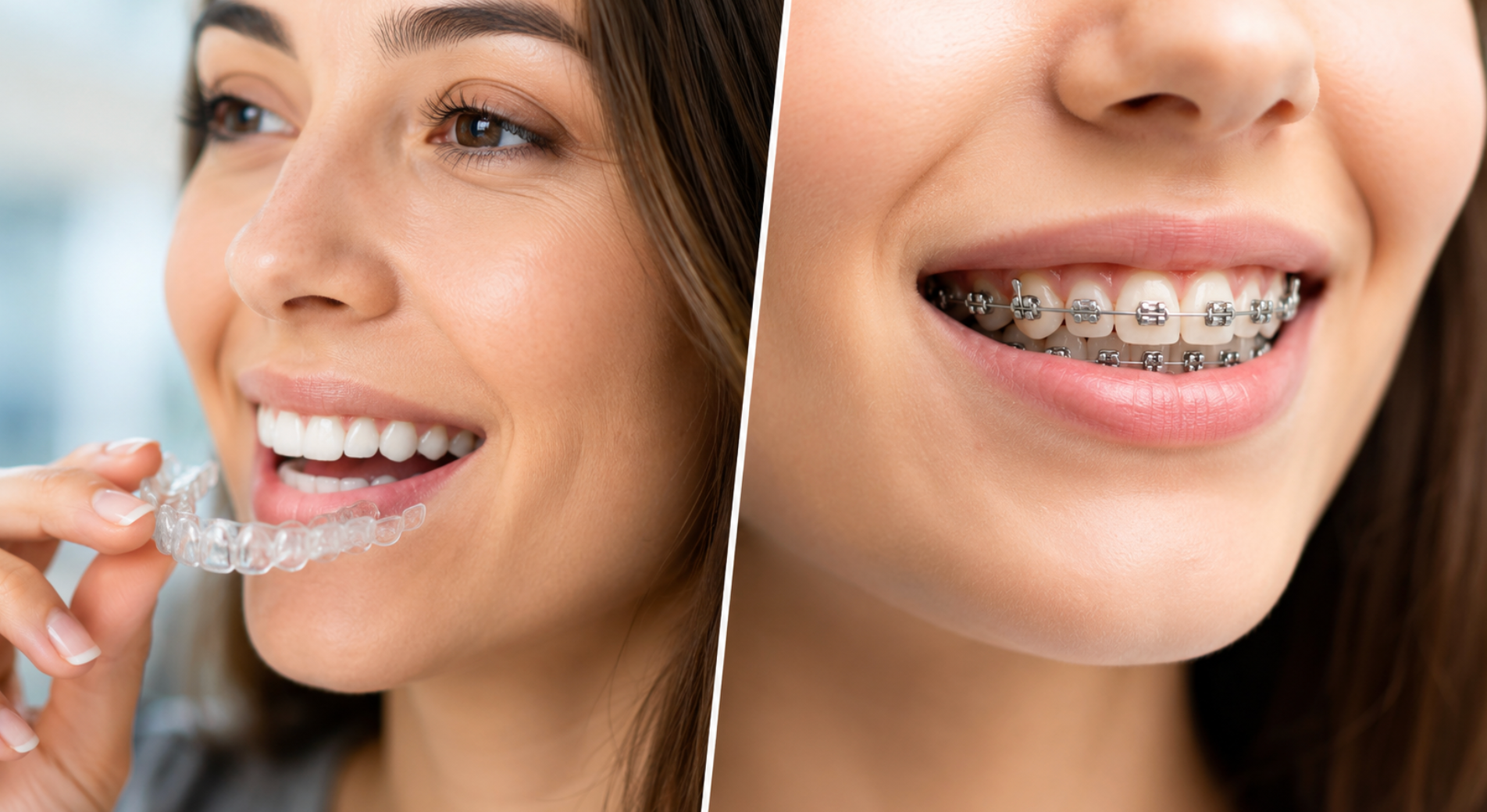
Selecting an appropriate orthodontic treatment affects both dental health and aesthetic outcomes. Patients commonly compare Invisalign and traditional metal braces, each offering specific advantages and limitations. A clear understanding of these options supports an informed decision aligned with treatment objectives, lifestyle, and aesthetic priorities. This article outlines the principal differences, expected timelines, cost factors, and suitability criteria for each approach to assist in determining the most appropriate treatment for your needs.
Comparison of Invisalign and Traditional Metal Braces
Invisalign and traditional metal braces are established orthodontic options with distinct characteristics. The following comparison focuses on treatment effectiveness, patient comfort, and aesthetic considerations.
- Effectiveness: Traditional metal braces are renowned for their effectiveness in treating complex dental issues, while Invisalign is ideal for mild to moderate cases of misalignment.
- Comfort: Patients often report that Invisalign offers greater comfort, as the aligners are smooth and lack the sharp edges found in metal brackets.
- Aesthetic Appeal: Invisalign’s clear aligners provide a nearly invisible option, appealing to those who prefer a more discreet treatment.
These distinctions support a structured assessment of treatment options. For localized orthodontic services in Plano, review the offerings provided by Plano Smile Studio.
What Are the Key Differences Between Invisalign Clear Aligners and Metal Braces in Plano TX?
When evaluating orthodontic care, note the principal distinctions between Invisalign clear aligners and metal braces, particularly for patients in Plano, TX.
- Treatment Effectiveness: Traditional metal braces are often more effective for severe orthodontic issues, while Invisalign is typically more suitable for mild to moderate corrections.
- Aesthetic Considerations: Invisalign clear aligners are less visible than metal braces, making them a preferred choice for adults and teens concerned with aesthetics.
- Cost Comparison: Invisalign treatments can sometimes be on par with or slightly more expensive than metal braces, depending on the complexity of the treatment and duration.
These factors aid in identifying the option best suited to clinical needs and personal preferences. For advanced clear aligner services in the area, consider the Invisalign Plano TX programme.
How Does Invisalign Work as a Clear Aligner System?
Invisalign is a contemporary orthodontic system that employs a series of custom clear aligners to incrementally move teeth into target positions.
The system applies controlled, gentle forces to teeth using smooth, BPA-free plastic aligners. Patients typically wear each aligner for one to two weeks before progressing to the next in the series. Treatment planning uses advanced 3D imaging to map tooth movement from the initial position to the planned final alignment. The combination of discrete appearance and patient comfort contributes to the system’s popularity for suitable cases.
What Is the Treatment Process Using Traditional Metal Braces?
The traditional metal braces process comprises sequential stages that apply controlled physical forces to reposition teeth.
Initially, brackets are bonded to each tooth and an archwire is threaded through to provide constant corrective force. Orthodontic adjustments are scheduled every few weeks to modify tension and direct tooth movement. Typical treatment duration is 18 to 24 months, depending on case complexity. Regular clinical reviews are necessary to monitor progress and implement required adjustments to achieve the planned outcome.
What Are the Benefits and Limitations of Invisalign Compared to Metal Braces?
Both Invisalign and metal braces present specific benefits and constraints, which determine suitability depending on clinical presentation and patient priorities.
- Comfort and Aesthetics:Invisalign: The clear aligners are smooth and comfortable to wear, often resulting in less irritation of the gums and cheeks. They are also virtually invisible, allowing treatment to remain discreet.Metal Braces: While they may cause some discomfort initially, they are effective for complex orthodontic issues and are made of durable materials that can withstand significant force.
- Effectiveness for Various Cases:Invisalign: Best suited for mild to moderate corrections and not recommended for severe misalignments.Metal Braces: Can address a wider range of dental issues, including severe crowding or bite problems.
- Long-term Results:Invisalign: With proper use, patients can achieve lasting effects; however, it requires strict adherence to wearing the aligners.Metal Braces: Generally, offer ensured results and less reliance on patient compliance.
Assess these criteria relative to treatment objectives and daily requirements to determine the most appropriate option.
What Advantages Does Invisalign Offer Over Metal Braces?
Invisalign offers several attributes that may be advantageous for certain patients seeking orthodontic correction.
- Aesthetic Appeal: The virtually invisible aligners allow individuals to straighten their teeth without drawing attention, making them particularly suitable for adults in professional settings.
- Diet Flexibility: Invisalign aligners can be removed during meals, allowing for an unrestricted diet without the limitations often associated with traditional braces.
- Comfort During Wear: The smooth aligners tend to cause less discomfort and irritation than metal brackets and wires, resulting in a more comfortable experience during treatment.
These attributes frequently contribute to higher patient satisfaction among individuals for whom aesthetics and removability are priorities.
What Are the Potential Limitations and Considerations for Invisalign?
Invisalign provides advantages for many cases but also presents limitations that require evaluation prior to selection.
- Compliance and Adherence: Successful treatment relies heavily on the patient’s commitment to wearing the aligners for 20-22 hours daily.
- Suitability for Severe Cases: Invisalign may not be appropriate for individuals with complex orthodontic issues, which may still require traditional braces.
- Cost Considerations: Although comparable, Invisalign may present higher upfront costs, depending on the specific treatment plan and complexity.
Consider these factors with your orthodontic provider to confirm that Invisalign aligns with clinical requirements and practical constraints.
How Do Treatment Duration and Patient Experience Compare Between Invisalign and Metal Braces?
Treatment duration and patient experience vary between Invisalign and traditional metal braces and depend on case complexity and patient cooperation.
- Average Duration Differences:Invisalign: Typically, treatment lasts 12 to 18 months but can vary based on the initial alignment and patient cooperation.Metal Braces: Generally, the duration ranges from 18 to 24 months, influenced by the complexity of the case and required adjustments.
- Patient Comfort Levels:Invisalign: Patients often report higher comfort levels, with fewer adjustments needing to be made throughout treatment.Metal Braces: Patients may experience discomfort after adjustments but can expect effective results due to the force applied via brackets.
- Impact on Lifestyle:Invisalign: Aligners allow for greater flexibility, enabling removability during certain activities or meals.Metal Braces: May require dietary adjustments to accommodate brackets, as certain hard or sticky foods should be avoided.
Evaluate duration, comfort, and lifestyle impact when selecting the treatment that best fits clinical needs and daily routines.
What Is the Typical Duration for Invisalign Treatment in Plano?
Typical Invisalign treatment duration in Plano ranges from 12 to 18 months, subject to individual clinical factors.
Treatment time depends on the extent of misalignment, the patient’s adherence to prescribed wear time, and the treatment objectives established during the initial consultation. Periodic clinical reviews are necessary to monitor progress and make any required adjustments to the plan.
How Long Do Metal Braces Treatments Usually Last?
Metal braces treatment typically spans 18 to 24 months, although the exact duration varies by case complexity.
Patients with more pronounced orthodontic issues may require extended treatment periods; those with minor corrections may complete treatment sooner. Adjustments are generally scheduled every 4 to 6 weeks to maintain appropriate force application and guide tooth movement. Ongoing communication with the orthodontist supports timely and effective treatment progression.
What Are the Cost Differences and Financing Options for Invisalign and Metal Braces in Plano TX?
Costs for Invisalign and traditional metal braces vary according to treatment complexity, provider fees, and ancillary care requirements.
Review estimated costs and available financing with your provider to determine the most appropriate financial plan. For additional information on treatment options and clinical expertise, see Plano Smile Studio.
Who Is the Ideal Candidate for Invisalign or Traditional Metal Braces in Plano?
Ideal candidates for Invisalign include adults and adolescents seeking a discreet solution for mild to moderate dental misalignment.
By contrast, traditional metal braces are recommended for patients with complex orthodontic conditions that require more comprehensive mechanical control. Final treatment selection should consider overall dental health, severity of crowding or spacing, and bite irregularities.
What Patient Factors Influence Invisalign Suitability?
Several patient factors determine Invisalign suitability:
- Age and Dental Conditions: Adolescents and adults with fully developed dentition are typically appropriate candidates; growing patients may require alternative approaches.
- Treatment Goals: Patients prioritising a less visible treatment often prefer clear aligners.
- Lifestyle Considerations: Individuals with schedules that benefit from removable appliances may find Invisalign a convenient option.
When Are Metal Braces Recommended Over Clear Aligners?
Certain clinical circumstances warrant the recommendation of traditional metal braces over clear aligners, including:
- Complex Cases Requiring Braces: Individuals with severe crowding or bite issues may achieve better results with metal braces that provide consistent adjustments.
- Effectiveness for Severe Misalignments: For patients with significant misalignment issues, metal braces offer more precise control over tooth movement.
- Considerations for Youth Patients: Younger patients may benefit from the durability and effectiveness of metal braces, which require less patient compliance.
How Do I Maintain Oral Hygiene With Invisalign and Metal Braces?
Maintain rigorous oral hygiene during orthodontic treatment to reduce the risk of caries, periodontal issues, and other complications.
- For Invisalign:Clean the aligners daily with a soft toothbrush and mild soap or cleanser.Brush twice daily and floss regularly to ensure optimal oral health while wearing aligners.
- For Metal Braces:Use a soft-bristled toothbrush and special flossing tools to clean around brackets and wires effectively.Rinse with an antibacterial mouthwash to further reduce bacteria and plaque buildup.
Adhering to these hygiene protocols supports treatment effectiveness and overall oral health throughout the orthodontic process.
Can Invisalign Correct Severe Orthodontic Issues Compared to Braces?
Invisalign effectively treats many alignment issues, but it may be less suitable for severe orthodontic conditions that demand substantial force and control.
- Treatment Capabilities: Invisalign can address many misalignments; however, cases involving significant crowding, gaps, or bite adjustments might be more efficiently treated with traditional metal braces.
- Limitations for Severe Cases: While clear aligners provide flexibility and comfort, they might not exert the necessary force and control that metal braces can for complex realignments.
- Best Practice Recommendations: Consultation with an orthodontist can provide clarity on the best treatment method for your specific dental situation. If you’re considering your options and want to discuss them further with a professional, feel free to contact us for a consultation.
Evaluating these factors with a qualified clinician will facilitate a decision that aligns with clinical indications, personal circumstances, and treatment goals.
Frequently Asked Questions
1. What are the maintenance requirements for Invisalign and metal braces?
Maintenance requirements differ by treatment. For Invisalign, clean aligners daily with a soft toothbrush and mild soap, and continue routine brushing and flossing. For metal braces, employ a soft-bristled toothbrush and specialised flossing aids to clean around brackets and wires. Regular orthodontic visits for adjustments and monitoring are necessary for both treatments to ensure progress and oral health.
2. How does wearing Invisalign affect my daily activities?
Invisalign integrates into daily routines because aligners are removable for meals and oral hygiene. For optimal results, wear aligners 20 to 22 hours per day. The discreet appearance generally has minimal impact on professional and social interactions.
3. How can I manage discomfort during treatment?
Discomfort can occur with both systems, particularly following adjustments. Over-the-counter analgesics are commonly used for short-term relief. For metal braces, orthodontic wax applied to brackets can reduce soft-tissue irritation. Consult your orthodontist for tailored recommendations if discomfort persists.
4. Are there any restrictions on foods with Invisalign and metal braces?
Invisalign permits greater dietary flexibility because aligners are removable during meals. Metal braces require caution; avoid hard, sticky, or chewy foods that can damage brackets or wires. Adhering to dietary guidance reduces the risk of appliance damage and treatment delays.
5. How do I navigate social situations while undergoing treatment?
Invisalign provides a less conspicuous treatment during social interactions due to clear aligners. Patients with metal braces can emphasise the long-term benefits of treatment to maintain confidence. Communicating openly with peers and colleagues about the treatment timeline often assists in managing social perceptions.
6. What are the differences in follow-up appointments for both treatments?
Follow-up schedules differ by modality. Invisalign patients typically attend appointments every 6 to 8 weeks for progress review and new aligner delivery. Metal braces patients usually return every 4 to 6 weeks for adjustments, such as tightening or bracket maintenance. Consistent attendance is critical to maintain treatment momentum.
7. Can I wear Invisalign while playing sports?
Wearing Invisalign during sports is possible; however, it may be prudent to remove aligners during intense or contact activities to avoid damage and reduce injury risk. Use a mouthguard for contact sports to protect dental structures and orthodontic appliances when appropriate.
Conclusion
Understanding the relative advantages and limitations of Invisalign and traditional metal braces is essential when selecting an orthodontic solution. Invisalign offers improved aesthetics and removability, while metal braces provide robust control for complex realignments. Assess clinical requirements, lifestyle factors, and financial considerations with an orthodontic professional to determine the optimal treatment route. For personalised guidance, consult the clinical team at Plano Smile Studio.

