
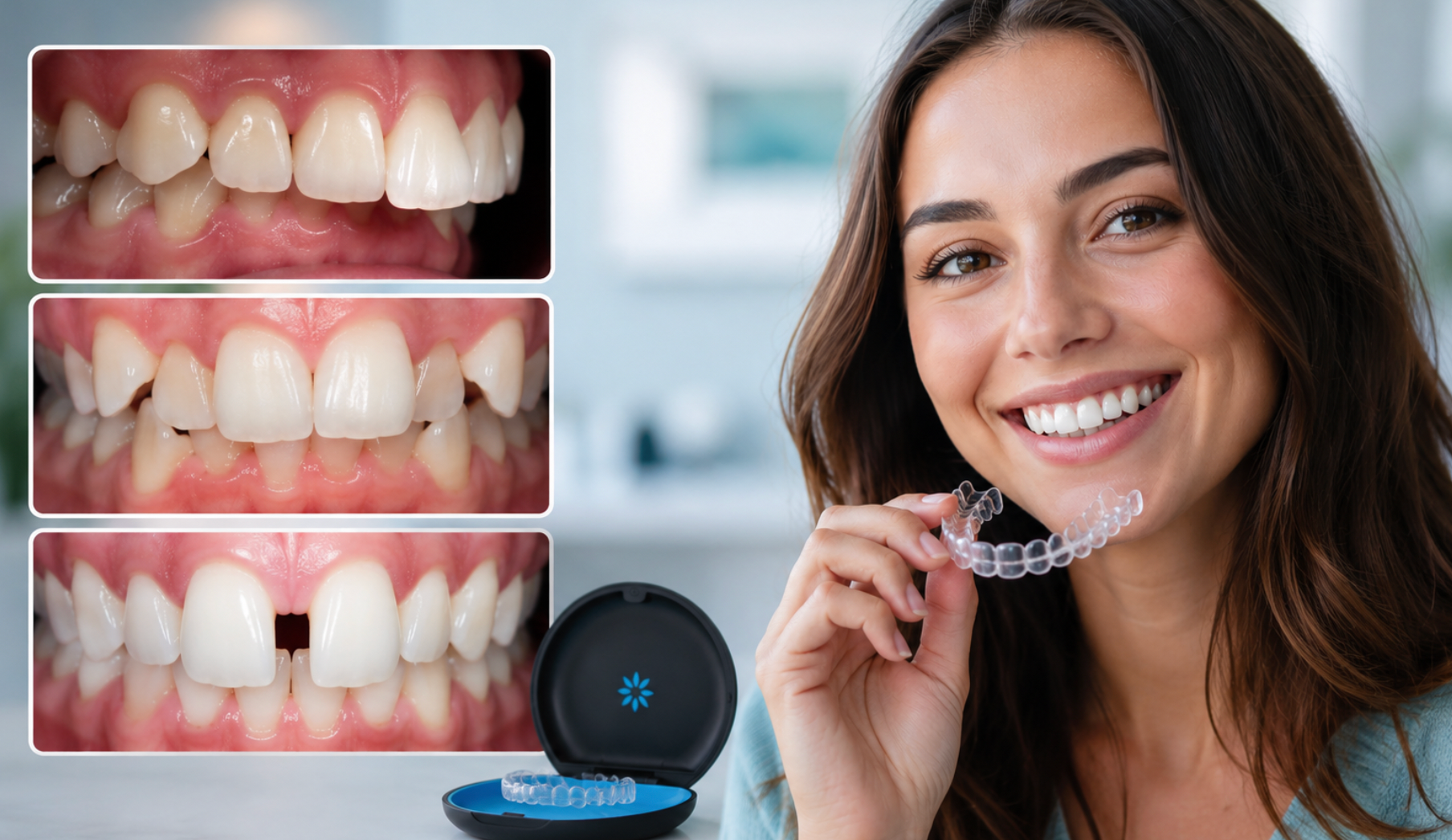
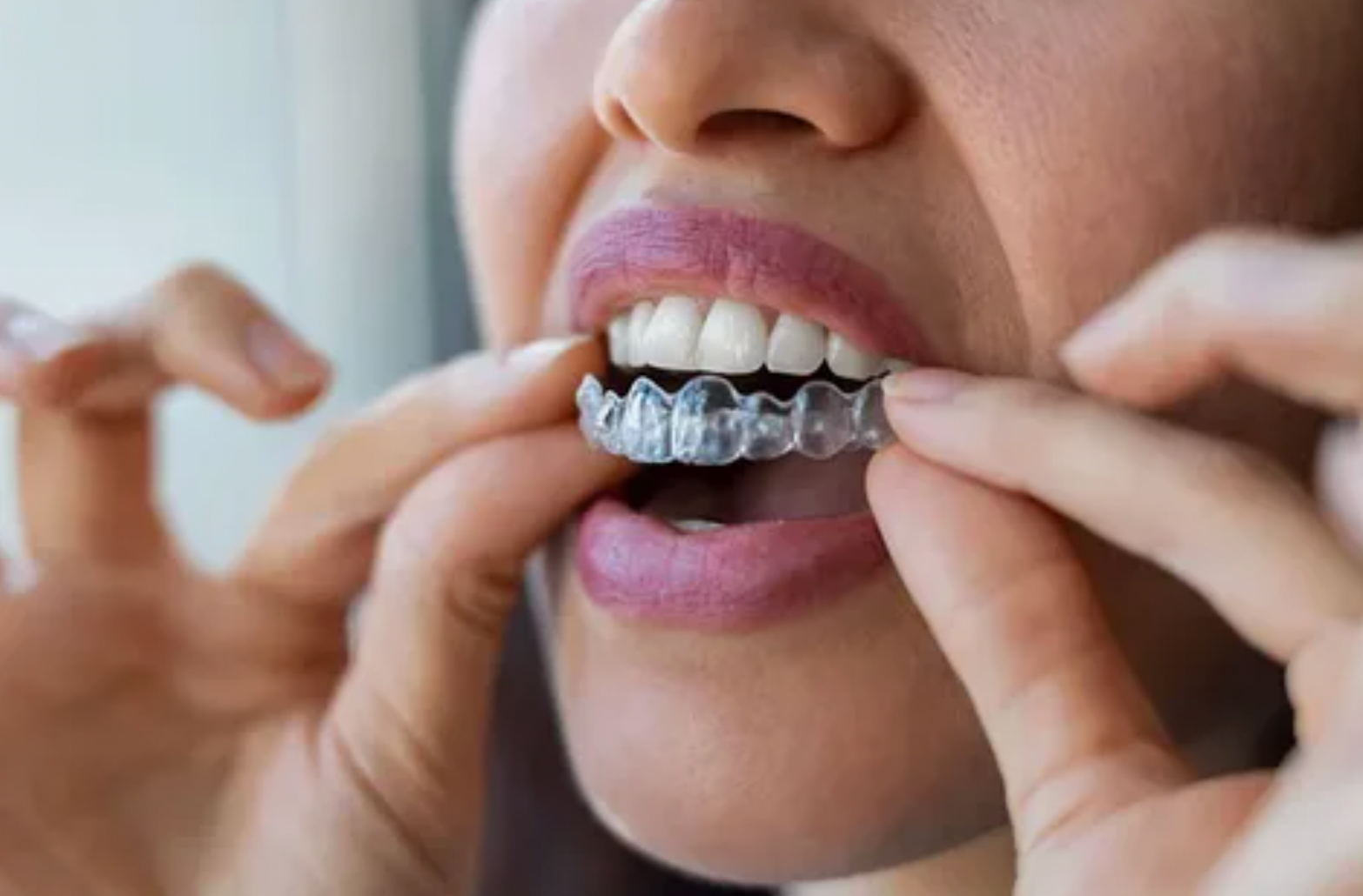
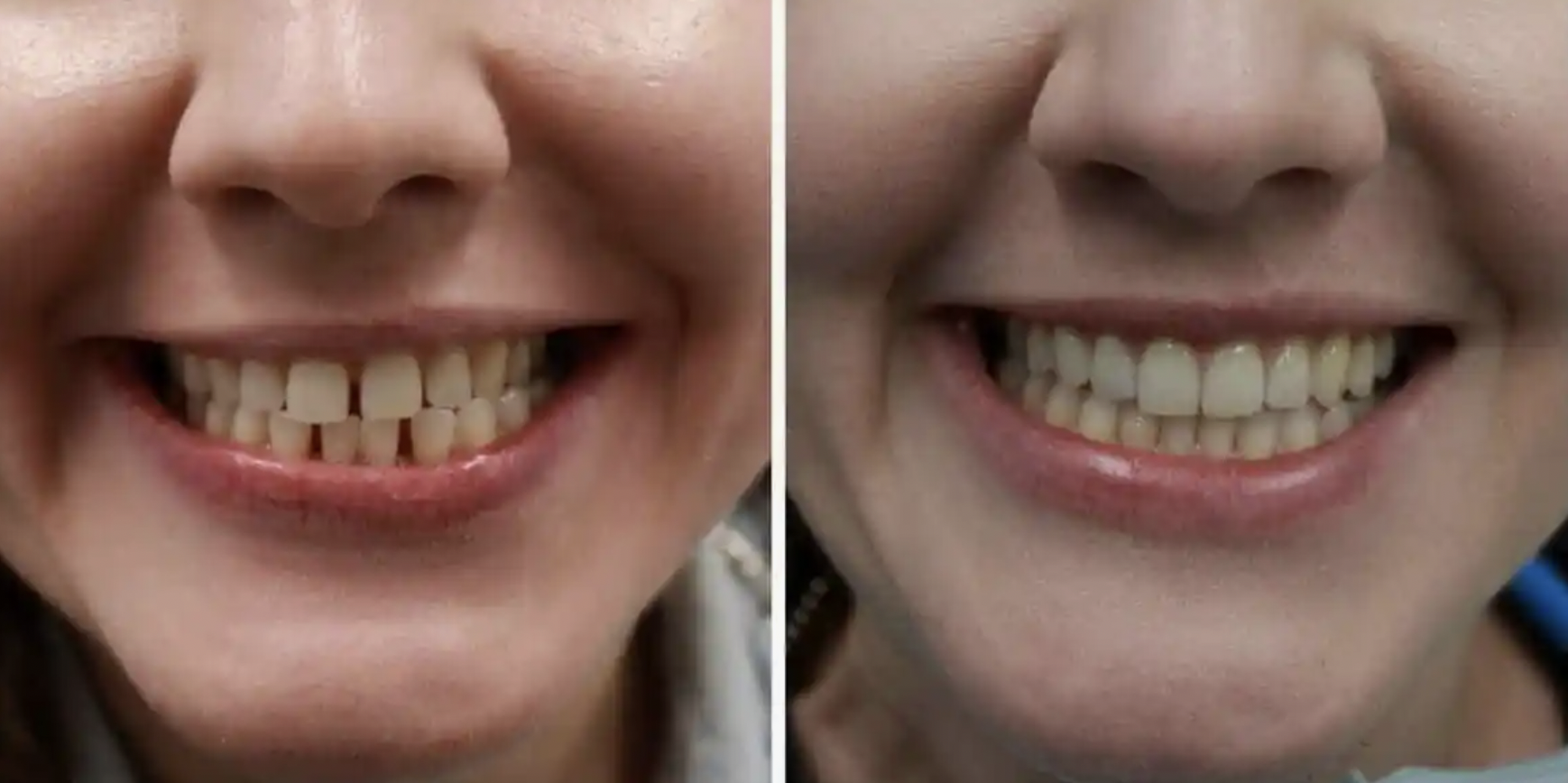
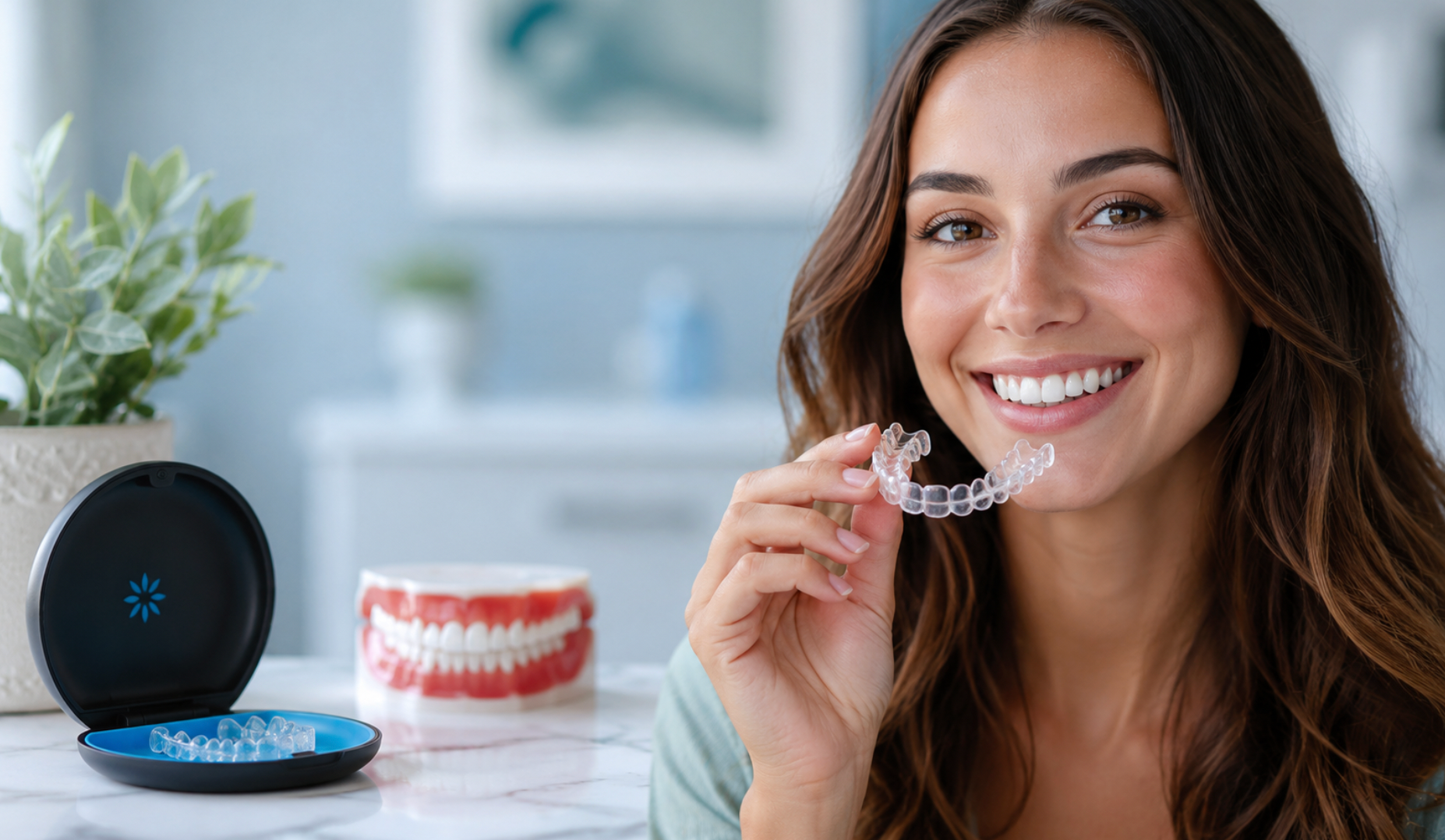
Invisalign uses a series of clear, removable aligners to address dental issues such as overbites, crowded teeth, and gaps. This guide assesses Invisalign’s capabilities and limitations. Understanding the specifics of Invisalign treatment supports informed decision making. The article explains which conditions the system treats, how it functions, its constraints, and when alternative interventions may be necessary. It also outlines the treatment process at Plano Smile Studio and criteria for suitability in Plano, TX.
What Dental Issues Can Invisalign Effectively Treat in Plano, TX?
Invisalign treats a range of alignment issues. The most common conditions managed with Invisalign include:
- Overbites: This occurs when the upper teeth overlap significantly over the lower teeth, leading to both aesthetic and functional challenges.
- Crowded Teeth: A crowding situation arises when there is insufficient space in the jaw for all teeth to fit properly, causing overlap and misalignment.
- Gaps: Spaces between teeth not only affect appearance but can also have implications for oral health if they allow for food particles to harbor bacteria.
Invisalign moves teeth gradually using a series of custom-fitted aligners. Each aligner is worn for approximately one to two weeks, and progress is monitored by a dental professional.
How Does Invisalign Correct Mild to Moderate Overbites?
Invisalign treats mild to moderate overbites through planned tooth movement. Treatment begins with a detailed digital scan to develop a tailored plan. Plano Smile Studio employs advanced technology to ensure precise planning.
The aligners apply controlled pressure to reposition teeth and reduce the overbite over time. Patients must wear aligners as directed, since inconsistent use will reduce treatment effectiveness. The process requires both clinician planning and patient adherence.
Invisalign Solutions for Crowded Teeth: What to Expect
Invisalign provides a viable option for crowded teeth. The process begins with digital scans and a personalized treatment plan.
After planning, patients receive a series of clear thermoplastic aligners custom-made for their dentition. Each aligner incrementally shifts teeth to alleviate crowding. Straighter teeth may improve oral hygiene by facilitating cleaning. Regular clinical reviews ensure progress and allow adjustments to optimize results.
What Are the Limitations of Invisalign in Correcting Overbites, Crowded Teeth, and Gaps?
Invisalign has limitations for certain complex cases. Some patients will require alternative treatments. Conditions not typically addressed adequately by Invisalign include:
- Severe Overbites: Invisalign may struggle with correcting significant overbite issues that demand complex dental interventions.
- Extreme Crowding: In cases where teeth are particularly overcrowded, traditional braces may offer more comprehensive repositioning.
- Major Tooth Extrusion: This involves moving teeth significantly out of their sockets, which may not be feasible with aligners.
Consultation with a dental professional is recommended to assess individual cases and establish realistic expectations for Invisalign outcomes.
Which Severe Overbite Cases Are Not Suitable for Invisalign?
Certain severe overbite cases are unsuitable for Invisalign. Examples include:
- Deep Bites: Cases where the upper front teeth significantly cover the lower front teeth may require a treatment approach beyond Invisalign.
- Skeletal Overbites: When the jaw structure causes an overbite, intervention might involve surgical corrections.
- Complex Dental History: Patients with previous orthodontic treatments or surgeries may present unique challenges that cannot be addressed with Invisalign alone.
A qualified dental professional can advise on the most appropriate treatment modalities for each case.
When Are Traditional Braces Recommended Over Invisalign?
Traditional braces may be recommended for specific situations, particularly severe cases. Considerations include:
- Severe Misalignment: Persistent misalignment requiring complex movements may necessitate braces for more comprehensive correction.
- Faster Results: For some patients, braces can achieve desired results quicker due to the fixed nature and mechanical leverage they provide.
- Compliance Issues: For younger patients or those who may struggle with maintaining aligner wear, braces can be an effective alternative since they are not removable.
Discussing these factors with a dental provider supports an informed decision on the most suitable treatment for the individual.
What Does the Invisalign Treatment Process at Plano Smile Studio Entail?
The Invisalign treatment process at Plano Smile Studio is structured to ensure patient comfort and clinical effectiveness. The process typically includes:
- Initial Consultation: Patients meet with Dr. John M. Hucklebridge to discuss their dental concerns and undergo a preliminary examination.
- Digital Impressions and Planning: Detailed impressions of teeth are taken using advanced 3D imaging technology, which aids in creating a precise treatment plan.
- Aligner Fitting: After fabrication of the custom aligners, patients receive their first set of aligners, with guidance on wear time and care instructions.
- Ongoing Support: Regular follow-up appointments are scheduled to monitor progress and provide necessary adjustments, ensuring alignment goals are met.
This structured approach aims to achieve optimal results and provides clinical support throughout treatment.
How Is the Invisalign Treatment Customized for Overbites, Crowding, and Gaps?
Customization enables treatment tailored to dental anatomy and clinical requirements. The primary steps involved in creating a personalized treatment plan include:
- Initial Assessment: Meticulous dental assessments are conducted to determine specific conditions like overbites, crowding, or gaps.
- Tailored Aligner Design: Using data from digital scans, each aligner is crafted to fit the unique shape of the patient’s teeth and jaw.
- Progressive Adjustments: Throughout the treatment, additional aligners are designed to incrementally move teeth into the desired position based on patient progress.
The level of personalization offered by Invisalign contributes to its effectiveness and supports predictable outcomes.
What Is the Average Duration for Correcting These Conditions with Invisalign?
Treatment duration varies with case complexity. Significant improvements are typically seen within 6 to 18 months.
Treatment length depends on the severity of the orthodontic issue, patient compliance with aligner wear, and the objectives set during consultation. Regular reviews and adjustments are essential to maintain progress. Understanding these factors helps patients plan for the expected timeline.
How Do Patients Determine Their Suitability for Invisalign in Plano, TX?
Suitability for Invisalign is based on key criteria:
- Type of Dental Issue: Patients should assess whether their dental alignment challenges align with those that Invisalign can effectively treat.
- Commitment Level: Compliance with wearing aligners for the maximum number of hours each day is crucial for effective treatment.
- Consultation with Professionals: The guidance of a dental professional is necessary, as they can provide tailored assessments and recommendations based on individual dental evaluations.
Assessing these criteria supports an informed decision on whether Invisalign is appropriate.
What Are the Eligibility Criteria for Invisalign Overbite and Crowding Correction?
Eligibility for Invisalign for overbites and crowding typically requires:
- Dental Health: Candidates must have good overall dental health, with no untreated cavities or gum disease.
- Mild to Moderate Misalignments: Individuals with mild to moderate overbites and crowding are often good candidates for Invisalign.
- Willingness to Comply: Patients must be committed to wearing their aligners as advised by their dental professionals.
Discuss these criteria with a dentist before treatment to confirm suitability and optimize outcomes.
How to Schedule a Consultation for Invisalign Assessment at Plano Smile Studio?
To schedule an Invisalign consultation at Plano Smile Studio, follow these steps:
- Contact Us: Call Plano Smile Studio at (972) 398-2550 to express interest in an Invisalign consultation.
- Prepare for Appointment: Have personal dental history available to facilitate discussion during the initial visit.
- Confirm Best Times: Find a time that fits into your schedule that allows a comprehensive examination.
This process enables patients to begin treatment planning promptly.
What Are Common Patient Questions About Invisalign for Overbites, Crowded Teeth, and Gaps?
Prospective patients commonly ask the following questions:
- What is the treatment duration?: Typically, treatment lasts between 6 to 18 months.
- Are the aligners comfortable?: Most patients find them more comfortable than traditional braces.
- How often should aligners be changed?: Aligners are typically changed every one to two weeks as part of the treatment progression.
Clear communication and a thorough understanding of treatment details assist patients in making informed decisions.
Can Invisalign Fully Close Gaps Between Teeth?
Invisalign can close gaps between teeth effectively, particularly small spaces. The aligners apply controlled pressure to move teeth closer over time.
Success depends on gap size. Larger spaces or gaps due to underlying conditions may require alternative treatments. Consultation with a dental professional will clarify Invisalign’s suitability based on individual assessment.
How Does Invisalign Compare to Braces for Plano Residents?
Comparison between Invisalign and braces involves several factors:
- Aesthetic Appeal: Invisalign aligners are clear and virtually invisible, making them a popular choice for adults seeking a discreet option.
- Comfort: Braces can sometimes cause discomfort due to their metal components and inability to be removed, whereas aligners can be removed for eating and dental hygiene.
- Treatment Approach: While braces are excellent for complex corrections, Invisalign may prove effective for mild to moderate cases and offers greater convenience.
These factors inform selection of the most appropriate orthodontic option based on clinical need and patient preference.
Frequently Asked Questions
1. What are the main differences between Invisalign and traditional braces?
Invisalign uses clear, removable aligners and is less visible than metal braces. Braces use fixed brackets and wires and may be more effective for complex corrections. Aligners allow easier oral hygiene because they can be removed for eating and cleaning.
2. How does patient compliance affect the effectiveness of Invisalign?
Compliance is essential. Aligners should be worn 20–22 hours per day and are typically changed every one to two weeks. Failure to comply can extend treatment time and reduce effectiveness. Regular check-ins help monitor adherence and progress.
3. Are there any dietary restrictions while using Invisalign?
There are no strict dietary restrictions because aligners are removable. Patients should remove aligners for meals and drinks other than water. Avoid consuming sugary or acidic beverages while wearing aligners to reduce the risk of cavities. Clean teeth before reinserting aligners.
4. How often should patients visit their dentist during Invisalign treatment?
Patients typically attend reviews every 6–8 weeks for progress monitoring, adjustments, and delivery of new aligners as required. Consistent visits support timely treatment progression and address concerns promptly.
5. Can patients with existing dental work like crowns or bridges use Invisalign?
Patients with crowns, bridges, or fillings can often use Invisalign because aligners are custom-made to accommodate existing dental work. The dentist must evaluate each case; adjustments may be necessary to avoid interference with restorations.
6. What should patients do if they lose or damage their aligners?
If aligners are lost or damaged, contact the dental provider immediately for advice. The dentist may recommend wearing the previous aligner until a replacement is produced. Do not advance to the next set without professional guidance.
7. Are there any age restrictions for Invisalign treatment?
There are no strict age limits, but Invisalign is most commonly used for teenagers and adults. For younger children, alternative treatments may be more appropriate; an orthodontist should assess dental maturity and compliance potential.
Conclusion
Invisalign provides a versatile orthodontic option for overbites, crowded teeth, and gaps. When appropriate, treatment can improve dental alignment and oral health. To determine suitability, schedule a consultation with Plano Smile Studio.

