
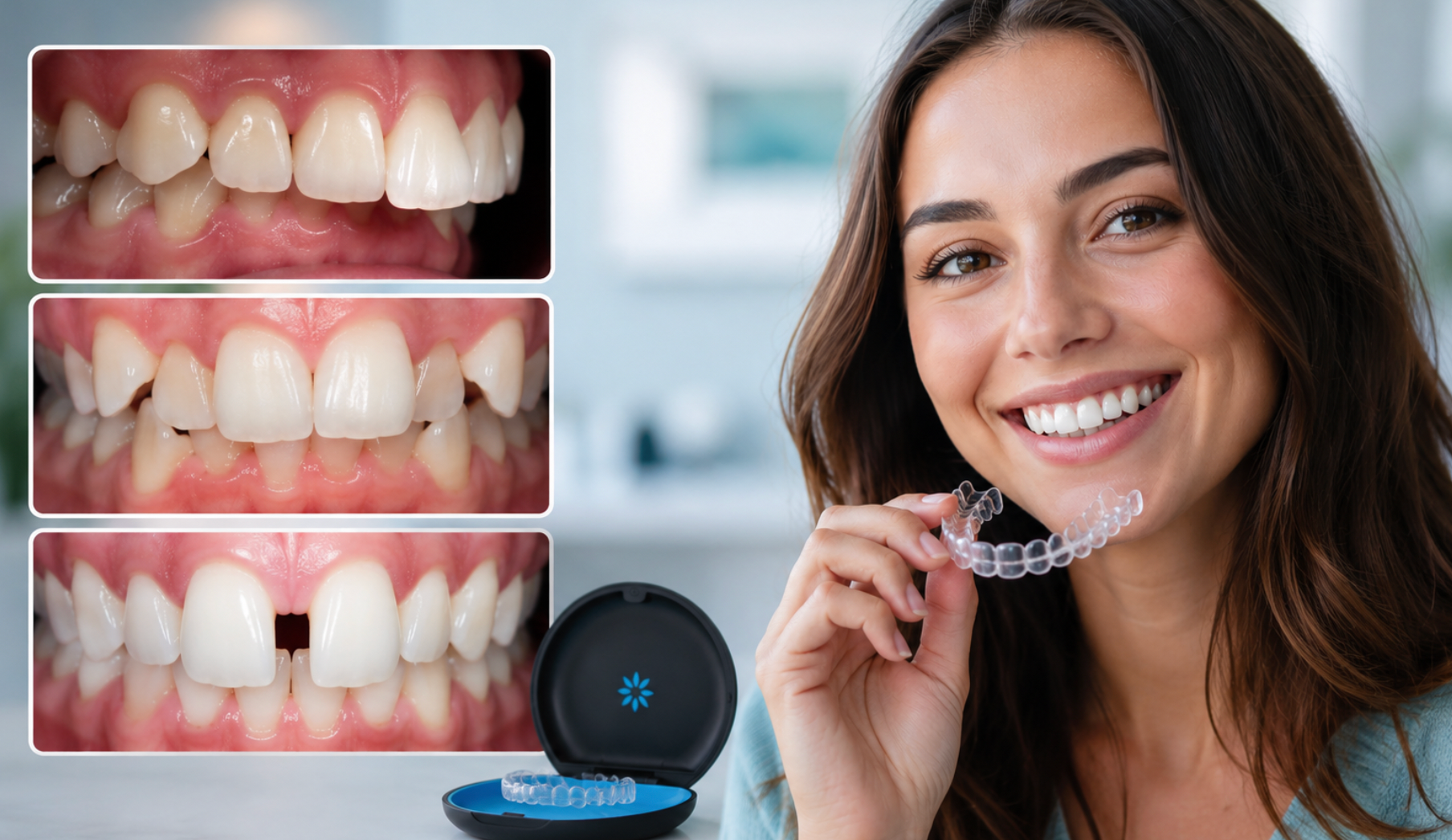
Invisalign provides an alternative to traditional braces that is discreet and designed for patient comfort. Prospective patients in Plano, Texas, commonly ask about the expected duration of treatment. A clear understanding of the timeline supports realistic expectations and informed decision making. This article summarises typical treatment lengths for Plano patients, identifies factors that affect timing, and outlines the procedural steps involved.
The typical duration is approximately 12 to 18 months, although individual cases may differ according to case complexity, patient compliance, and specific orthodontic requirements. The following sections describe the treatment phases, contrast Invisalign with traditional braces, and set expectations for patients of Plano Smile Studio, a practice that provides Invisalign services.
What Is the Average Invisalign Treatment Duration in Plano TX?
On average, Invisalign treatment in Plano requires about 12 to 18 months. Variation occurs by patient due to factors such as case complexity and adherence to prescribed wear. Patients who follow their treatment plan closely generally achieve the intended outcome more predictably. Aligners should be worn 20 to 22 hours per day to ensure timely progress.
How Many Months Does Each Invisalign Treatment Stage Typically Last?
Invisalign treatment is divided into discrete stages, each with an associated timeframe. The following list summarises typical durations for each stage:
- Initial Consultation: One appointment to assess dental health and determine suitability for Invisalign.
- Treatment Planning: It entails creating a custom treatment plan, which can take about 2-4 weeks, depending on the complexity.
- Aligner Production: The production of the aligners can take another 2-4 weeks, during which custom aligners are created based on the treatment plan.
- Active Treatment: Once the aligners are received, they are worn for about 1-2 weeks per set, with patients typically switching to a new set of aligners every 1-2 weeks for the entire duration of treatment.
- Retention Phase: After active treatment, a retention phase begins which involves wearing retainers to maintain the results, usually lasting several months to years.
This staged approach emphasises the need for patience and strict adherence to clinical recommendations, both of which materially influence total treatment time.
Which Factors Affect Invisalign Treatment Time for Plano Patients?
Multiple variables affect treatment duration beyond standard averages. Awareness of these variables assists prospective patients in planning and preparing for their treatment course.
- Case Complexity: Each patient’s dental situation is unique. Complications like severe misalignment or overcrowding may require a longer treatment duration.
- Patient Compliance: The effectiveness of Invisalign relies heavily on patient adherence to the prescribed wear schedule. Consistent use leads to timely progress.
- Regular Clinical Assessments: Appointments every 6 to 8 weeks allow the orthodontist to monitor treatment progress and make necessary adjustments, influencing the overall timeline.
Addressing these factors enables patients to set realistic expectations and to collaborate effectively with their treatment team for the best possible outcome.
What Clinical and Individual Factors Influence Treatment Length?
Several clinical and individual factors can materially affect the duration of treatment. Patients should discuss these variables with their orthodontist during consultation to receive a personalised assessment.
- Orthodontic Issues: Conditions such as severe crowding, spacing issues, or bite problems can complicate treatment and lead to longer durations.
- Adherence to Treatment Plan: Patients who diligently wear their aligners as directed tend to complete treatment on schedule compared to those who are less compliant.
- Response to Treatment: Individual responses to aligner adjustments can vary, with some patients experiencing faster movement than others based on their dental biology.
These clinical and personal variables determine the pace at which teeth respond to aligners and therefore influence the overall timeline for each patient.
How Does Invisalign Treatment Duration Compare to Traditional Braces in Plano?
Patients evaluating orthodontic options in Plano often compare typical timelines. Invisalign frequently produces comparable results in a shorter timeframe for eligible cases.
- Treatment Times: Traditional braces typically require 18 to 36 months to achieve desired outcomes, while Invisalign treatment often completes within about a year to 18 months.
- Comfort and Aesthetics: Many patients prefer Invisalign not only for its shorter treatment duration but also for the discreet appearance of clear aligners compared to metal braces.
- Personal Experiences: Some individuals report feeling more confident and comfortable during their treatment with Invisalign, further motivating them to comply with usage guidelines.
This comparison outlines potential time and comfort advantages of Invisalign relative to conventional braces for appropriate cases.
What Are the Cosmetic and Convenience Benefits Affecting Treatment Choice?
Preference for Invisalign commonly reflects its cosmetic and practical benefits. The following points summarise why patients may select clear aligners over traditional braces.
- Aesthetic Appeal: The clear aligners are virtually invisible, making them a preferred option for adults and teens concerned about the visual aspect of orthodontic treatment.
- Hygiene Convenience: Unlike traditional braces, which can complicate oral hygiene, Invisalign aligners are removable. Patients can continue their regular brushing and flossing routines without obstruction.
- Enhanced Comfort: The smooth surfaces of aligners are less likely to cause irritation to the cheeks and gums compared to metal brackets and wires.
These attributes contribute to Invisalign’s appeal as a less intrusive and more visually discreet orthodontic option.
What Are the Detailed Steps in the Invisalign Process for Plano TX Patients?
The Invisalign protocol comprises defined steps that guide a patient from initial evaluation to completion. Familiarity with these steps clarifies expectations and responsibilities throughout treatment.
- Initial Consultation: The process begins with an evaluation at Plano Smile Studio, where the orthodontic team assesses the patient’s oral health and suitability for Invisalign.
- Creating a Custom Plan: Utilizing digital imaging and 3D technology, treatment plans are crafted to map out the exact movements of teeth throughout the process.
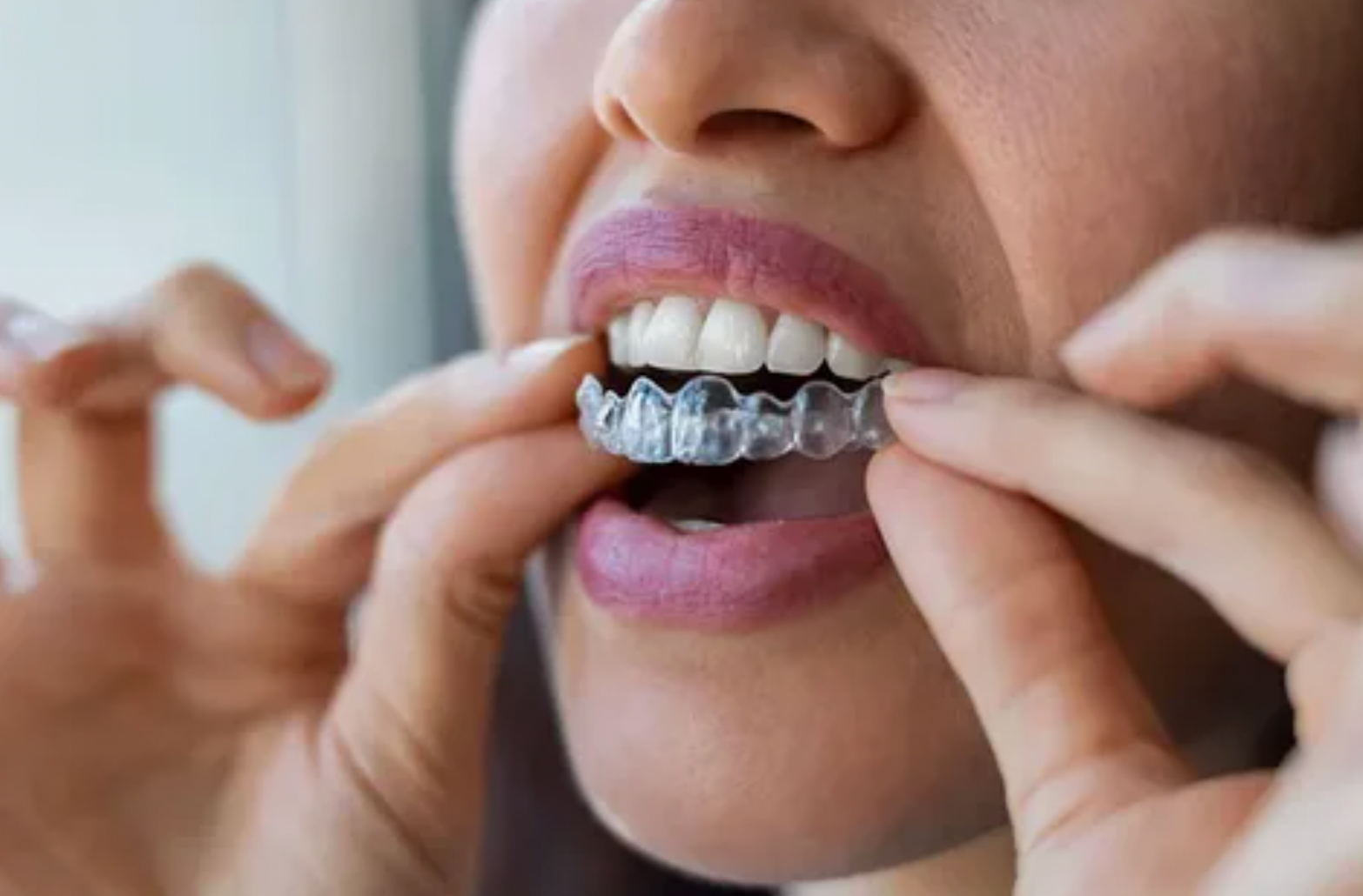
- Receiving Aligners: Patients will receive sets of aligners specific to their treatment plan, typically made from a clear thermoplastic material.
- Ongoing Adjustments: As patients move through their aligner sets, regular check-ups ensure that the teeth are progressing as planned, allowing for necessary adjustments.
How Are Aligners Staged and Adjusted Throughout Treatment?
Aligners are implemented in a planned sequence to move teeth incrementally toward target positions. The staged approach standardises adjustments and monitoring across the treatment period.
- Wearing Aligners: Patients are instructed to wear each aligner for about one to two weeks. The timing depends on the specific movements required.
- Scheduled Check-ins: Regular visits every 6 to 8 weeks are crucial for assessing progress and determining the next steps in treatment.
- Transitioning to New Aligners: Patients may progress through multiple aligners over the course of their treatment, receiving new sets as they reach predetermined goals.
The staged regimen ensures systematic tooth movement and promotes efficient progression through the prescribed treatment plan.
What Results Can Plano Smile Studio Patients Expect Within Typical Invisalign Timeframes?
Plano Smile Studio patients can expect observable improvements within standard Invisalign timelines when they adhere to clinical guidance. Common outcomes include:
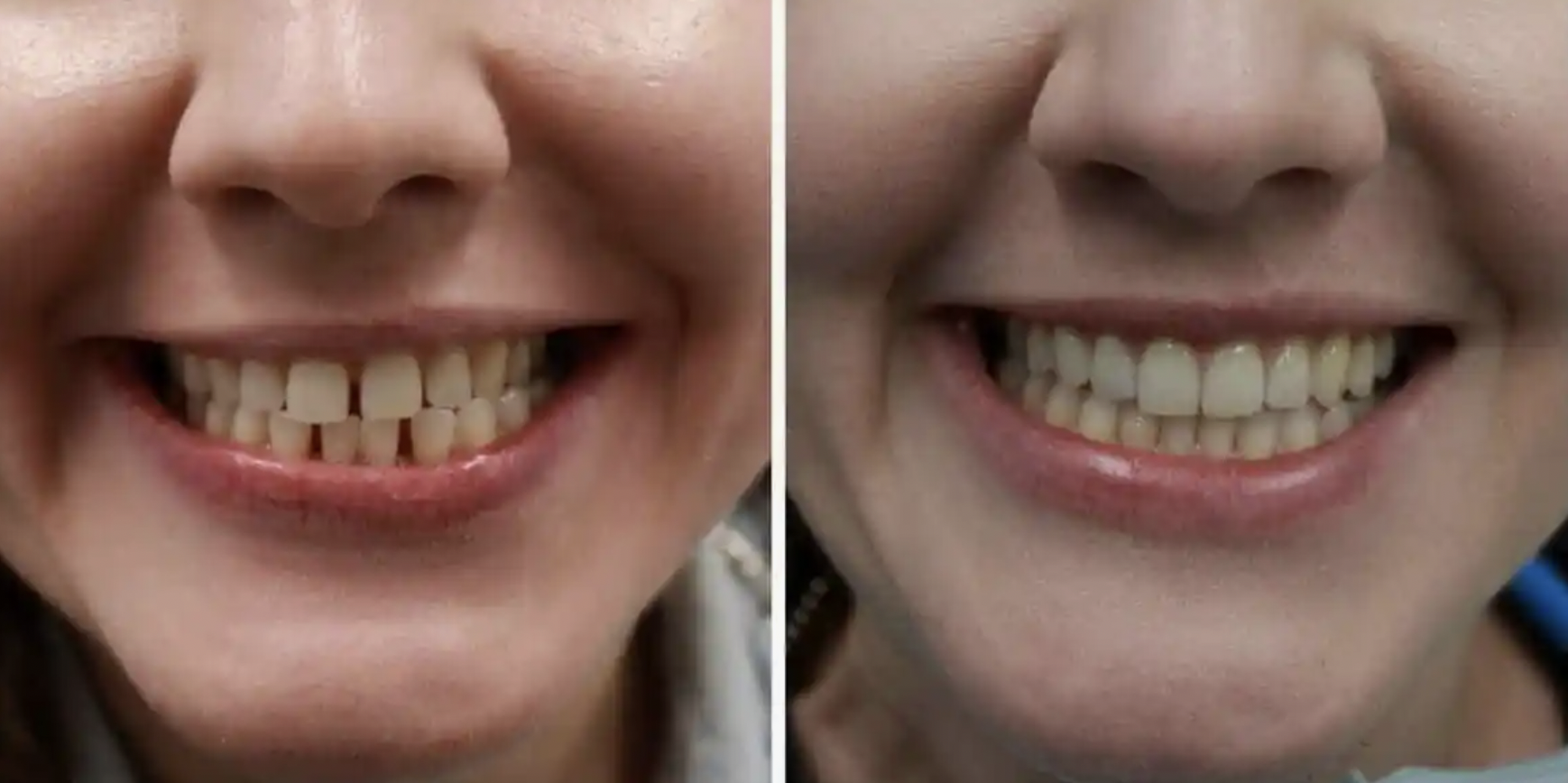
- Visible Tooth Movement: Many patients notice changes in their smiles within just a few months of beginning their treatment.
- Enhanced Comfort: As the treatment progresses, the gradual adjustments often translate to fewer discomforts compared to traditional braces.
- Patient Satisfaction: Feedback from Plano Smile Studio patients frequently highlights a high level of satisfaction with both the process and the end results.
Consistent adherence to the treatment regimen supports these outcomes and reinforces continued patient engagement.
What Role Do Retention and Follow-Up Play in Long-Term Results?
Retention is essential after active treatment to maintain alignment gains. Use of retainers as directed prevents relapse and preserves treatment results over time.
- Types of Retainers: Patients may receive removable retainers or permanent retainers, depending on individual needs and orthodontist recommendations.
- Follow-Up Appointments: Regular appointments post-treatment help monitor any shifts in tooth position and allow for timely intervention if adjustments are needed.
The retention phase is critical to securing the long-term stability of the improvements achieved during Invisalign treatment.
What Common Questions Do Plano Patients Have About Invisalign Treatment Duration?
Prospective Invisalign patients frequently raise questions about wear schedules, missed wear time, and the role of follow-up appointments. Clear answers enable informed consent and planning.
- How often do I need to wear my aligners?: It is essential to wear aligners for 20-22 hours a day for the best results.
- What if I miss wearing my aligners?: Missing wear time can prolong treatment duration. It is best to adhere strictly to the schedule.
- Why are regular check-ups necessary?: Check-ups every 6 to 8 weeks are critical for tracking progress and making necessary adjustments to the treatment plan.
Addressing these items in advance supports patient readiness and contributes to more predictable treatment timelines.
How Often Must Patients Wear and Change Aligners for Optimal Timing?
Adherence to the prescribed wear and change schedule is a primary determinant of treatment efficiency. The following points summarise standard practice:
- Aligner Wear: Aligners should be worn for a minimum of 20 hours daily to ensure they exert effective gentle pressure on teeth.
- Changing Aligners: New sets of aligners are typically changed every 1-2 weeks, depending on individual treatment plans, maximizing alignment progress during each phase.
Maintaining this routine minimises delays and supports consistent progression through the treatment plan.
Frequently Asked Questions
What happens during the initial consultation for Invisalign treatment?
During the initial consultation, the orthodontist will evaluate your dental health, discuss your goals, and determine if Invisalign is suitable for you. They will perform a thorough examination that may include digital scans or x-rays of your teeth. The collected data is used to develop a customised treatment plan tailored to specific clinical needs. The orthodontist will also explain the process, expected timelines, and anticipated costs so that you have a clear understanding of the proposed treatment.
Can Invisalign be used for all orthodontic issues?
Invisalign is effective for a range of mild to moderate alignment issues, including crowding, spacing, and minor bite corrections. Complex cases, such as severe overbites or underbites, may require conventional braces or alternative interventions to achieve optimal results. An orthodontic consultation is necessary to determine the most appropriate treatment option for each clinical scenario.
Are there any dietary restrictions while using Invisalign?
A primary advantage of Invisalign is that aligners are removable, which permits patients to maintain their normal diet. Aligners should be removed before eating or drinking anything other than water to avoid staining or damage. Patients should practise thorough oral hygiene after meals before reinserting aligners to preserve hygiene and treatment effectiveness.
What if I lose or break my Invisalign aligners?
If an aligner is lost or damaged, contact your orthodontist promptly. The clinician will advise whether to use the previous aligner or proceed with an alternative set while a replacement is arranged. It is not advisable to skip aligners or advance without professional guidance, as doing so can impede treatment progress.
How do I take care of my Invisalign aligners?
Proper care is important for hygiene and aligner integrity. Clean aligners daily by brushing them gently with a toothbrush and rinsing in lukewarm water. Avoid hot water, which can deform the plastic. Use approved cleaning solutions or products designed for aligners when recommended. Store aligners in their case when not in use, and remove them before eating or drinking anything other than water.
How do I know if my treatment is on track?
Regular orthodontic appointments every 6 to 8 weeks are necessary to verify progress. During these visits, the orthodontist assesses tooth movement and adjusts the plan if required. Observable changes in alignment and improved comfort are additional indicators that treatment is progressing as intended. Consistent wear of aligners according to instructions generally correlates with expected progress.
Can I switch to the next set of aligners earlier than planned?
Advancing to the next aligner set earlier than scheduled is not recommended without approval from your orthodontist. Each aligner is calibrated to apply targeted pressure at a specific stage; premature changes can disrupt the treatment sequence or cause discomfort. If you believe your teeth are moving faster, discuss this at your next appointment for professional guidance.
Conclusion
Invisalign in Plano offers a combination of efficiency, comfort, and aesthetic advantage for appropriate candidates, with a typical treatment window of 12 to 18 months. Adherence to the prescribed regimen and communication with the orthodontist enhance the likelihood of achieving the planned outcome. To begin evaluation and receive a personalised treatment estimate, schedule a consultation with Plano Smile Studio.

