
Recent Posts
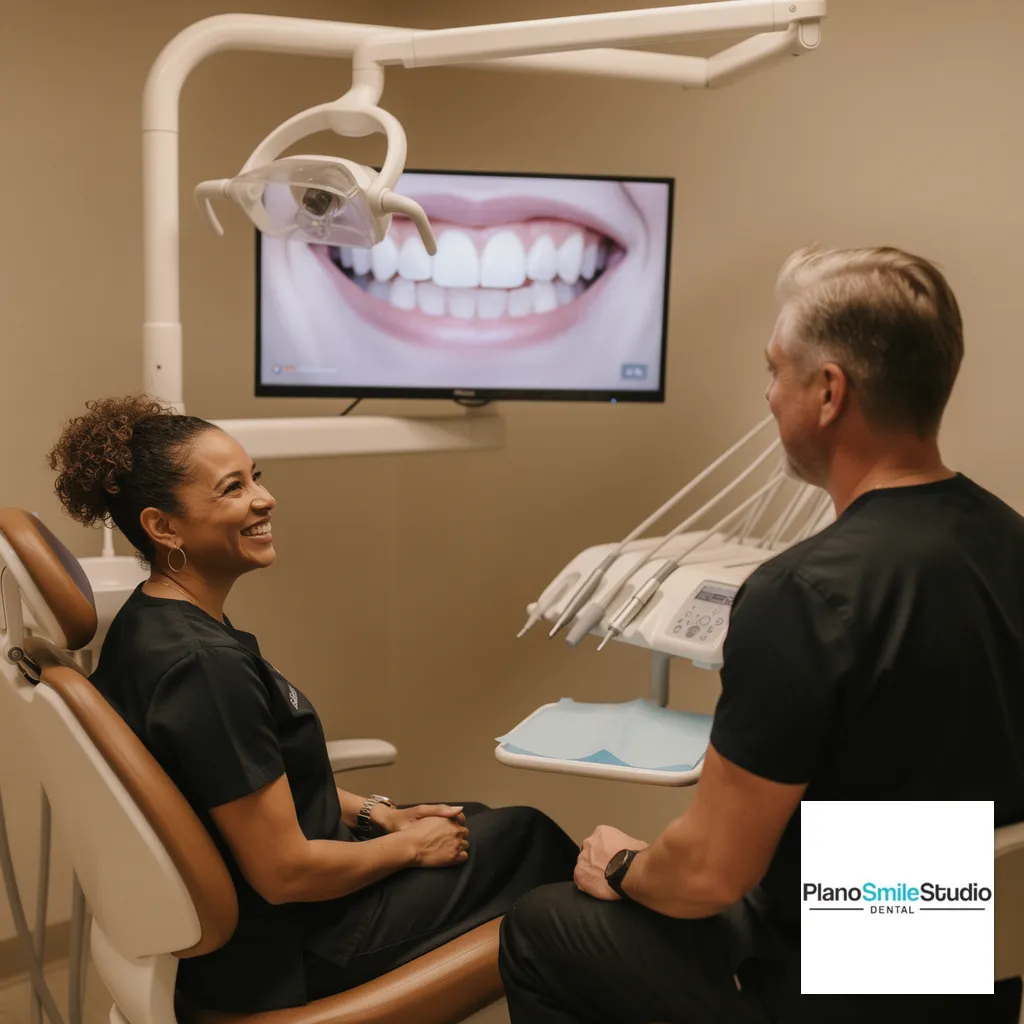
Dr. John M. Hucklebridge, your Plano TX cosmetic dentist, can use a variety of tools and techniques to enhance your smile. One of the most basic, yet effective, of those is dental bonding.
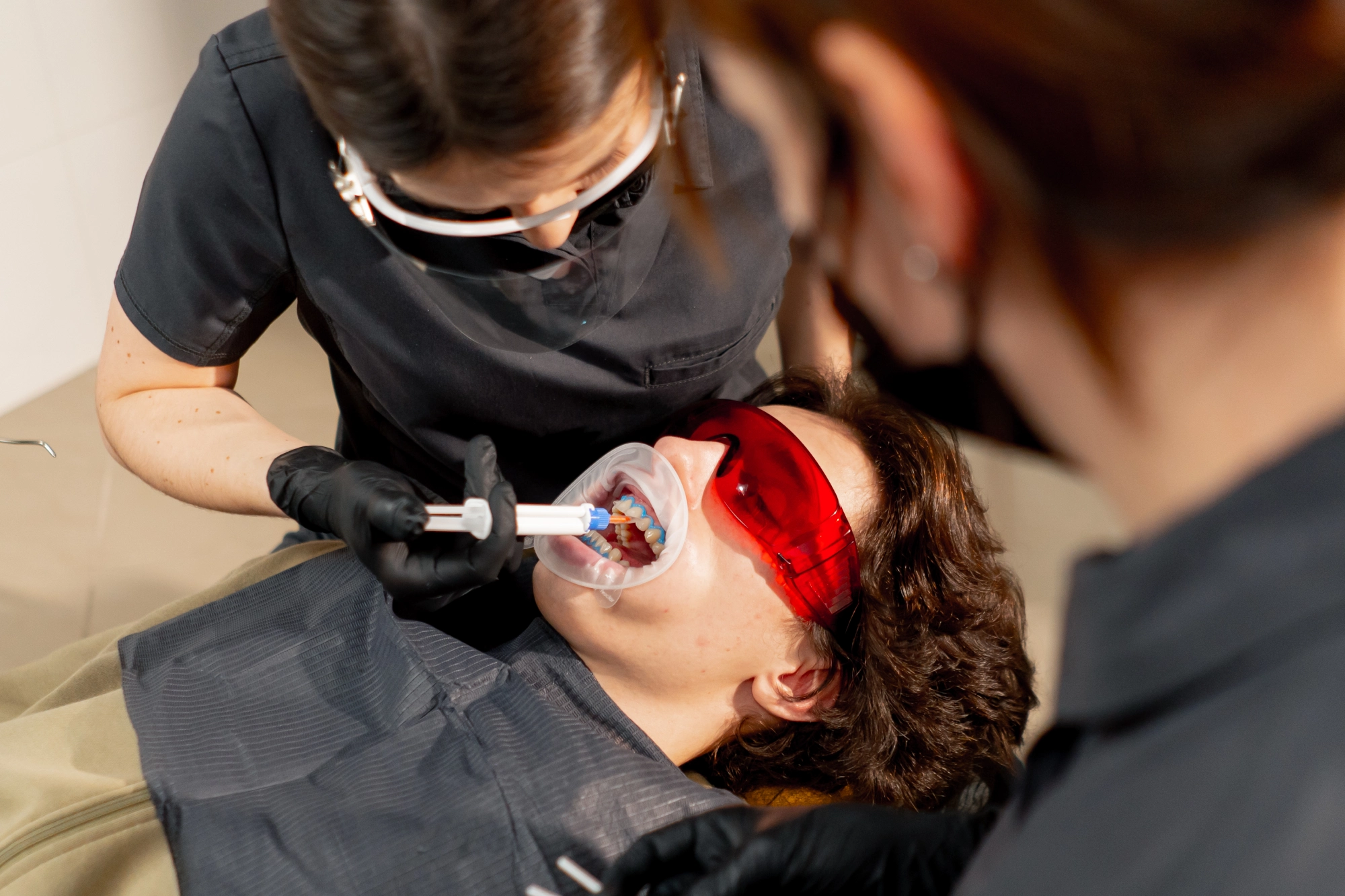
Dental bonding is one of the simplest and most economical restorations available. The process begins with a small amount of composite resin, which is made of plastic materials. That resin is then hardened or “bonded†to the tooth using a special light.
Chips and cracks in the teeth can be concealed through bonding. A cosmetic dentist may also rely on bonding to fill in gaps or alter the shape of an unusual tooth. Bonding can even be used to repair tooth decay or protect dental roots exposed by receding gums.
To prepare the teeth for dental bonding, the cosmetic dentist will first roughen the tooth and apply a conditioning liquid that helps the resin stick to the tooth. Then, the dentist selects a shade of resin that blends in with the patient’s smile and massages it into the desired shape.
This procedure can be completed quickly. In most cases, bonding is finished within an hour or so. Bonding doesn’t require an outside laboratory to craft the restorations, so it can be done in a single office visit.
The resin is not as strong as enamel, so bonding may not be appropriate for tooth surfaces that are exposed to significant chewing forces. It’s important to talk with your cosmetic dentist to determine which options will meet your particular needs.
Nonetheless, if you properly care for your teeth, your dental bonding can last for up to a decade before it needs to be replaced. If you avoid bad habits like biting your fingernails or chewing hard objects, you’ll help to extend the life of your dental bonding.
Dental bonding is particularly appealing to patients who hope to preserve as much of their natural tooth material as possible. Other tooth restorations, such as veneers and crowns, often require the patient to sacrifice healthy enamel, but that step is unnecessary with bonding.
​
To learn more about dental bonding and to schedule your consultation, please contact Plano Smile Studio at 972.398.2550.

