
Recent Posts
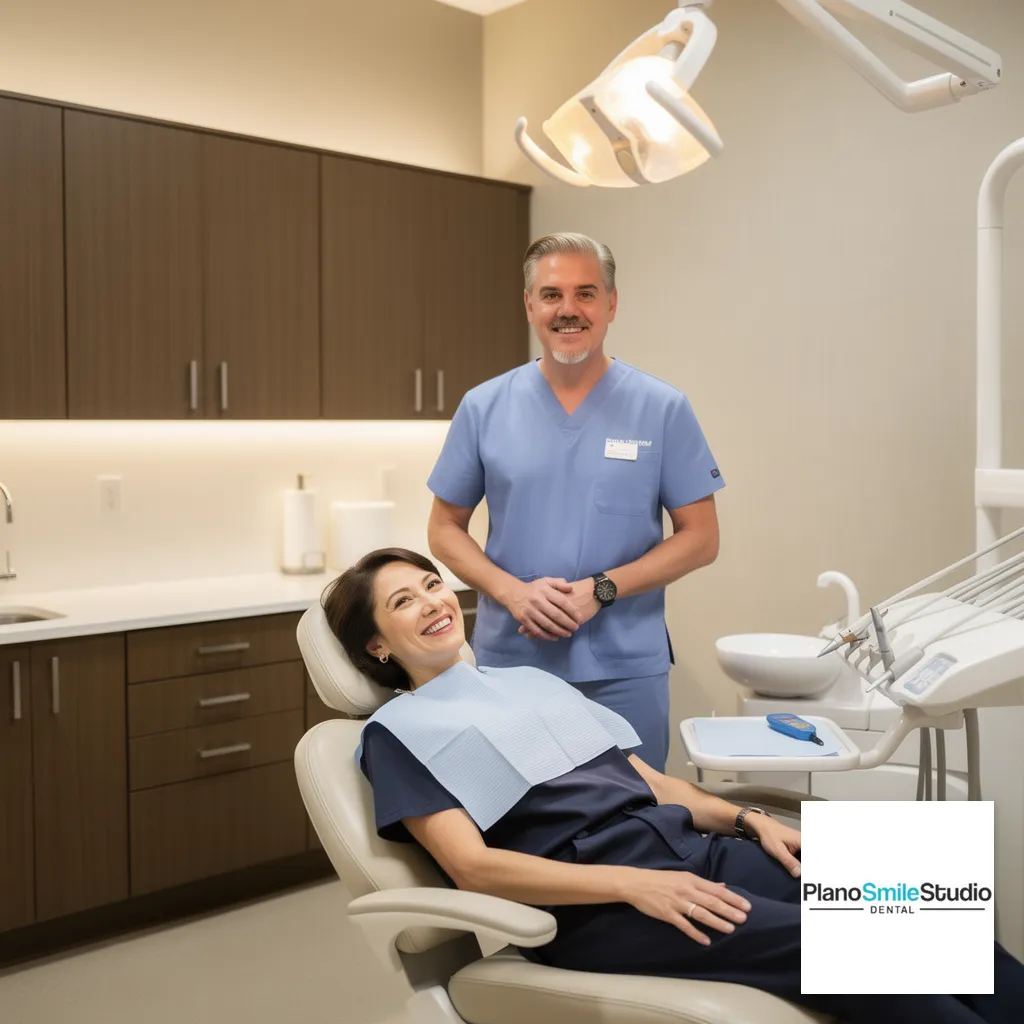
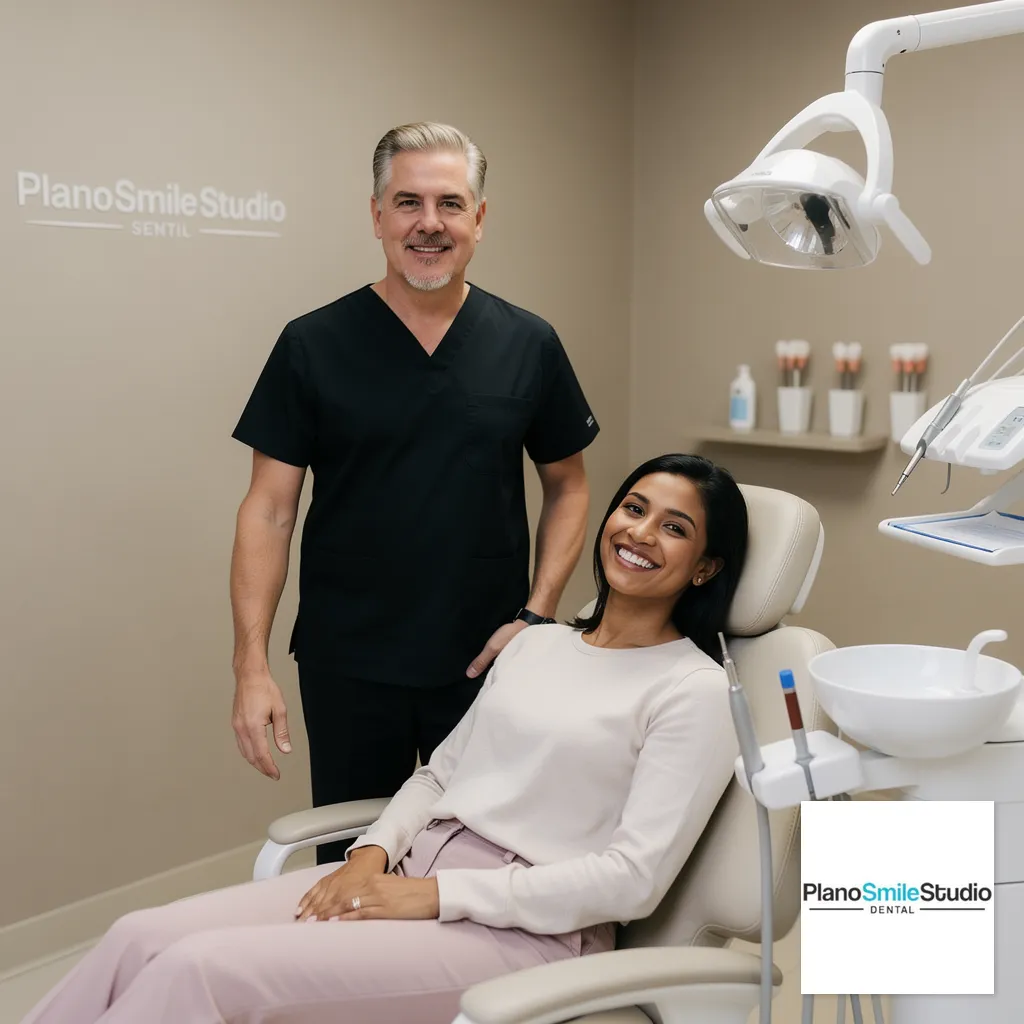
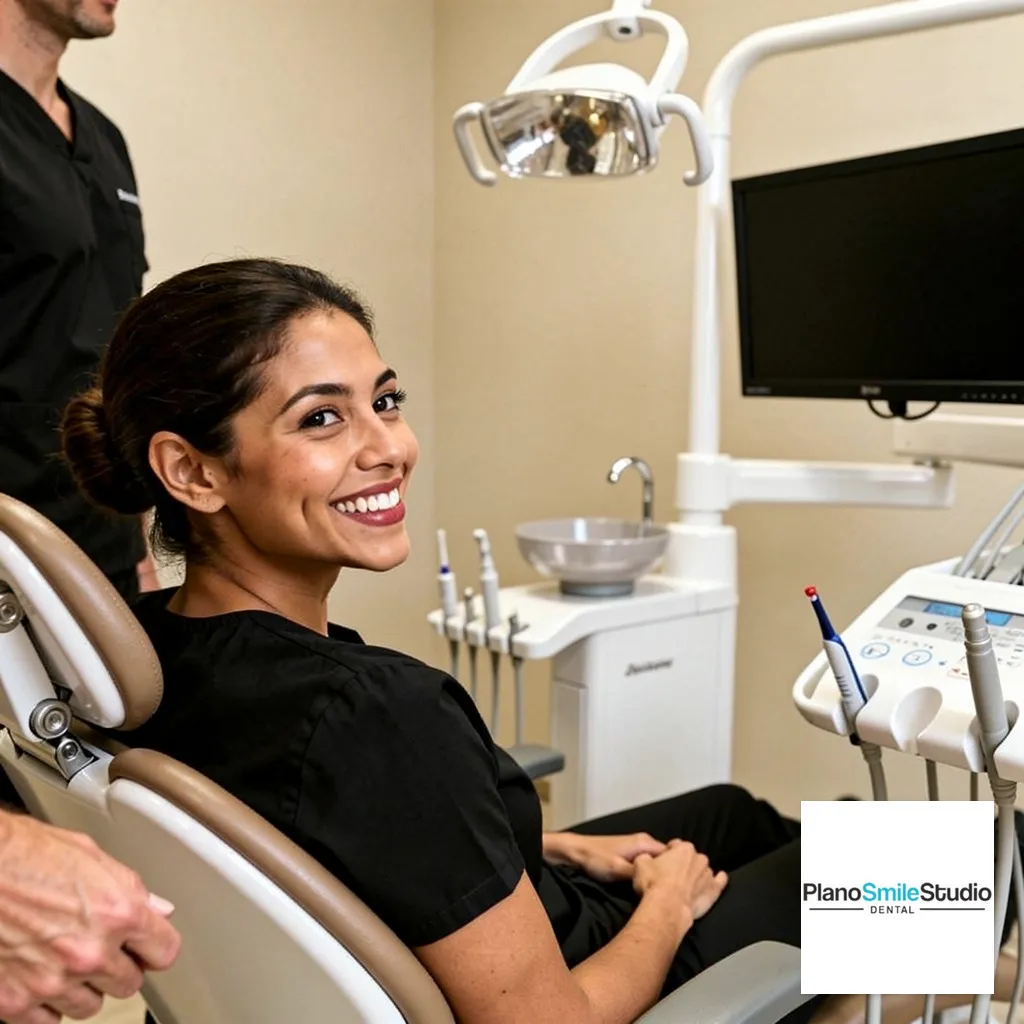
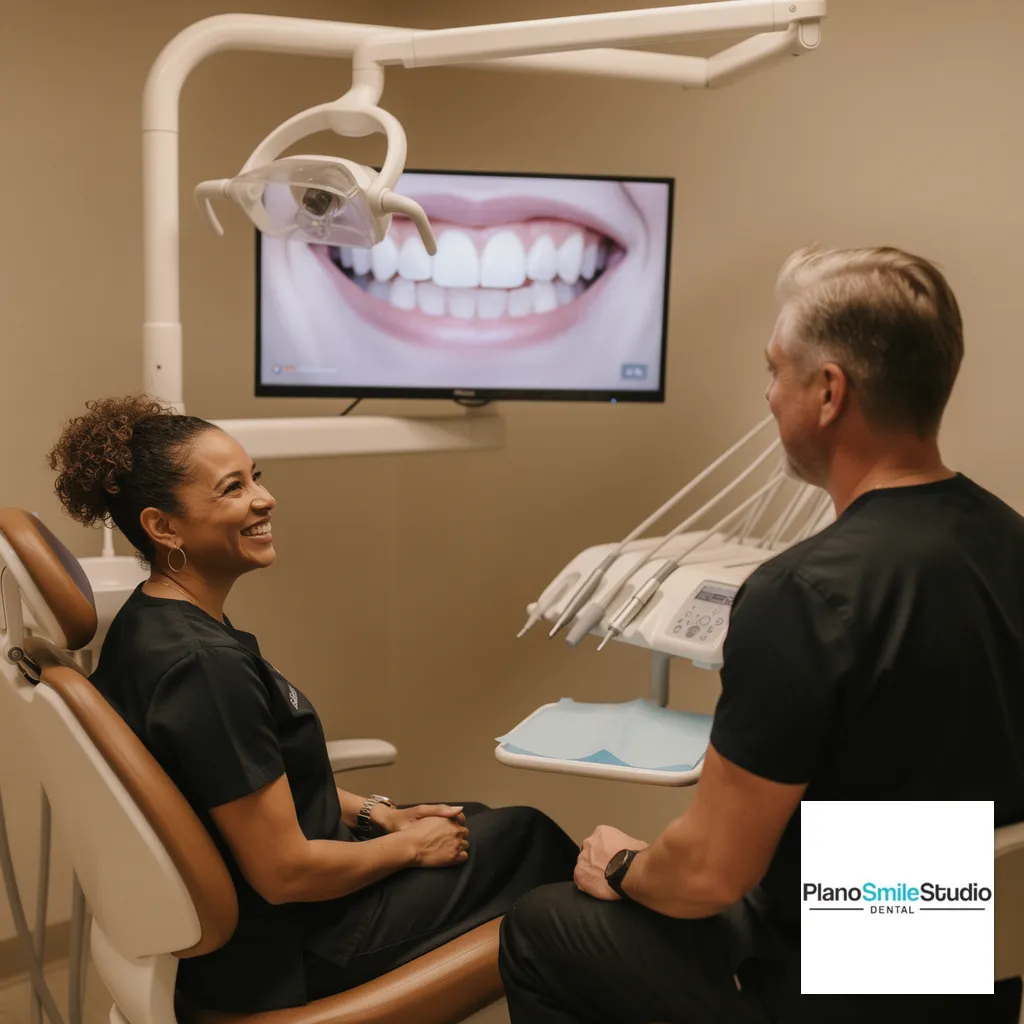
Computer-guided dental implant surgery uses advanced imaging and digital planning to improve placement accuracy, reduce tissue trauma, and shorten recovery. Patients often experience less postoperative pain and a quicker return to normal activities. This article outlines techniques, outcomes, comparisons with traditional methods, the role of 3D imaging, and reasons to consider Plano Smile Studio for care.
Techniques and Advantages:
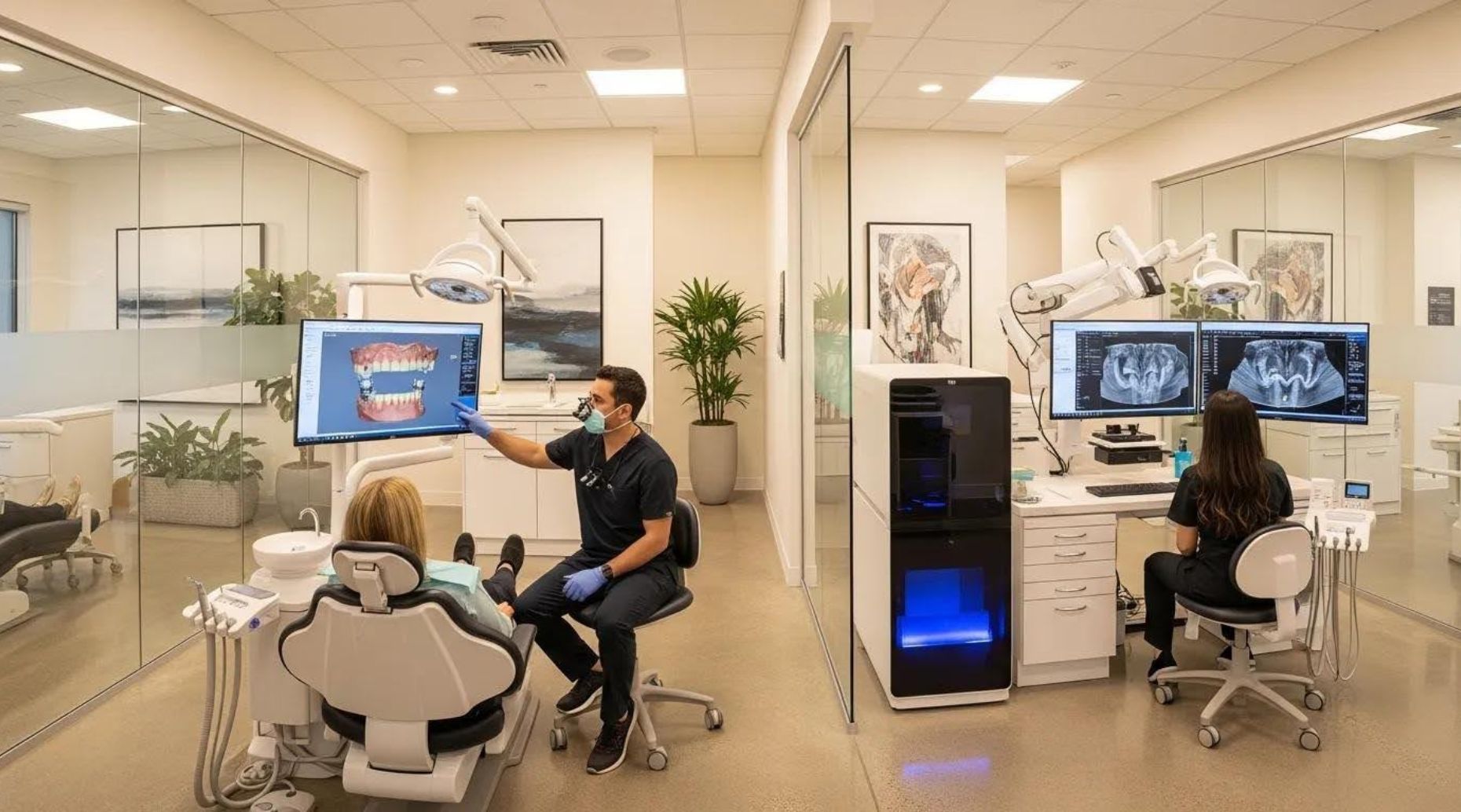
Digital planning and guided surgery give clinicians a precise map of the jaw and nearby anatomy, enabling predictable, minimally invasive procedures.
- Accurate Visualization: Detailed imaging reveals bone and anatomical landmarks for careful planning.
- Reduced Healing Time: Less tissue disruption supports faster recovery.
- Less Invasive Procedures: Guided systems allow smaller incisions and more targeted work, lowering postoperative pain.
These improvements translate to more consistent clinical results and greater patient comfort.
Research further demonstrates that digital implant planning and guided surgery increase procedural precision and predictability.
Digital Implant Planning & Guided Surgery Benefits
Contemporary oral implantology and implant prosthetics rely on comprehensive diagnostics and precise planning to achieve the intended outcome and satisfy both patient and clinician expectations. In this framework, digital implant planning and guided implant surgery based on three-dimensional radiographic data and digitised intraoral surfaces provide critical information and enable backward planning to optimise implantological and prosthetic results. These methods improve the safety and efficiency of the surgical procedure and render the restorative outcome more predictable in terms of function, biology and aesthetics.
Digital implant planning and guided implant surgery–workflow and reliability, 2019
Patient Outcomes:
Compared with traditional techniques, computer-guided implant patients commonly report better comfort, reliable osseointegration, and faster recovery.
- Less Discomfort: Precise placement minimizes tissue trauma and pain.
- High Success Rate: Accurate positioning supports implant integration.
- Quick Recovery: Minimally invasive approaches speed return to normal activity.
These outcomes support the clinical value of guided workflows.
Comparisons to Traditional Methods:
Guided surgery increases placement precision and predictability and is usually more comfortable for patients than freehand methods.
- Precision of Guided Surgery: Better alignment and safer implant trajectories.
- Predictable Outcomes: Reduced variation and fewer surprises during surgery.
- Comfort for Patients: Smaller wounds and focused procedures reduce pain.
Integrating digital tools improves both surgical control and patient experience.
What Are the Benefits of Computer-Guided Dental Implants for Pain Reduction?
By improving accuracy and reducing unnecessary tissue handling, guided implants directly lower intraoperative and postoperative pain.
- Minimized Incisions: Smaller openings mean less trauma.
- Effective Anesthesia: Targeted planning helps optimize anesthetic delivery.
- High Patient Satisfaction: Less pain and faster recovery increase satisfaction.
Pain Reduction:
Precise imaging and planning enable targeted anesthesia and minimize tissue disruption, which lowers discomfort and supports smoother healing.
Specific Pain Management Techniques:
Common strategies used with guided surgery focus on comfort and recovery.
- Sedation Options: Several sedation levels are available to suit patient needs.
- Post-operative Care: Clear instructions and follow-up help control pain and swelling.
- Quick Recovery: Less invasive techniques reduce downtime.
Patient Outcomes:
Patient reports typically show lower pain and a faster return to routine activities compared with traditional methods.
Comparison to Traditional Methods:
Computer-guided techniques generally yield lower reported pain and shorter recovery when used in appropriate cases.
Overall Benefits:
Benefits extend beyond pain reduction to include efficiency, comfort, and favorable long-term results with proper maintenance.
How Does Precise Dental Implant Placement Minimize Patient Discomfort?
Accurate mapping of bone and nerves avoids unnecessary tissue trauma and permits targeted surgical steps, reducing both intraoperative strain and postoperative soreness.
Which Pain Management Techniques Are Used in Computer-Guided Implant Surgery?
Teams combine sedation options, local anesthesia, and structured post-operative plans to keep patients comfortable during and after surgery.
- Sedation Dentistry : Options help anxious patients relax.
- Post-operative Care : Instructions, medications, and follow-up reduce complications.
- Quick Recovery : Minimal invasiveness shortens healing time.
These coordinated measures improve the overall treatment experience.
How Does 3D CT Scan Technology Enhance Implant Surgery Accuracy in Plano?
3D CT scans provide volumetric detail of bone, nerves, and sinuses, enabling safer, more accurate implant planning and placement.
What Role Does 3D Dental Imaging Play in Planning Precise Implant Placement?
3D imaging measures anatomy precisely, guiding implant size, angulation, and position to reduce complications and improve outcomes.
How Does Digital Planning Improve Surgical Outcomes and Patient Comfort?
Digital workflows allow pre-planned guides, reduce intraoperative decision-making, and limit tissue handling, which improves accuracy and comfort.
What Is the Typical Recovery Time After Computer-Guided Dental Implant Surgery?
Recovery time for dental implants in Plano TX varies, but many patients resume normal activities within a few days to a week when procedures are straightforward and post-op instructions are followed.
How Does Minimally Invasive Surgery Shorten Dental Implant Recovery Time?
Minimally invasive techniques reduce tissue disturbance, lowering swelling and pain and enabling faster healing compared with more extensive surgery.
What Post-Operative Care Tips Support Faster Healing?
Follow these practical steps to support recovery after implant surgery.
- Rest and Relaxation: Rest supports healing.
- Diet Recommendations: Soft foods ease early recovery.
- Oral Hygiene Importance: Gentle cleaning prevents infection.
Adhering to these tips helps reduce complications and speed recovery.
Why Choose Plano Smile Studio for Computer-Guided Dental Implant Surgery?
Choosing Plano Smile Studio connects patients with clinicians experienced in digital planning and guided workflows, emphasizing comfort and predictable outcomes.
How Does Plano Smile Studio’s Technology Improve Patient Outcomes?
The practice uses advanced imaging and digital planning to enhance precision, reduce healing times, and lower postoperative discomfort.
What Do Patient Testimonials Reveal About Pain and Recovery Experiences?
Testimonials report lower-than-expected pain and attentive care, underscoring the benefits of a technology-driven approach at Plano Smile Studio.
Frequently Asked Questions
What should I expect during the consultation for computer-guided dental implant surgery?
Expect an exam, medical-history review, and 3D imaging as needed. Your clinician will explain the proposed plan, recovery expectations, and answer questions.
Are there any risks associated with computer-guided dental implant surgery?
Risks are similar to other oral surgeries (infection, nerve effects, implant failure), but guided planning reduces many avoidable risks. Discuss specifics with your clinician.
How can I prepare for my computer-guided dental implant surgery?
Follow clinician instructions: avoid certain medications, fast if required, arrange transport, and maintain good oral hygiene. Discuss sedation if anxious.
What can I do to manage pain after the surgery?
Follow post-op instructions, use prescribed or recommended analgesics, control swelling with ice, eat soft foods, stay hydrated, and rest. Contact the practice for severe or unexpected symptoms.
How does the cost of computer-guided dental implants compare to traditional implants?
Costs may be higher due to imaging and planning, but many patients find the benefits—reduced pain, faster recovery, and greater accuracy—worth the investment. Check insurance and financing options.
How long do computer-guided dental implants last?
With proper oral hygiene and regular check-ups, implants are a long-term solution and can last many years. Longevity depends on maintenance and lifestyle factors.
Conclusion
Computer-guided dental implant surgery combines advanced imaging and digital planning to improve accuracy, reduce pain, and speed recovery. Selecting a specialized practice such as Plano Smile Studio offers access to experienced clinicians and modern technology—schedule a consultation to determine if this approach is right for you.

