
Recent Posts
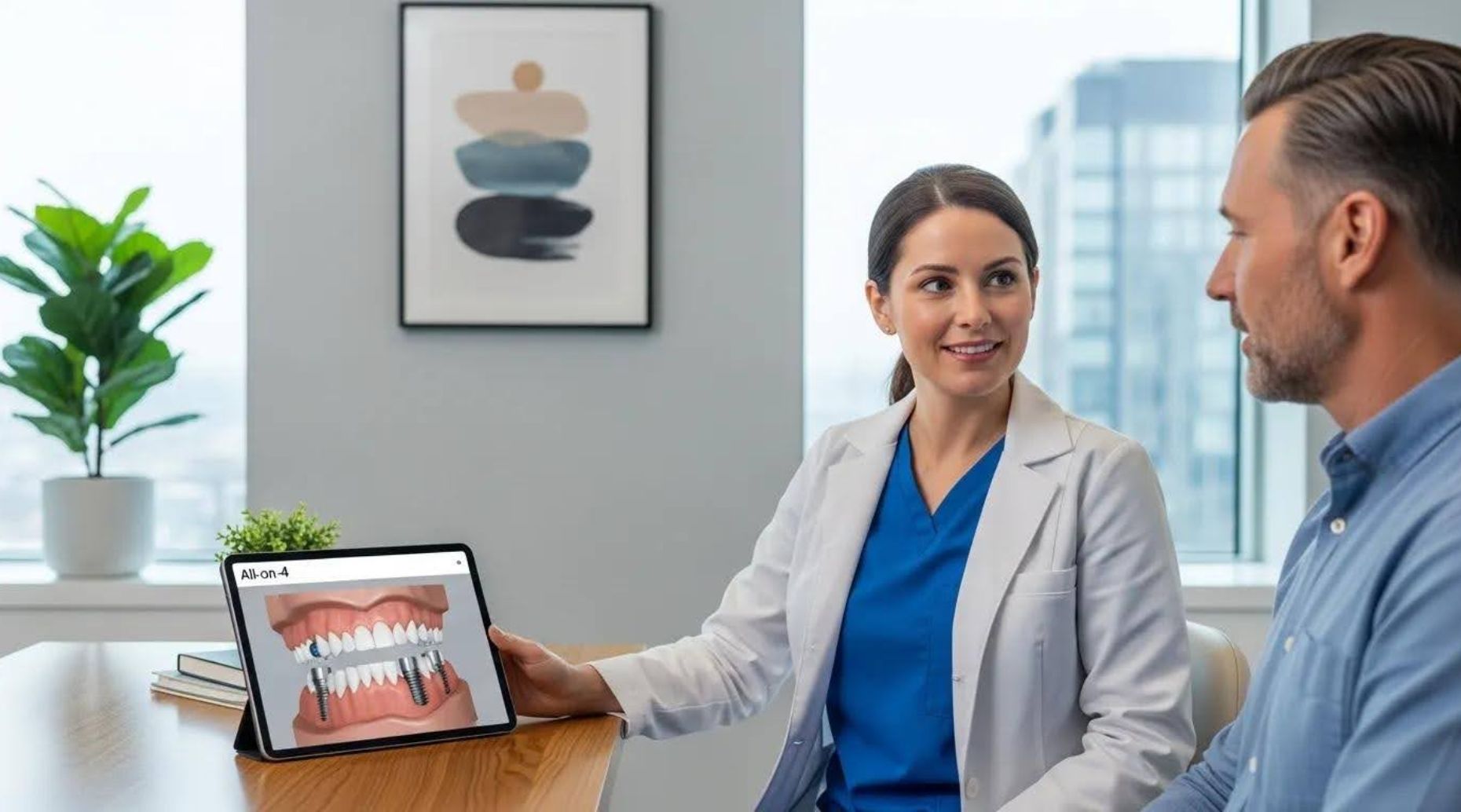
Healing after All-on-4 dental implants is a common concern for prospective patients. A clear timeline helps set realistic expectations and prepare for recovery. This article outlines typical healing duration, recovery phases, and key influencing factors. It also summarises recommended aftercare and distinguishes normal healing signs from potential complications. After reading, patients will understand what to expect during recovery.
What Is the Typical Healing Timeline for All-on-4 Dental Implants in Plano?
Healing generally spans several months. The initial phase commonly lasts 4 to 6 months while osseointegration occurs; afterward, implants are uncovered and healing caps placed to prepare for the final restoration. Knowing this schedule helps patients plan follow-up care.
Plano Smile Studio provides individualized care for All-on-4 implant treatment and develops treatment plans aligned with each patient’s healing needs.
Which Phases Define the Full Arch Implant Recovery Timeline?
Recovery is commonly divided into three principal phases:
- Initial Healing Phase: This phase lasts approximately 4 to 6 months, during which the implants fuse with the jawbone.
- Uncovering Phase: After osseointegration, the implants are uncovered, and healing caps are placed to facilitate gum healing.
- Final Restoration Phase: This phase involves placement of the permanent prosthesis, which can take an additional few weeks to finalize.
Each phase is essential for long-term implant success and requires clinical monitoring.
How Long Does the Osseointegration Period Usually Last?
Osseointegration typically requires 3 to 6 months, during which bone bonds to the implant to secure it. Bone density, general health, and adherence to postoperative instructions influence the duration. Higher bone density often shortens integration time; comorbid conditions may extend it.
Further research describes the biological processes of implant healing and long-term bone adaptation.
Dental Implant Bone Healing & Remodeling Phases
Long-term bone healing and adaptation after dental implant treatment begins with migration of mesenchymal stem cells to the wounded region and their subsequent differentiation. The healing phase is followed by bone remodeling. A mechano-regulatory cellular differentiation model was used to simulate tissue healing around an immediately loaded dental implant, with all tissue types modelled as poroelastic during the healing phase. Material properties of the healing region were updated after each loading cycle for 30 cycles (days). The tissue distribution in the healed state served as the initial condition for the remodeling phase, during which regions that have healed into bone adapt their apparent density with respect to a homeostatic remodeling stimulus. The short- and long-term effects of initial implant micromotion during the healing phase were analysed.
The interplay between bone healing and remodeling around dental implants, S Irandoust, 2020
What Are the Key Factors Influencing All-on-4 Implant Healing Time?
Multiple factors affect All-on-4 healing time; understanding them enables patients to better prepare for recovery.
- Patient Health: Overall health and any pre-existing conditions can affect healing. Patients with chronic illnesses may experience longer recovery times.
- Implant Placement Technique: The skill and technique of the dental surgeon play a crucial role in the procedure’s success and the speed of healing.
- Post-Operative Care: Following the dentist’s aftercare instructions is essential for promoting healing and preventing complications.
How Does Immediate Load Impact the Healing Duration?
Immediate-load protocols allow attachment of a temporary prosthesis on the day of surgery. This reduces time without teeth and improves comfort, but it requires precise planning and execution so implants can tolerate early loading.
What Role Does Patient Aftercare Play in Healing Success?
Aftercare is critical to All-on-4 success. Consistent oral hygiene, adherence to dietary restrictions, and scheduled follow-up visits all improve healing outcomes. Patients should follow clinician instructions to support recovery.
What Are the Recommended Aftercare Practices to Support Healing?
To promote recovery after All-on-4 placement, patients should follow specific aftercare measures:
- Maintain Good Oral Hygiene: Regular brushing and rinsing with an antibacterial mouthwash can help prevent infection.
- Avoid Hard Foods: Stick to a soft diet during the initial healing phase to avoid putting undue stress on the implants.
- Follow-Up Procedures: Attend all scheduled follow-up appointments to monitor healing and address any concerns.
Which Eating and Oral Hygiene Guidelines Should Patients Follow?
Patients should follow these guidelines to support healing:
- Soft Food Recommendations: Focus on soft foods such as yogurt, mashed potatoes, and smoothies during the initial healing phase.
- Oral Hygiene Practices: Use a soft-bristled toothbrush and avoid vigorous rinsing to protect the surgical site.
- Follow-Up Care: Regular check-ups with the dentist are essential to ensure proper healing and address any issues promptly.
When Can Normal Eating Resume After Full Arch Implant Placement?
Normal diet typically resumes after the initial healing phase, around 4 to 6 months post-surgery. Consult the dentist before reintroducing hard or crunchy foods to confirm implant stability and integration.
What Are the Signs of Proper Healing and Potential Complications?
Identifying normal healing signs is essential. Mild swelling and discomfort are expected; certain symptoms indicate complications and warrant attention.
- Normal Swelling Duration: Swelling is common after surgery and usually peaks within the first few days, gradually subsiding thereafter.
- Signs of Infection: Symptoms such as increased pain, fever, or pus discharge may indicate an infection and require immediate dental attention.
- When to Contact a Dentist: Patients should reach out to their dentist if they experience persistent pain or any unusual symptoms during their recovery.
How to Recognize Normal Swelling Duration After All-on-4 Implants?
Normal swelling generally persists for 3 to 5 days. Ice packs can reduce swelling. Seek dental advice if swelling continues or worsens beyond this period.
What Symptoms Indicate Healing Complications?
Patients should be vigilant for the following symptoms that may indicate complications:
- Signs of Infection: Increased redness, warmth, or discharge from the surgical site.
- Persistent Pain Indicators: Pain that does not improve with over-the-counter medications may signal an issue.
- Importance of Follow-Up: Regular follow-ups are essential to catch any complications early and ensure a successful recovery.
Understanding the healing timeline and adhering to recommended aftercare can improve recovery after All-on-4 placement. Plano Smile Studio provides comprehensive care and support throughout treatment to help patients achieve optimal outcomes.
If you are considering All-on-4 dental implants, it is essential to understand the procedure and recovery process. Dental implants in Plano, TX can provide a long-term solution for missing teeth, improving function and appearance.
Frequently Asked Questions
What should I expect during the initial healing phase after All-on-4 implants?
During the initial healing phase, which typically lasts 4 to 6 months, patients may experience swelling and discomfort as osseointegration occurs. It is essential to follow postoperative instructions, maintain oral hygiene, and attend scheduled follow-up appointments to monitor progress. Most patients manage discomfort with over-the-counter analgesics; any persistent pain should be reported to the dentist.
Can lifestyle choices affect the healing process of All-on-4 implants?
Lifestyle choices significantly affect healing. Smoking, alcohol use, and poor nutrition can impede recovery and osseointegration. Smoking reduces gum blood flow and increases complication risk. A balanced diet rich in vitamins and minerals supports healing. Discuss lifestyle changes with the dentist to align them with the recovery plan.
How can I manage discomfort during the recovery period?
Discomfort management combines medication and self-care. Over-the-counter analgesics, as advised, may reduce pain. Ice packs lower swelling. Rest and avoidance of strenuous activity support recovery. If pain persists or intensifies, contact the dentist for evaluation.
What are the potential risks associated with All-on-4 implants?
All-on-4 implants are generally safe but carry risks including infection, implant failure, and nerve injury. Infection can result from inadequate aftercare; implant failure may arise from insufficient bone density or incorrect placement. Nerve injury, though uncommon, can cause numbness or tingling. Discuss these risks with the dentist to understand mitigation strategies.
How often should I schedule follow-up appointments after my All-on-4 procedure?
Follow-up appointments monitor healing. Typically, visits occur every few weeks during the initial 6 months. After successful integration, visits may become less frequent, often shifting to biannual check-ups. Regular appointments allow the dentist to address concerns and confirm proper healing.
What should I do if I notice unusual symptoms during recovery?
If unusual symptoms occur—such as increased pain, persistent swelling, or signs of infection (fever or pus)—contact the dentist immediately. Early intervention reduces complication risk. Maintain communication with the dental team to address concerns promptly.
Conclusion
Understanding the healing timeline and required aftercare is essential for successful recovery. Adherence to recommended practices and awareness of potential complications improve outcomes. Patients considering All-on-4 implants should consult the specialist team at Plano Smile Studio. Review available resources and schedule a consultation to proceed.

