
Recent Posts
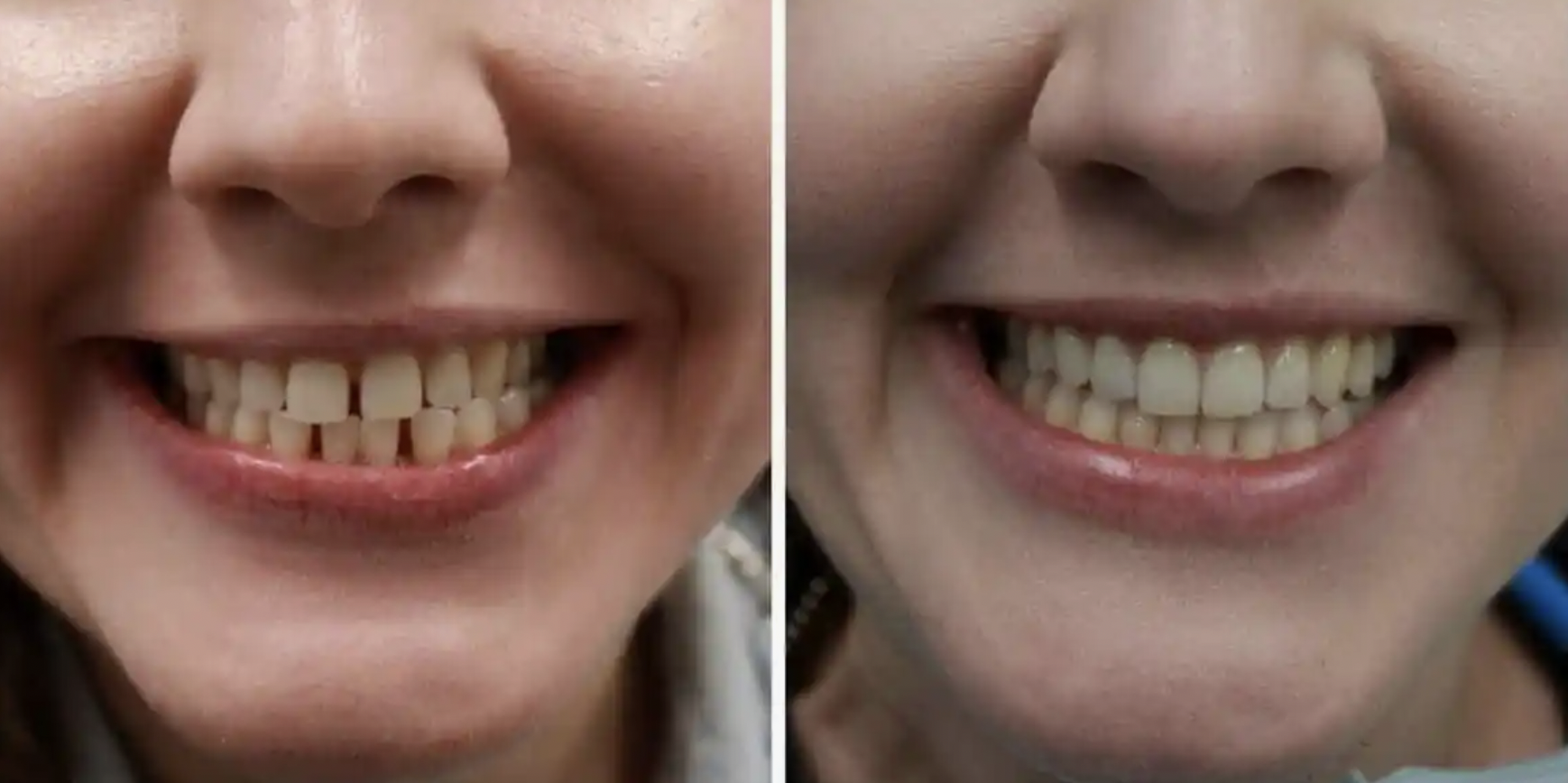
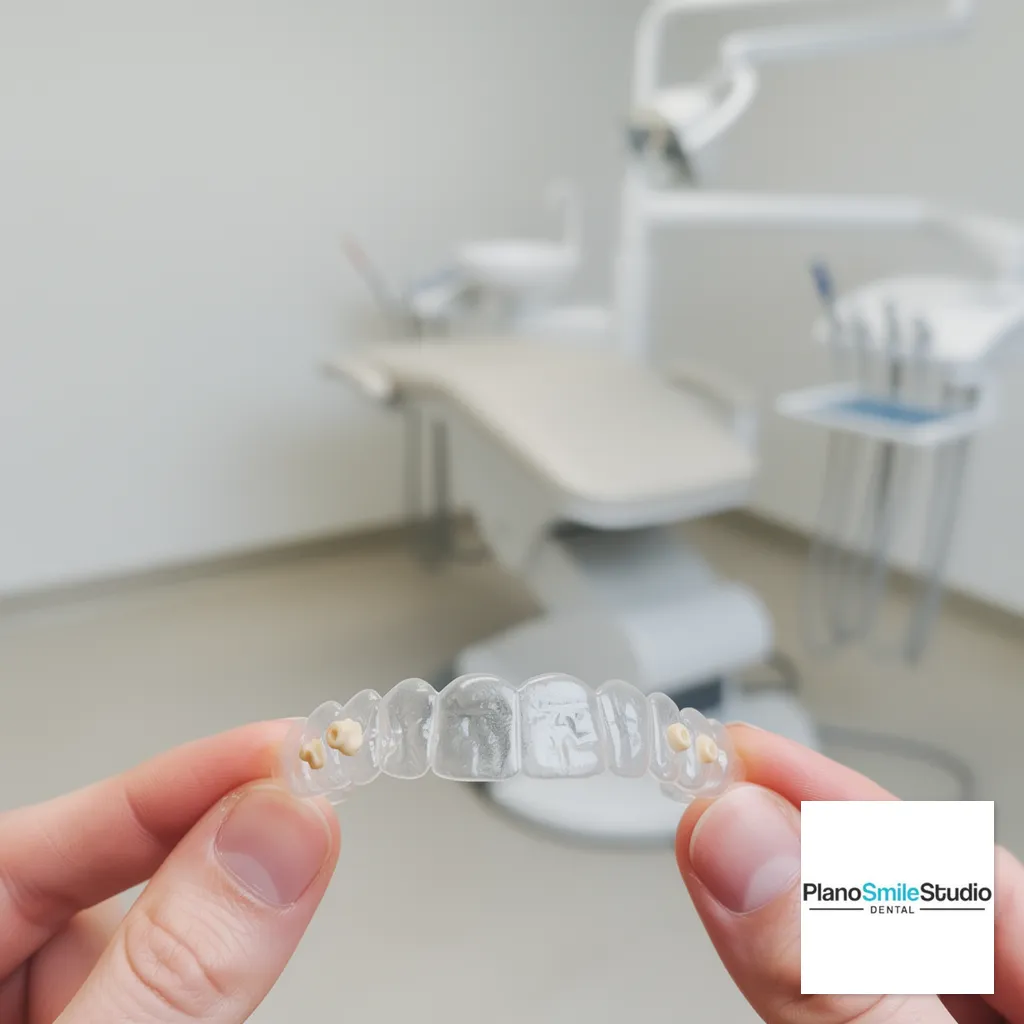
Small tooth-colored bumps called SmartForce attachments give your Invisalign aligners extra grip on specific teeth, allowing controlled, efficient movement that trays alone cannot achieve. Dr. John M. Hucklebridge, a Preferred Invisalign provider in Plano, TX, places attachments strategically on front teeth or molars, minimizing visibility while keeping your treatment plan precisely on track.
What Are Invisalign Attachments and Why Are They Needed?
Small, tooth-colored shapes bonded temporarily to specific teeth make up Invisalign attachments. Your orthodontic team places them exactly where your smile needs extra help, then removes them once treatment finishes. These shapes work like tiny anchors on your tooth surface. Instead of relying on the aligner tray alone, an attachment gives your aligner something to grip. Pressure lands precisely where a tooth needs to move.
That precision matters more than it might seem. Without a fixed point of contact, an aligner can slide against smooth enamel and lose some of its grip. Attachments solve that problem by concentrating force exactly where rotation, tipping, or vertical movement is required.
Do all Invisalign patients need attachments?
Not every case calls for them. Your dentist evaluates your specific tooth movements and adds attachments only where extra grip improves the outcome. Simpler cases involving minor spacing sometimes proceed with few or none.
How do attachments support a discreet treatment experience?
Invisalign in Plano relies on clear, low-profile aligners rather than visible metal brackets and wires, letting you straighten teeth without an obvious orthodontic look. Attachments stay tooth-colored and compact, so they blend into your existing enamel rather than standing out. This discreet combination is part of what makes customized clear aligners effective even for more complex, severely misaligned cases.
Here is what attachments accomplish during treatment:
- Anchor the aligner to a specific tooth for consistent grip
- Direct focused pressure toward teeth needing rotation or tipping
- Support predictable movement in more complex misalignment cases
- Maintain a low-visibility profile consistent with clear aligner treatment
Attachments are a functional detail, not a cosmetic flaw. They exist to help your treatment plan work as designed, tooth by tooth, until your smile reaches its final position.
How Are Invisalign Attachments Placed on Your Teeth?
Placement follows a simple, chairside procedure completed in a single visit. You will not need special preparation, and the appointment fits easily into a normal visit. Understanding the steps ahead of time helps you feel calm and prepared when you sit down in the chair.
Before bonding anything to your teeth, your treatment provider reviews your digital treatment scan carefully. This scan maps out exactly where each Invisalign attachment needs to go for your specific tooth movements. Every attachment location is planned in advance rather than decided on the spot, which keeps your treatment on schedule and precise.
What happens during the appointment itself?
Your provider cleans and dries the target teeth, then applies a bonding material to hold each attachment in place. A curing light hardens the material within seconds, securing the attachment firmly to your tooth. The process repeats for each planned attachment location until your treatment plan is complete.
Seeking Invisalign in Plano means working with a team that understands precise attachment placement. Dr. Hucklebridge holds recognition as a Preferred Invisalign provider serving patients throughout Plano, TX. That standing reflects consistent experience with cases requiring these small but essential bonded shapes.
Does experience matter for attachment placement?
Yes, placement accuracy directly affects how well your aligners grip and move each tooth. As a leading Invisalign provider, Dr. Hucklebridge has guided many patients of varying ages through successful treatment using this method. Precise, well-planned attachment placement supports predictable results throughout your entire treatment timeline.
Will Invisalign Attachments Be Visible During Treatment?
Minimal visibility is the design goal, not an afterthought. Invisalign attachments use a tooth-colored material engineered to blend against your natural enamel. They avoid drawing attention during everyday conversation. Some patients still notice a difference in how visible attachments look, and that depends on placement.
Are attachments more noticeable on certain teeth?
Yes. Attachments bonded to front teeth sit in your direct line of sight when you smile, making them somewhat easier to spot than those on molars. Attachments placed toward the back of your mouth stay largely out of view. Your treatment plan determines exact placement based on which teeth need the most guided movement.
What if I’m still concerned about how attachments look?
Raise the concern early with your dentist. Placement decisions can often account for aesthetic preferences alongside functional needs, particularly for teeth that show prominently when you speak or laugh.
Invisalign in Plano patients benefit from a practice built around confident, natural-looking results rather than obvious hardware. The technology behind clear aligners aims to deliver the smile you have wanted, without the visible bulk of traditional brackets and wires. That goal shapes every decision your dentist makes about attachment size, shape, and placement.
Comfort matters just as much as appearance. A dedicated, patient-focused approach helps make each stage of treatment feel relaxed rather than stressful. Consider this quick comparison:
| Attachment Location | Typical Visibility |
|---|---|
| Front teeth | Slightly more visible |
| Back teeth/molars | Minimal to none |
Discuss placement details at your consultation so nothing about your treatment plan feels uncertain.
How Do You Care for Invisalign Attachments Daily?
Daily care for Invisalign attachments requires nothing more than consistent brushing, careful aligner removal, and attention to buildup around each small bonded shape. Skipping these habits invites plaque and staining that undermine your treatment progress.
Attachments are made of the same composite material used in dental fillings, so they blend naturally with your tooth enamel. That familiar material also means they respond well to the oral hygiene routine you already know. Brush gently around each attachment twice daily, and rinse after meals if a toothbrush is not handy.
Removing your aligners correctly protects the attachments from unnecessary stress. Pull from the back molars first, working forward, rather than tugging from the front teeth where attachments sit.
Why do attachments need extra attention during cleaning?
Attachments create small ridges where plaque and food particles collect more easily than on apartment enamel. Left uncleaned, this buildup causes discoloration around the attachment, making it more visible instead of less.
What happens if an attachment comes loose?
Loosening is uncommon but not an emergency. Contact your dental team for a prompt repair so your treatment timeline stays on track.
A few daily habits keep attachments working as intended:
- Brush after every meal, angling bristles around each attachment
- Use floss or an interdental brush to clear trapped debris
- Reinsert aligners fully so attachment pressure stays even
- Avoid biting into aligners with front teeth to reduce attachment strain
Though small and subtle, attachments do heavy lifting, guiding teeth efficiently through each stage of your aligner sequence. Plano Smile Studio centers its approach on exceptional lifetime dental care, and Dr. Hucklebridge’s personalized, attentive guidance helps you maintain attachments correctly throughout treatment. That steady support, paired with Invisalign in Plano, keeps your smile progressing on schedule.
Why Choose Plano Smile Studio for Invisalign in Plano?
Dr. Hucklebridge’s reputation for excellent aesthetic results. Attentive patient care draws clear aligner patients from across the greater Dallas area, not just Plano. That reach matters when you’re deciding who should manage a treatment plan involving invisalign attachments. You want a provider whose track record extends beyond a single neighborhood.
Consistency matters just as much as reputation. The cosmetic dentistry team at Plano Smile Studio commits to complete patient satisfaction across every service offered, from whitening to full aligner treatment. That standard applies whether you’re getting a routine cleaning or working through a multi-month Invisalign plan with attachments guiding tooth movement.
Is Plano Smile Studio Convenient for Local Patients?
Yes. The practice sits at 6001 Windhaven Pkwy Suite 200 in Plano, TX, making consultations and attachment check-ins easy to fit into your schedule. Proximity counts for real when you need periodic monitoring throughout treatment.
What Should You Look for in an Invisalign Provider?
Look for experience with aesthetic outcomes and a team focused on your comfort, not just the mechanics of aligner trays. Invisalign in Plano works best when your provider treats attachment placement, monitoring, and adjustments as part of one coordinated plan.
Here’s what sets the experience apart for aligner patients:
- A dentist recognized for aesthetic results across the Dallas area
- A team culture centered on full patient satisfaction, not volume
- A Plano location built for easy, recurring visits
- Comprehensive care that spans cosmetic and functional dentistry alike
Choosing a provider rooted in your community, with a broader regional reputation, gives you both convenience and confidence in the outcome.
FAQ
Do all Invisalign patients need attachments?
No. Your dentist evaluates your specific tooth movements and adds attachments only where extra grip improves the outcome. Simpler spacing cases sometimes proceed with few or none.
How visible are Invisalign attachments?
SmartForce attachments use tooth-colored material that blends seamlessly with your natural teeth. Attachments on front teeth show more visibility than those on molars due to their location.
How does placement of Invisalign attachments work?
Your provider reviews your digital treatment scan to map each attachment location in advance, then bonds them to your teeth chairside in a single visit with no special preparation needed.
Conclusion
In closing, understanding how Invisalign attachments function empowers you to approach your clear aligner treatment with realistic expectations and informed confidence. These small but essential components work quietly behind the scenes to deliver the precise tooth movements your customized treatment plan requires. By partnering with an experienced dental team throughout your aligner journey, you ensure optimal results and a straighter smile that reflects your investment in comprehensive orthodontic care.

