
Recent Posts
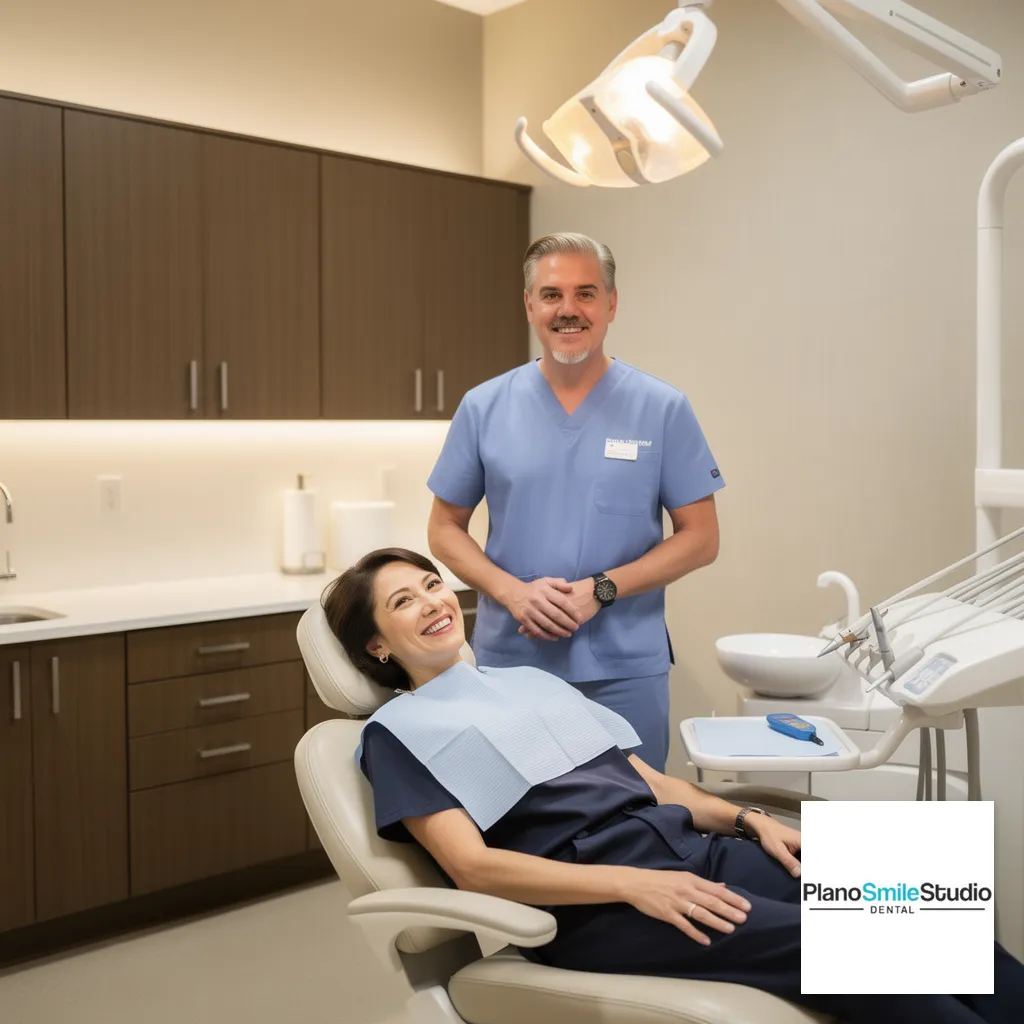
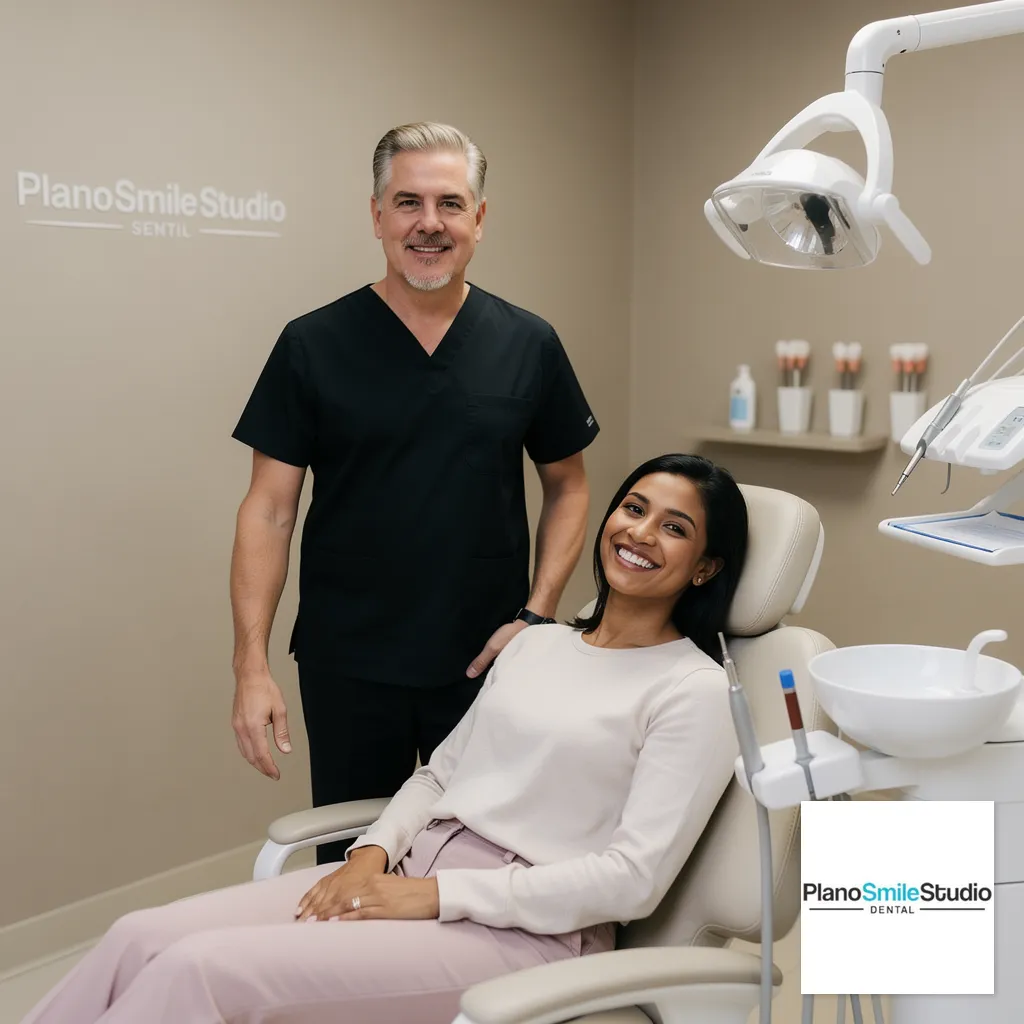
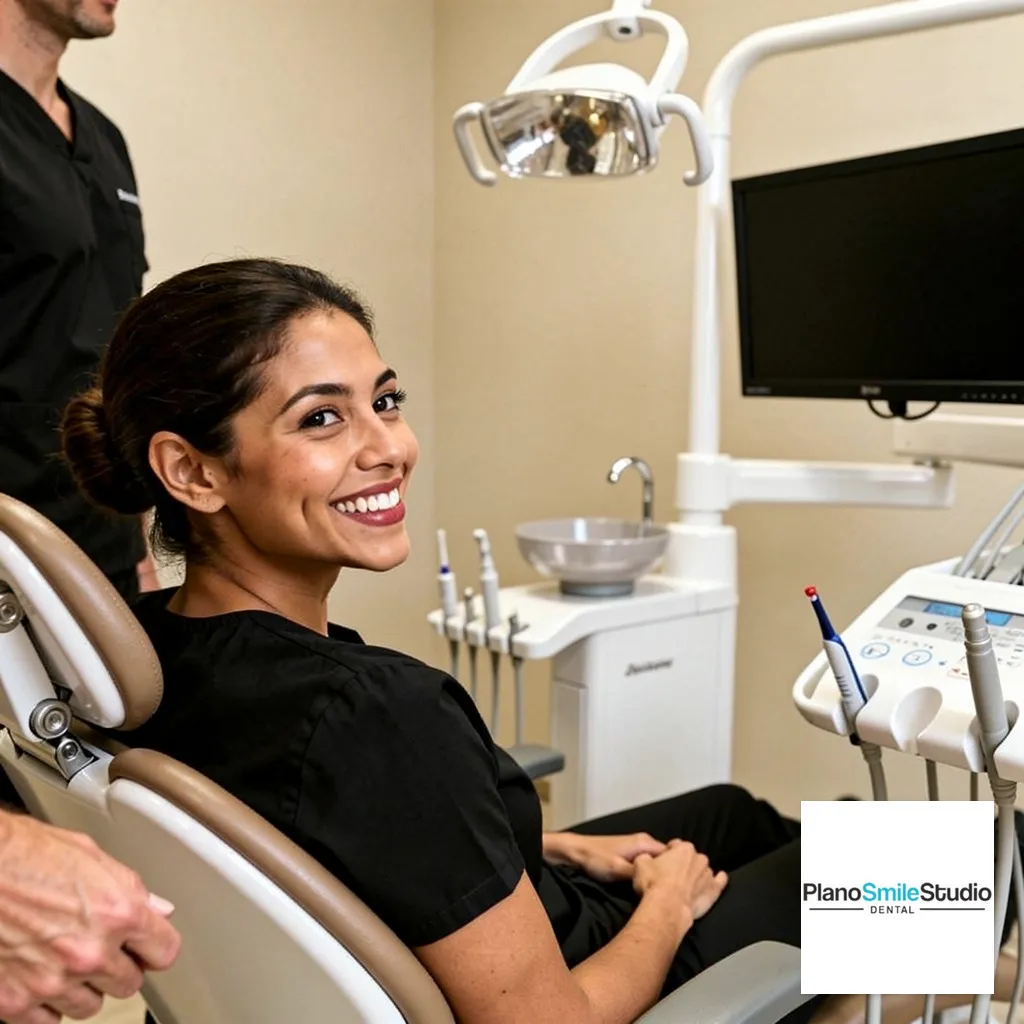
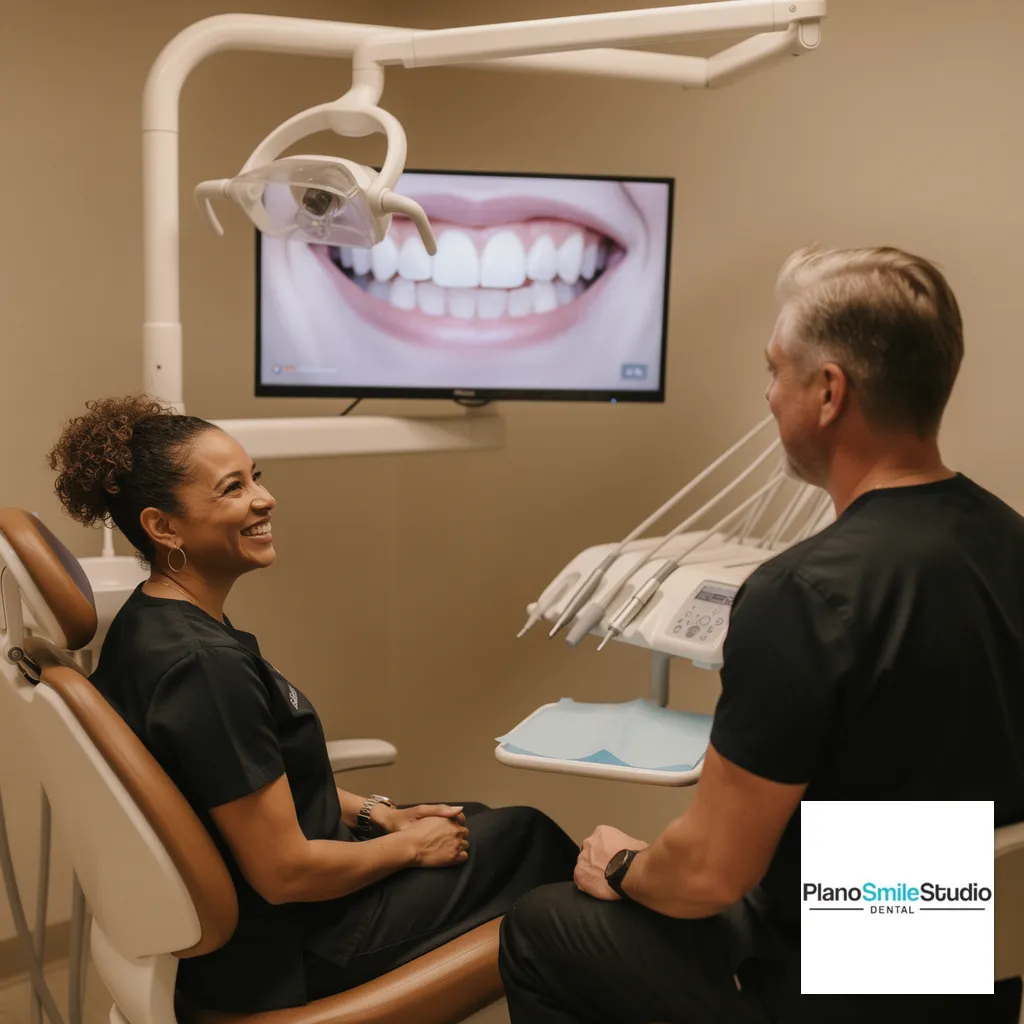
Smoking raises the risk of dental implant failure by restricting blood flow and slowing healing at the surgical site. Candidacy still exists for most smokers. Plano Smile Studio evaluates your bone density, tobacco habits, and healing capacity before treatment. Quitting or pausing use before and after surgery significantly improves integration success and protects your investment long-term.
Can Smokers Get Dental Implants In Plano?
Yes, smoking does not automatically rule out candidacy for dental implants in Plano. Dr. Hucklebridge is recognized as one of the most experienced full arch dental implant dentists serving the Plano area, offering candid evaluations for patients who smoke or vape. Ignoring tooth loss carries its own consequences, since untreated gaps affect both dental health and facial appearance over time. Waiting for the “perfect” moment to quit smoking often means living longer with an unstable bite and a smile you avoid showing.
Do smokers face higher risks with implants?
Smoking significantly raises the risk of surgical complications and implant failure compared to non-smoking patients. Reduced blood flow from nicotine slows healing at the implant site, which can compromise how well the post fuses with your jawbone. This does not mean failure is guaranteed, but it does mean your treatment plan needs closer monitoring.
What does candidacy actually depend on?
Candidacy depends less on the habit itself and more on your overall oral health, bone density, and willingness to follow a tailored healing protocol. A thorough evaluation determines whether dental implants for smokers make sense right away or whether preparatory steps come first.
Key factors your dentist reviews include:
- Current gum and bone condition
- Frequency and duration of tobacco or vape use
- Ability to modify habits around surgery
- Overall medical history affecting healing
How Does Smoking Affect Implant Healing?
Nicotine restricts blood flow to the gum tissue surrounding a newly placed implant every time you inhale. Reduced circulation weakens your immune response and makes it harder for your body to fight infection at the surgical site. For anyone pursuing **dental implants in Plano**, understanding this mechanism matters before you schedule surgery, not after.
Poor circulation does more than slow things down. Your gum tissue relies on a steady supply of oxygen and nutrients to rebuild itself around the implant post. When nicotine chokes off that supply, healing stalls and the risk of complications climbs.
Is There a Riskiest Time to Avoid Smoking After Surgery?
Yes. The first several days after implant placement form an especially sensitive window in your recovery. Your body is working to stabilize the implant and begin forming new tissue, and interrupting that process during this early stage carries the highest risk of setback.
Consider what happens if you resume smoking too soon:
- Blood flow to the healing site drops right when your tissue needs it most.
- Your immune system struggles to respond to bacteria near the incision.
- The implant itself can fail to integrate properly, jeopardizing the entire investment.
Resuming the habit early does not just slow recovery. It can interrupt healing outright and put your new implant at risk.
Does Individualized Monitoring Improve Outcomes for Smokers?
Close, personalized attention during recovery helps identify problems before they escalate. Dr. Hucklebridge applies this dedicated approach with every patient, tailoring guidance to your specific healing pattern rather than a generic timeline. That level of attentiveness matters most for dental implants smokers face during the critical days following surgery.
What Happens If You Delay Implant Treatment?
Delay carries a cost measured in shifting teeth, not just lost time. Waiting to replace a missing tooth allows neighboring teeth to drift into the empty space, gradually changing how your bite comes together. For you, that means a smile that functions differently next year than it does today.
The mechanics behind this movement come down to lost support. An extracted tooth once anchored a root that stimulated the jawbone underneath it. Once that root disappears, the surrounding teeth lose their point of resistance and begin tilting or sliding toward the gap.
That drift does not stop at cosmetics. Occlusion, or how your upper and lower teeth meet, changes as neighboring teeth migrate. Uneven wear patterns follow, along with a higher risk of bite problems that can affect chewing and jaw comfort.
Does waiting to get an implant make treatment harder later?
Yes. The longer a gap sits open, the more adjacent teeth move out of position, which complicates future restoration. Dental implants in Plano are designed to intervene before that drift progresses, restoring load to the jaw through a biological process called osseointegration.
How does an implant stop the shifting process?
An implant replaces the missing root, not just the visible tooth. By occupying the extraction site and stabilizing the surrounding bone, it limits the bone loss that invites nearby teeth to move.
Consider what delay versus timely treatment looks like in practice:
- Delayed treatment: adjacent teeth drift, bite alignment shifts, uneven wear develops
- Timely implant placement: bone stays stabilized, bite alignment holds, root-level support returns
For adults managing tooth loss, especially those weighing options around dental implants for smokers, acting sooner protects the bone structure that later treatment depends on.
Why Choose Dental Implants In Plano, TX?
Location matters when you need follow-up visits during healing. A practice based in Plano, TX puts implant care close to home for patients throughout the North Dallas area. That proximity counts double if you smoke or vape, since your recovery timeline often requires closer monitoring than a non-smoker’s. You avoid long drives during a period when your gum tissue and jawbone need consistent, unhurried attention.
Dr. John M. Hucklebridge, DDS, FAGD, and the practice team focus on complete patient satisfaction across every service offered, including dental implants for smokers who face elevated healing risks. Quality dental care stays the guiding standard, not a byproduct of volume. For smokers specifically, that standard translates into more careful planning before surgery, not a one-size-fits-all protocol.
Are dental implants harder to plan for smokers?
Yes. Nicotine restricts blood flow to the gums and jawbone. Treatment planning for dental implants in Plano accounts for slower tissue healing and higher infection risk in smokers. A thorough consultation, rather than a quick screening, identifies these risk factors before any surgical decision gets made.
What does individualized planning look like for a smoker?
Your treatment plan reflects your smoking habits, bone density, and healing history — not a generic implant protocol. Expect a review that considers:
- Current smoking or vaping frequency
- Bone quality at the implant site
- A realistic pre- and post-surgical timeline
- Follow-up scheduling tailored to your healing pace
This individualized approach, built around thorough consultations, gives smokers a clearer, more honest path toward implant success.
What Helps Smokers Protect New Dental Implants?
Consistent oral hygiene, honest communication with your dental team, and realistic financial planning give smokers the strongest odds of implant success. Dental implants stand as the gold-standard tooth replacement, built to look, feel, and function like natural teeth. That standard only holds up if you protect the investment during healing and beyond.
Cared for properly, implants support a healthy smile for 30 years or longer. Smokers who commit to that level of maintenance put themselves in the best position for a lasting result. Skipping follow-up visits or hygiene routines raises the risk of losing ground you already paid for.
What daily habits protect implants for smokers?
Brushing twice daily, using a non-alcohol antimicrobial rinse, and keeping every follow-up appointment all matter. Reducing cigarette or vape use around the healing window matters even more. Tissue needs steady blood flow to integrate with the implant post.
How does Plano Smile Studio support smokers through recovery?
Dental implants in Plano patients get individualized monitoring from a team of 20 employees, which allows closer tracking of healing progress for higher-risk cases like smokers. That staffing level supports more frequent check-ins without long waits for appointments.
Financial flexibility also matters, since extended monitoring can mean more visits. The office accepts PPO dental insurance, major credit cards, checks, and cash, and offers third-party financing. That structure helps smokers budget for the additional care their recovery may require:
- PPO dental insurance accepted
- Major credit cards, checks, and cash accepted
- Third-party financing available for qualifying patients
Protecting a new implant is a long game. Treat the habits above as ongoing maintenance, not a one-time fix.
FAQ
Do smokers qualify as candidates for dental implants?
Most smokers qualify as candidates for dental implants, though smoking delays healing and raises complication risks significantly. Plano Smile Studio evaluates bone density, gum health, and tobacco habits before confirming a treatment plan, so candidacy is determined case by case rather than ruled out automatically.
How much does smoking increase the risk of implant failure?
Smoking reduces blood flow to the gum tissue and jawbone, which slows healing and raises the risk of infection and implant failure compared to non-smokers. The exact risk varies by how much and how often you smoke or vape, which is why a personalized evaluation matters more than general statistics.
Can vaping affect dental implants the same way smoking does?
Yes. Vaping delivers nicotine that restricts blood flow just as traditional smoking does, so it carries similar risks for implant healing and long-term success. Patients who vape should discuss their usage honestly with their dental team before treatment.
Conclusion
In closing, smokers pursuing dental implants must commit to comprehensive pre-treatment evaluation, realistic expectations regarding healing timelines, and a genuine willingness to modify tobacco use. Success depends not on perfection but on informed decision-making and partnership with an experienced dental team. At Plano Smile Studio, we work with patients to assess candidacy, optimize outcomes, and support long-term implant health through personalized care and evidence-based protocols.

