
Recent Posts
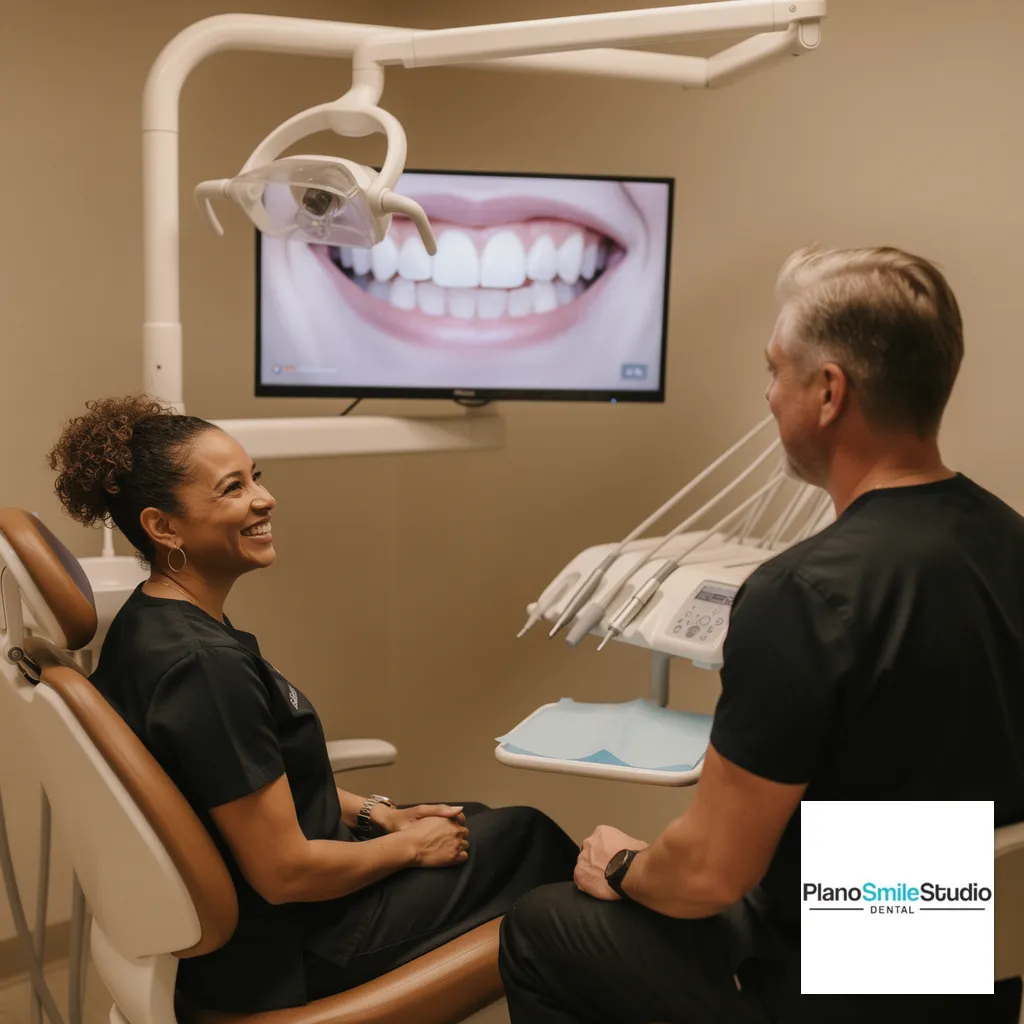
Dental anxiety is common, especially before cosmetic procedures like smile makeovers. Causes include fear of pain, prior negative experiences, and an unfamiliar clinical environment. Effective management helps patients complete aesthetic treatment. This article summarizes practical strategies—focusing on sedation dentistry, common modalities and benefits—and explains how Plano Smile Studio fosters a calming environment.
Sedation Dentistry Techniques
Sedation dentistry promotes relaxation and reduces procedural discomfort so treatments can be completed efficiently at a Cosmetic Dentist Plano. Common methods are oral sedation (a pill before the visit), IV sedation (medication delivered into the bloodstream for deeper sedation), and nitrous oxide (an inhaled mild sedative). Each method has a different onset and depth of effect.
Benefits of Sedation Dentistry
Sedation offers several clear benefits for smile makeovers:
- Anxiety Reduction: Calms patients so procedures are more tolerable.
- Comfort During Procedures: Many patients report minimal discomfort while sedated.
- Memory Reduction: Patients often have little recollection of the procedure, which helps those with severe anxiety.
Sedation can turn a fearful visit into a manageable, even comfortable, experience. Plano Smile Studio provides individualized care so each patient receives appropriate support and monitoring.
Managing Anxiety Effectively
Managing dental anxiety uses multiple strategies: clear communication with the dental team, a calming office environment (soothing music, ergonomic seating, attentive staff), and simple preparations such as office pre-visits or bringing a companion. Combining these measures reduces uncertainty and builds trust.
What Sedation Dentistry Options Are Available to Manage Dental Anxiety in Plano?
Plano offers several sedation options to address dental anxiety, chosen based on patient needs:
- Oral Sedation: A pill taken before the appointment to promote relaxation.
- IV Sedation: Deeper sedation delivered through an IV for more complex procedures.
- Nitrous Oxide: A mild inhaled sedative used during treatment for short-term relaxation.
A cosmetic dentist will review medical history and recommend the best option for the planned procedure.
How Do Oral and IV Sedation Techniques Differ in Cosmetic Dentistry?
Oral sedation has a slower onset and often requires someone to drive the patient home. IV sedation acts quickly and allows precise control of sedation depth, useful for longer or more complex treatments. Knowing these differences helps patients choose the appropriate method.
What Are the Safety Benefits of Sedation Dentistry for Smile Makeovers?
Safety is a priority with sedation dentistry. Patients are monitored throughout procedures to maintain stable vitals. Sedation reduces involuntary movement, improving procedural accuracy and safety. It also enables patients with low pain tolerance to receive necessary care with less distress.
How Does Plano Smile Studio Create a Relaxing Dental Environment to Reduce Anxiety?
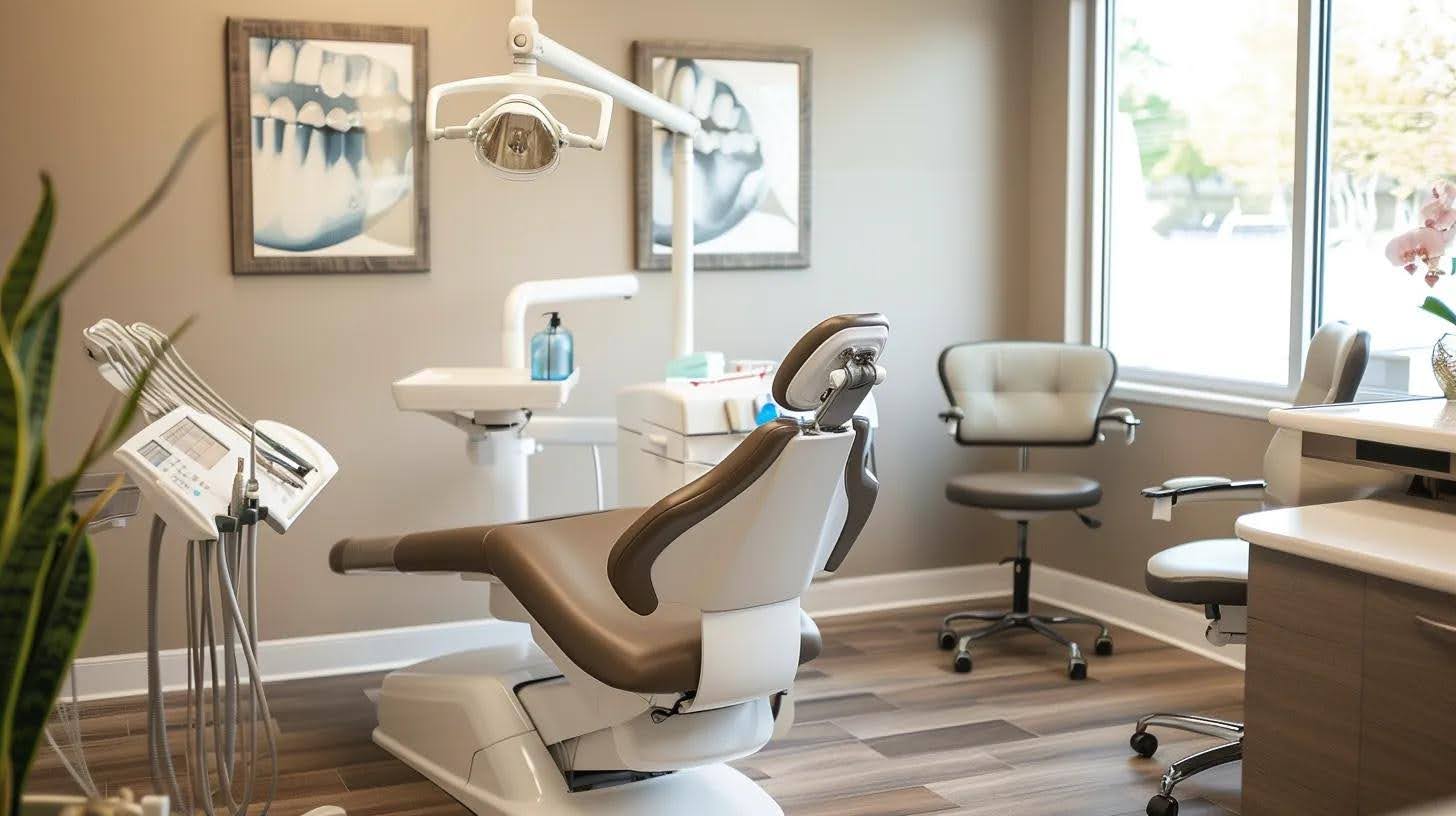
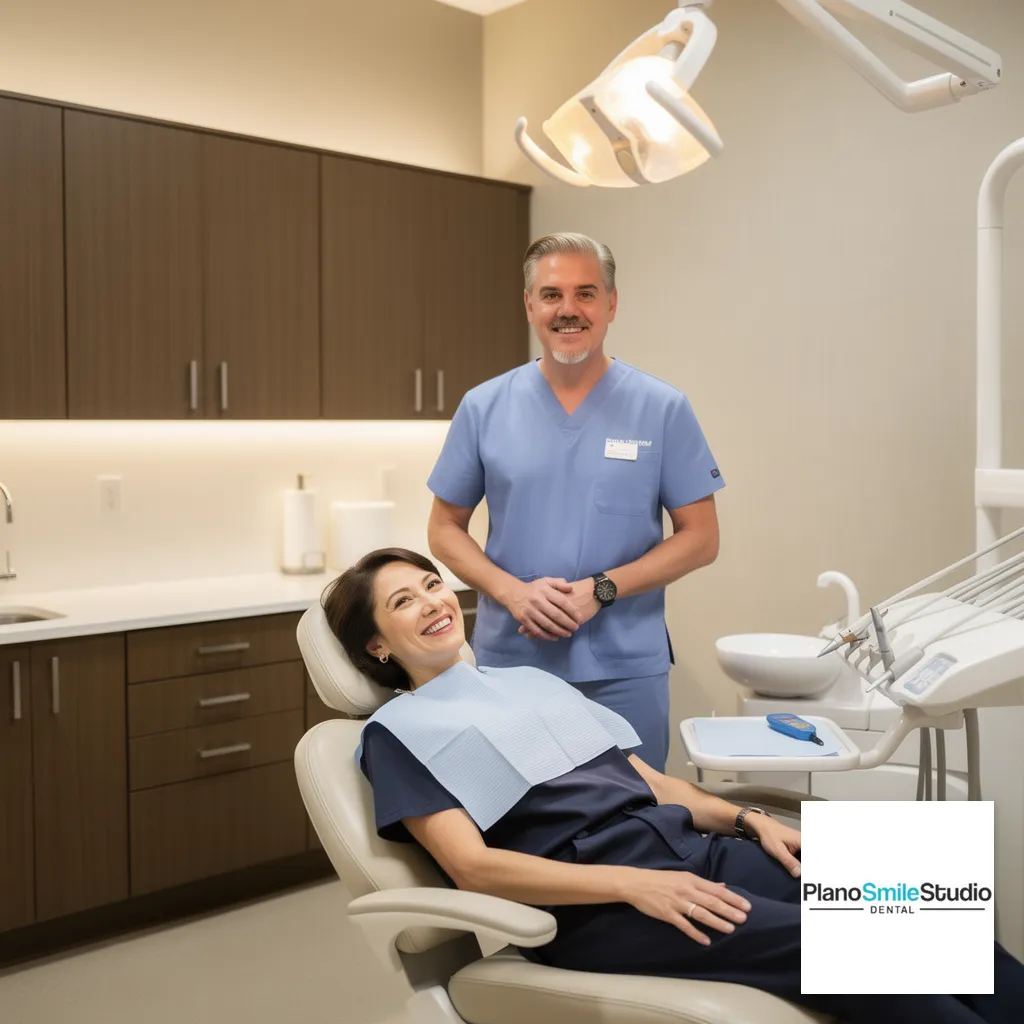
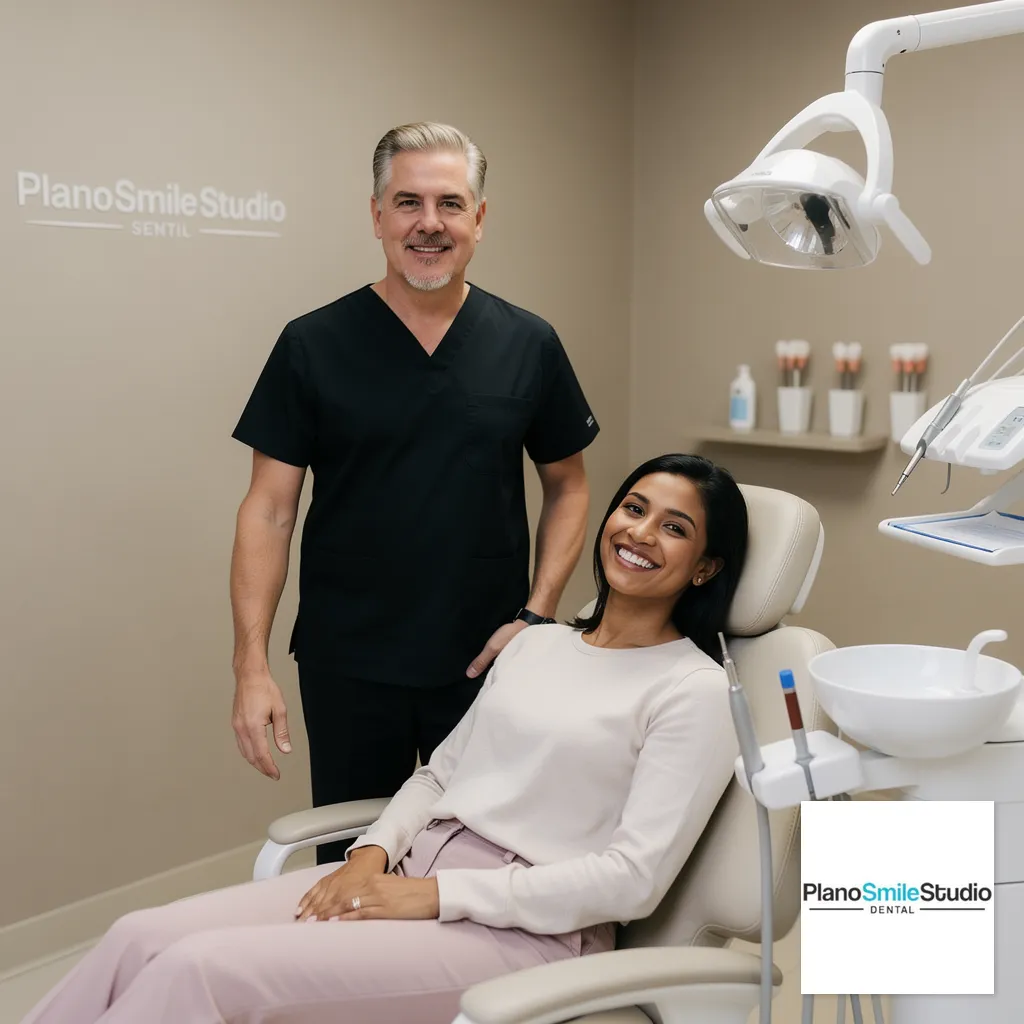
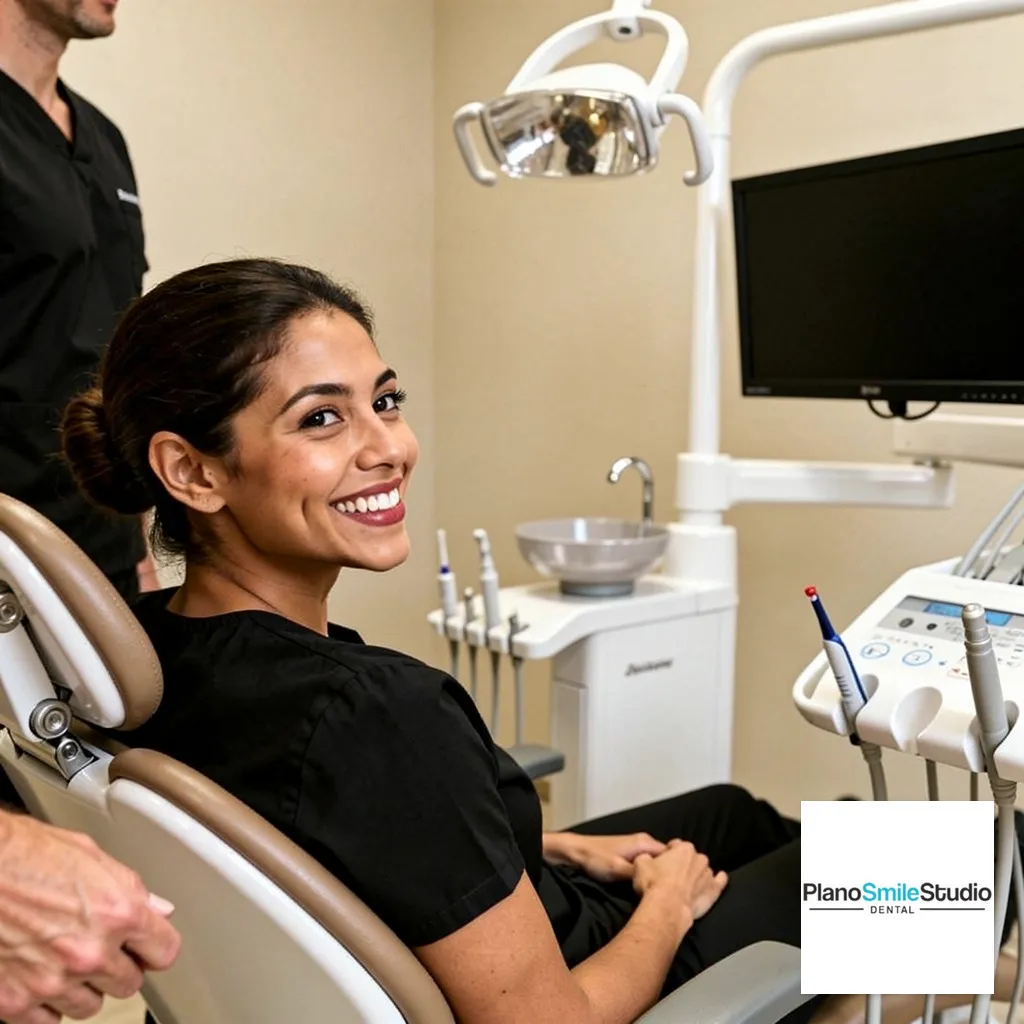
Plano Smile Studio’s environment is designed to minimize anxiety: calming decor, comfortable seating, trained staff, and modern clinical technology to make procedures efficient and comfortable. Personalized attention ensures each patient’s concerns are addressed to foster trust and relaxation.
What Amenities and Office Features Promote Patient Comfort in Collin County?
Plano Smile Studio offers amenities that enhance comfort, including:
- Spa-like Atmosphere: The office aims for a calming, less clinical feel.
- Personalized Care: Individual attention to each patient’s needs.
- Educational Support: Clear information to help patients understand procedures and options.
These features create a supportive setting that reduces anxiety and improves the patient experience.
How Does Personalized Care Enhance Anxiety-Free Cosmetic Procedures?
Personalized care means assessing each patient’s concerns and preferences, customizing the treatment plan, selecting suitable sedation, and monitoring comfort throughout. This approach reduces fear and lets patients focus on their aesthetic goals.
What Are the Steps for Painless Veneer Preparation During Smile Makeovers?
Veneer preparation can be pain-free with planning and appropriate sedation. Typical steps include:
- Initial Consultation: Discuss goals and expectations with the dentist.
- Sedation Use: Use of sedation as needed to ensure comfort.
- Preparation: Gentle tooth preparation for veneers while maintaining patient comfort.
Following these steps helps patients achieve their desired smile with minimal pain and anxiety.
How Can Patients Schedule an Anxiety-Free Appointment for Cosmetic Dentistry in Plano?
Scheduling at Plano Smile Studio is simple: contact the office to discuss concerns and sedation preferences. The team offers pre-visit consultations and online forms to streamline the appointment and reduce pre-visit anxiety.
What Are the Benefits of Early Consultation for Sedation Dentistry?
Early consultation helps by:
- Understanding Patient Concerns: Identifying fears so care can be tailored.
- Personalized Sedation Options: Reviewing methods that best fit the patient.
- Preparation for the Appointment: Reducing uncertainty through planning and questions.
Early planning supports a smoother, more comfortable experience during smile makeovers.
How Do Patient Testimonials Reflect Anxiety Management Success?
Patient testimonials often note increased relaxation and confidence after receiving personalized care and sedation options at Plano Smile Studio. Positive experiences encourage others to pursue cosmetic treatment with less fear.
Considering cosmetic dentistry? Contact the office to schedule a consultation and discuss anxiety management for your treatment.
Frequently Asked Questions
What should I expect during my first visit to a cosmetic dentist regarding anxiety management?
Expect a review of dental history and concerns, discussion of sedation options and effects, and a chance to tour the facility. The consultation is an opportunity to ask questions and build rapport with the dental team.
Are there any non-sedation techniques to help manage dental anxiety?
Yes. Non-sedation options include paced breathing, guided visualization, mindfulness, and distraction (music or video). Bringing a supportive companion can also help. Discuss alternatives with the dentist to find the best approach.
How can I prepare for my cosmetic dentistry appointment to minimize anxiety?
Prepare by learning about the procedure, discussing concerns in advance, scheduling a pre-visit if helpful, practicing relaxation techniques, arriving early, and bringing a comfort item if desired.
What role does communication play in reducing dental anxiety?
Open communication lets the dental team tailor care to individual needs. A clear explanation of procedures and sedation options reduces uncertainty. Agreeing on a signal for breaks helps patients feel more in control.
Can dental anxiety affect the outcome of cosmetic procedures?
Yes. Anxiety can hinder clinician access and precision and lead to avoidance of care. Addressing anxiety with appropriate techniques, including sedation when indicated, supports better cooperation and clinical results.
What should I do if I experience anxiety during the procedure?
Tell the dentist immediately. The team can pause the procedure, provide reassurance, or adjust sedation. Pre-established signals are useful; patient comfort and safety are prioritized throughout.
Conclusion
Addressing dental anxiety is essential to successful smile makeovers. Sedation dentistry and a supportive clinical environment allow many patients to complete cosmetic treatment comfortably. Schedule a consultation with the Plano Smile Studio team to discuss sedation options and create a treatment plan that minimizes stress and supports optimal outcomes.

