
Recent Posts
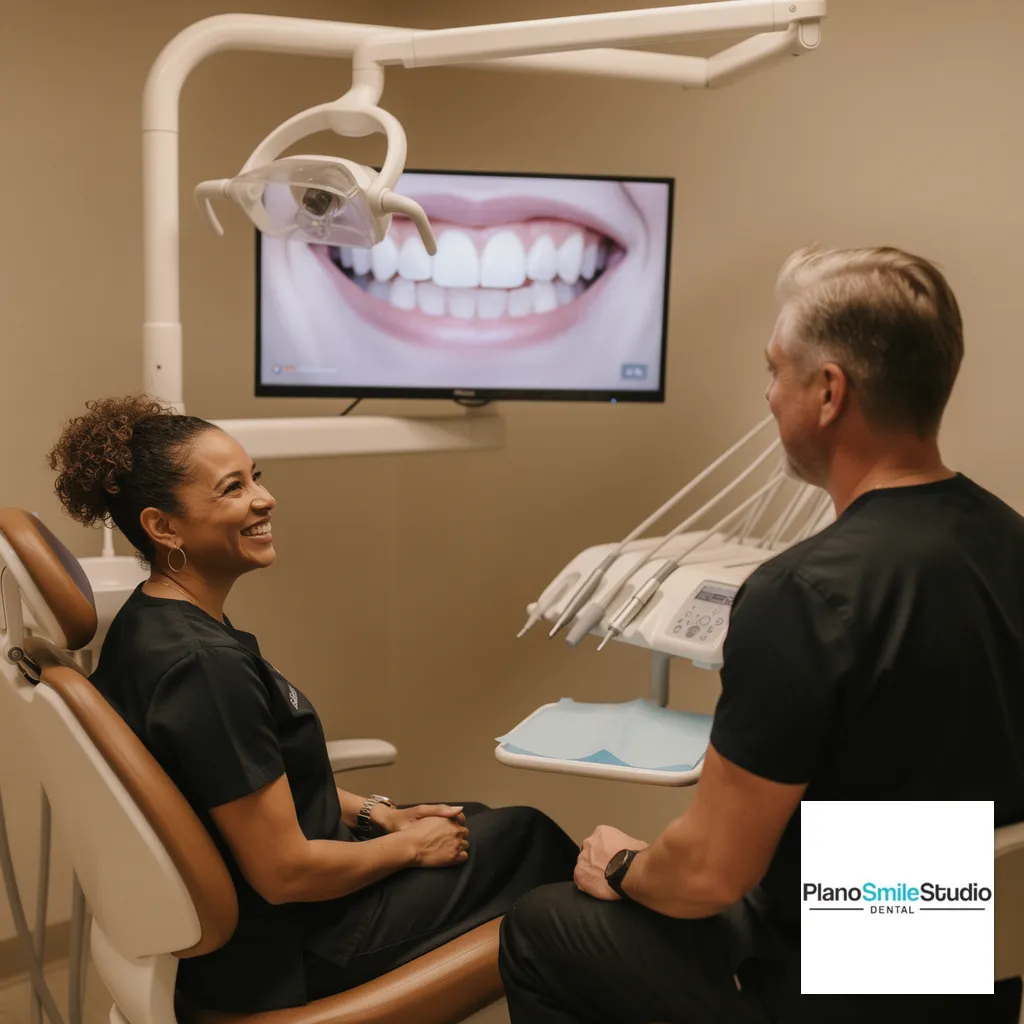
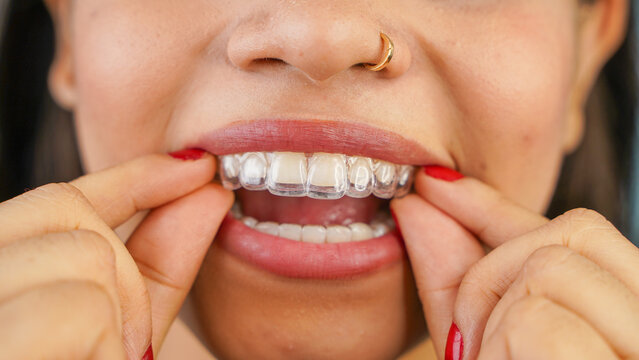
Following completion of Invisalign treatment, some patients present with uneven tooth edges that affect smile aesthetics. This article summarises common causes and cosmetic dentistry solutions, outlines the mechanisms behind edge discrepancies and repair techniques, and gives criteria for selecting a qualified cosmetic dentist in Plano. The practice and benefits of personalized care at Plano Smile Studio are also summarised.
What Causes Uneven Tooth Edges After Invisalign Treatment?
Uneven edges can result from the mechanics of tooth movement during orthodontic treatment. Progressive repositioning alters alignment and may change tooth morphology. Contributors include initial tooth shape, treatment duration and individual biological response to orthodontic forces. Addressing these factors helps restore a balanced, aesthetically acceptable outcome.
How Invisalign May Affect Tooth Edges and Shape
Invisalign applies controlled forces to reposition teeth; rotated or rapidly moved teeth can lose aspects of their original contour and develop irregular or jagged edges. Aligner contacts and occlusion may cause minor enamel wear, so recognition of these effects supports the need for targeted follow-up care after aligner therapy.
Which Cosmetic Dental Bonding Techniques Repair Chipped or Uneven Teeth?
Cosmetic dental bonding repairs chips and irregular edges by applying tooth-coloured composite resin to affected surfaces and reshaping margins. Several established techniques address different clinical needs:
- Direct Bonding : Applies composite resin directly to the tooth for immediate results.
- Indirect Bonding : A custom veneer or inlay is fabricated in a lab and bonded to the tooth for added durability.
- Layering Technique : Multiple resin layers are used to achieve natural contour and colour match.
These bonding approaches restore tooth form and function while improving smile appearance, making them suitable for post-Invisalign restorations.
Published evidence supports direct composite bonding as a conservative option for post-orthodontic restorative treatment.
Post-Orthodontic Composite Bonding Solutions
Clinical guidance indicates that clinicians employing direct composite bonding as a post-orthodontic restorative solution should follow established conservative protocols. POST-ORTHODONTIC RESTORATIVE SOLUTION: Conservative Techniques with Direct Composite Bonding, 2020.
What Is Cosmetic Dental Bonding and How Does It Work?
Cosmetic dental bonding uses a tooth-coloured composite resin to repair and improve appearance. The tooth surface is prepared for adhesion, composite is applied in controlled layers, sculpted to contour, and polymerised with a curing light. The minimally invasive technique is often completed in a single appointment and integrates with adjacent dentition.
Advances in composite materials and adhesive systems have positioned direct composite as a less invasive method for post-orthodontic recontouring.
Direct Composite for Post-Orthodontic Recontouring
Historically, indirect restorations were the principal option; developments in composite resins and adhesive protocols have enabled less invasive treatment with direct composite. Post-orthodontic recontouring of anterior teeth using composite injection technique with a digital workflow, K Hosaka, 2020.
How Does Tooth Reshaping Complement Bonding Procedures?
Tooth reshaping (enameloplasty) removes small enamel amounts to refine contours and improve symmetry. Combined with bonding, reshaping prepares the substrate to receive composite accurately. The combined protocol addresses both alignment and surface aesthetics, and reports indicate higher patient satisfaction when both techniques are used.
Combining cosmetic enameloplasty with composite resin techniques provides a straightforward, effective protocol for smile enhancement.
Cosmetic Enameloplasty & Composite for Smile Improvement
The aim of this article was to describe a simple and safe protocol for an additive technique using composite resin combined with cosmetic enameloplasty to improve anterior esthetics. Bio-additive and enameloplasty technique for restoring anterior esthetics: 54-month clinical follow-up, 2020.
How to Choose a Trusted Cosmetic Dentist in Plano for Post-Invisalign Repairs?
Choosing the right cosmetic dentist is essential for optimal post-Invisalign outcomes. Consider these factors:
- Qualifications and Experience : Seek a dentist with specialized cosmetic training and a proven procedural track record.
- Patient Reviews and Testimonials : Read online reviews and request patient testimonials to assess quality of care.
- Consultation Availability : A thorough initial consultation lets you review options and the clinician’s approach.
Evaluating these criteria helps patients identify a cosmetic dentist whose skills and approach align with their objectives.
What Are the Benefits of Personalized Care at Plano Smile Studio?
Plano Smile Studio emphasises personalised care tailored to each patient’s goals, especially after orthodontic treatment. The practice uses targeted planning, clear communication, and continuity of care to support predictable outcomes.
- Tailored Treatment Plans : Individualized plans address specific concerns to deliver effective care.
- Building Patient Trust : Open communication and transparency foster trusting relationships.
- Long-Term Relationships : Ongoing support and care across the patient’s dental journey.
This structured approach supports improved patient experience and treatment results.
If you want additional information about the practice, consult the about us page.
How Does Advanced Technology Improve Repair Outcomes?
Advanced technologies enable precise planning and execution of cosmetic repairs. At Plano Smile Studio, state-of-the-art equipment and digital techniques support predictable clinical results.
- Digital Imaging : Enables precise planning and visualization of outcomes so patients know what to expect.
- 3D Printing : Produces accurate custom appliances and restorations for improved fit.
- Laser Dentistry : Minimally invasive laser methods assist reshaping and preparation, reducing discomfort and recovery.
These capabilities increase efficiency and enhance quality of care.
What Should Patients Expect During and After Post-Orthodontic Dental Repair?
Patients should expect a structured clinical workflow: a comprehensive assessment to determine dentition condition and appropriate intervention, local anaesthesia as needed for comfort, and clear aftercare instructions to promote healing and preserve results.
Is Tooth Reshaping or Bonding Painful?
Most patients have minimal discomfort. Local anaesthesia is commonly used; transient sensitivity may occur for a few days. Standard pain management and over-the-counter analgesics are generally sufficient.
How Long Does Cosmetic Dental Bonding Last After Invisalign?
Bond longevity depends on oral hygiene, occlusal forces and the tooth’s location. With appropriate care, composite bonding typically lasts about 5 to 10 years. Regular exams and avoiding parafunctional habits help extend service life.
If you have questions or wish to schedule a consultation, contact our office via the contact page
Frequently Asked Questions
What are the signs that I need post-Invisalign dental repairs?
Signs include visible uneven edges, chips, or irregular contours. Functional indicators such as bite discomfort or persistent sensitivity may also signal structural concerns. A cosmetic dentist can assess and advise timely intervention.
How much do cosmetic dental bonding procedures typically cost?
Costs vary with procedure complexity, clinician experience, and location. Typical fees are approximately $300 to $600 per tooth. Discuss pricing and financing during the initial consultation and confirm total expected costs including follow-up.
Are there any risks associated with cosmetic dental bonding?
Bonding is generally safe but may carry risks like staining, marginal chipping, or, rarely, allergic response. Poor application can compromise adhesion. Choosing an experienced cosmetic dentist reduces these risks and supports a favourable outcome.
How can I maintain my cosmetic dental bonding after treatment?
Maintain bonding by brushing twice daily, flossing daily, attending regular check-ups, avoiding biting hard objects, and minimising staining substances such as coffee, tea, and tobacco. Report changes promptly.
Can I undergo teeth whitening after cosmetic bonding?
Whitening natural teeth is possible, but composites do not respond to whitening agents and may create a colour mismatch. Discuss timing and strategy with your cosmetic dentist for a uniform appearance.
What is the recovery time after cosmetic dental bonding?
Recovery is typically brief; most patients resume normal activities immediately. Minor sensitivity or discomfort may persist for a few days and usually resolves without intervention. Follow any post-procedure instructions from your clinician.
Conclusion
Correcting uneven edges after Invisalign restores both form and function. Techniques such as composite bonding and enamel reshaping can produce harmonious, natural-looking results. Choosing a skilled cosmetic dentist in Plano ensures personalised treatment aligned with clinical needs. For more information, visit Plano Smile Studio.

