
Recent Posts

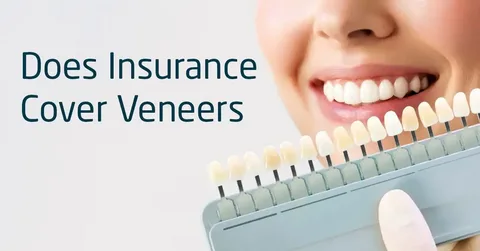
Dental insurance policies vary, and coverage for cosmetic procedures such as veneers is often limited. Many patients ask whether their plan will cover veneer costs. This article explains the coverage landscape for veneers with insights from a cosmetic dentist in Plano, outlining typical coverage, common reasons for exclusions, out-of-pocket cost ranges in Plano, available financing options, and how Plano Smile Studio provides pricing transparency. After reading, you’ll have a clearer sense of how dental insurance interacts with cosmetic dentistry for veneers.
What Does Dental Insurance Typically Cover Regarding Veneers?
Dental insurance policies generally define covered procedures according to medical necessity. Cosmetic procedures, including veneers, are commonly excluded. Most plans focus on restorative and preventive care, leaving elective treatments to the patient. Policyholders should review their individual plans to confirm specific coverage details.
Which Cosmetic Dentistry Procedures Are Usually Excluded?
The following cosmetic dentistry procedures are commonly excluded from dental insurance coverage:
- Veneers: Often considered purely cosmetic, veneers are typically not covered.
- Teeth Whitening: This procedure is also seen as elective and not medically necessary.
- Cosmetic Bonding: Similar to veneers, bonding for aesthetic purposes is usually excluded.
Awareness of these exclusions helps patients make informed choices about elective dental care.
Why Are Veneers Often Not Covered by Dental Insurance?
Insurers generally classify veneers as cosmetic enhancements rather than medically necessary treatments, so coverage is limited. Decisions are based on documented medical necessity, and elective procedures fall outside that definition. Wide price variability for veneers further discourages insurers from providing routine coverage.
How Do Insurance Plans Define Medical Necessity for Veneers?
Insurance plans often apply a narrow definition of medical necessity. To seek coverage, patients may need to submit documentation showing a functional need for veneers. In cases where veneers restore function or prevent further dental damage, partial coverage may be available under some policies.
What Are the Out of Pocket Costs for Veneers Without Insurance in Plano TX?
The cost of veneers without insurance in Plano, TX, typically ranges from $800 to $2,500 per tooth. Price drivers include the veneer material and the clinical complexity of the case. For an individualized estimate, consult a dental professional.
| Type of Veneer | Average Cost per Tooth |
|---|---|
| Porcelain Veneers | $1,200 – $2,500 |
| Composite Veneers | $800 – $1,500 |
The table shows average cost ranges for common veneer types to help with financial planning.
How Does Plano Smile Studio Ensure Pricing Transparency?
Plano Smile Studio emphasizes transparent pricing. During initial consultations clinicians review treatment options and provide personalized cost estimates, explaining fees clearly so patients can decide with confidence.
What Financing Options Are Available for Veneers in Plano?
Financing can reduce the upfront burden of veneers. Many dental practices, including Plano Smile Studio, offer flexible payment plans to spread costs. Discuss financing during your consultation to identify an arrangement that fits your budget.
How Can Patients Access Smile Makeover Financing in Texas?
To access smile makeover financing in Texas, patients should follow these steps:
- Schedule a Consultation: Meet with a dental professional to review treatment options.
- Discuss Financing Plans: Ask about available financing options and payment schedules.
- Understand Terms and Conditions: Make sure you understand the terms before agreeing to a plan.
Following these steps helps patients manage the costs of a smile makeover effectively.
If you are considering dental implants, Plano Smile Studio provides comprehensive restorative services. Contact the practice to schedule a consultation and review options.
For questions or to schedule an appointment, please contact us. Plano Smile Studio can assist with treatment planning and appointment scheduling.
Frequently Asked Questions
Are there alternatives to veneers that might be covered by insurance?
Yes. Treatments such as crowns or fillings that address functional issues or damage are often classified as medically necessary and may qualify for insurance coverage. Consult your dentist to determine which options match your dental health needs and policy.
What factors should I consider when choosing between porcelain and composite veneers?
Consider durability, aesthetic outcome, and cost. Porcelain veneers are more durable, stain resistant, and often look more natural but cost more. Composite veneers are less expensive and can often be placed in a single visit, though they typically have a shorter lifespan. Discuss these trade-offs with your dentist.
How long do veneers typically last, and what maintenance do they require?
Veneers commonly last between 10 and 15 years, depending on material and care. Good oral hygiene, regular brushing and flossing, avoiding very hard foods, using a mouthguard for contact sports, and routine dental check-ups help extend their life.
Can I get veneers if I have existing dental issues?
It is advisable to address problems like gum disease, active decay, or large restorations before getting veneers. Treating these issues first creates a stable foundation and improves the long-term outcome. Your dentist will recommend any necessary preparatory care.
What should I expect during the veneer application process?
The process generally requires two visits. At the first visit the dentist prepares the teeth, removes a small amount of enamel, and takes impressions for custom fabrication. At the second visit the veneers are bonded to the teeth with dental adhesive. The procedure is minimally invasive and delivers an immediate aesthetic improvement.
Are there any risks or side effects associated with getting veneers?
Veneers are generally safe, but possible risks include increased tooth sensitivity, chipping or cracking, and eventual replacement. Enamel removal is irreversible. Discuss these risks with your dentist to weigh benefits and potential drawbacks.
Conclusion
Understanding dental insurance coverage for veneers helps patients make informed choices about elective cosmetic care. Clarifying common exclusions and anticipated out-of-pocket costs supports financial planning and consideration of financing alternatives. Consulting with a qualified provider such as Plano Smile Studio provides personalized guidance and transparent pricing. Contact the practice to schedule a consultation.

