
Recent Posts

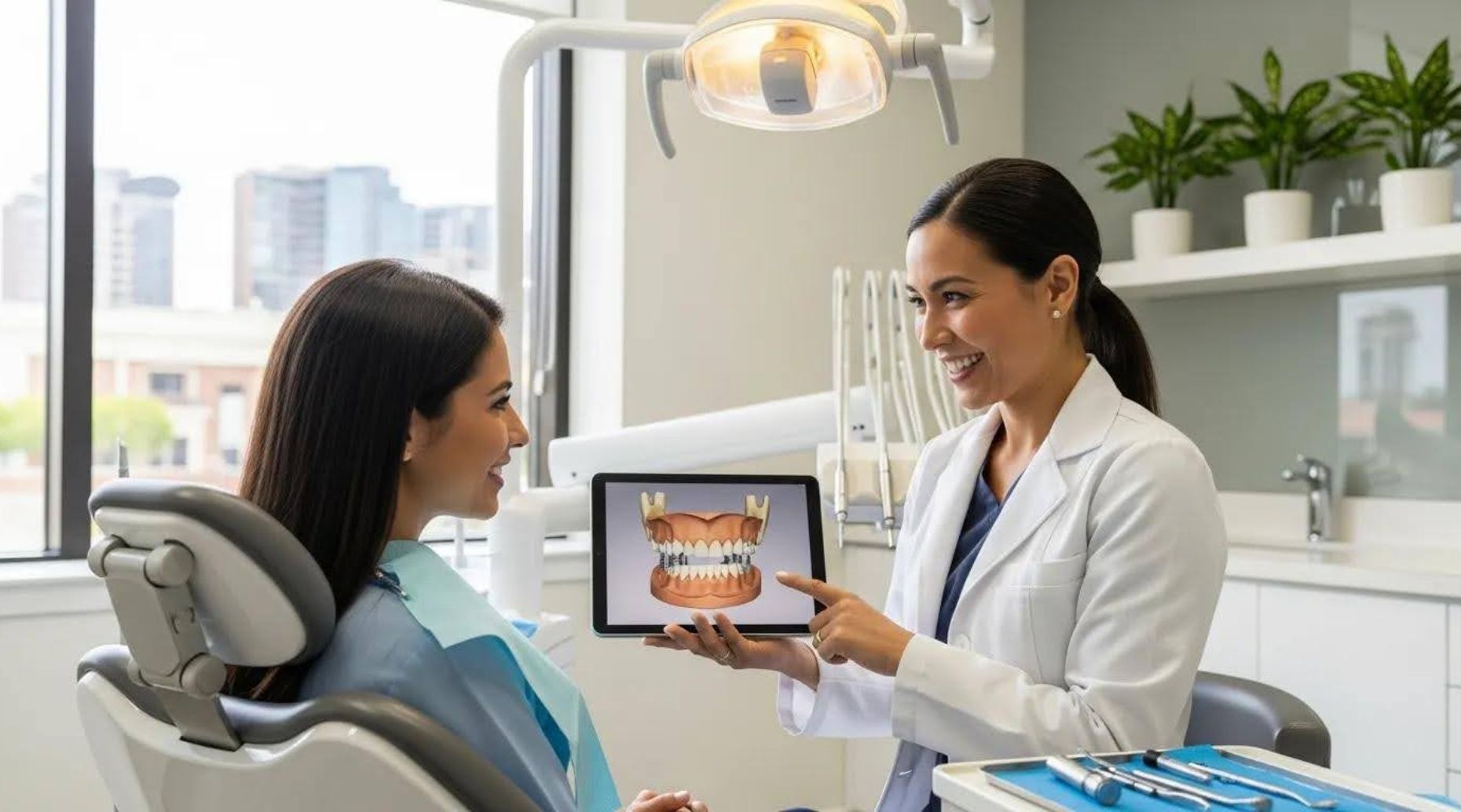
Transferring care to a new dental implant specialist requires a clear sequence of actions to maintain treatment continuity. This guide outlines the necessary steps for preparing dental records, selecting an appropriate specialist, understanding the finishing implant procedure, and addressing insurance and cost considerations. Adhering to these recommendations supports an organised transfer to your new provider.
What Are the Essential Steps to Transfer Your Dental Implant Care in Plano?
The transfer process typically includes contacting the receiving specialist, scheduling an initial consultation, and obtaining complete dental records from the prior provider so the new clinician can review your clinical history and determine the appropriate course of care.
How to Prepare Your Dental Records for Implant Care Transfer
Request your dental records from the previous provider and confirm they include treatment history, imaging results, and any notes specific to your implants. Complete documentation allows the new specialist to assess your case accurately and plan subsequent care.
How to Choose the Right Dental Implant Specialist in Plano, TX?
Select a specialist based on verified qualifications, relevant experience, and patient reviews. A clinician with appropriate training and case experience is better positioned to manage complex implant procedures effectively.
What Qualifications Should You Look for in an Implant Dentist?
Evaluate professional degrees and relevant certifications. Demonstrated experience with dental implants in Plano indicates a higher likelihood of favourable clinical outcomes. Also assess the clinician’s approach to patient care and their emphasis on personalised treatment planning.
How to Evaluate Implant Specialists for Personalized Care
Use the following criteria when evaluating implant specialists:
- Experience and Qualifications: Assess their educational background and years of practice in implant dentistry.
- Patient Reviews: Look for testimonials and reviews from previous patients to gauge satisfaction levels.
- Consultation Approach: Pay attention to how they address your concerns and tailor their recommendations to your specific needs.
What to Expect During the Finishing Implant Procedure After Transfer?
The finishing phase verifies implant integration and functional performance. Expect a comprehensive consultation covering sedation options and the procedural steps required to complete the restoration.
What Are the Key Steps in the Implant Finishing Process?
Key steps in the implant finishing process include:
- Implant Placement: The new specialist will place the titanium post into your jawbone, ensuring proper alignment.
- Healing Period: After placement, a healing period is necessary for the bone to integrate with the implant.
- Abutment Attachment: Once healed, an abutment is attached to the implant, which will hold the final restoration.
How Does the New Specialist Ensure Implant Restoration Success?
The specialist will use appropriate clinical techniques and structured follow-up care to monitor healing and make necessary adjustments. Regular assessments ensure the restoration achieves the intended fit and function.
How to Manage Insurance and Costs When Transferring Implant Care in Plano?
Review your insurance coverage to determine which procedures are included under your plan. Discuss payment and financing options with the receiving specialist to understand potential financial obligations associated with the transfer.
What Insurance Considerations Are Important for Implant Care Transfer?
Consider the following insurance factors when transferring implant care:
- Coverage Options: Verify what procedures are covered under your plan.
- Out-of-Pocket Expenses: Understand any potential out-of-pocket costs you may incur during the transfer.
How to Estimate and Compare Costs Between Implant Specialists
To estimate and compare costs between implant specialists, consider the following:
- Cost Range for Implants: Research the average costs associated with dental implants in your area.
- Factors Affecting Costs: Take into account the complexity of your case, the materials used, and the experience of the specialist.
| Insurance Consideration | Description | Impact |
|---|---|---|
| Coverage Options | Verify what procedures are covered under your plan | High |
| Out-of-Pocket Expenses | Understand potential costs not covered by insurance | Medium |
| Cost Range for Implants | Research average costs for implants in your area | High |
This table summarizes key insurance considerations that can impact your financial planning during the transfer of your dental implant care.
By following these steps and addressing the necessary considerations, you can achieve a smooth transition to a new dental implant specialist in Plano, TX. Maintain complete records and clear communication to preserve continuity of care.
Frequently Asked Questions
What should I do if my previous dentist is unresponsive when requesting my dental records?
If the previous dentist is unresponsive, contact the office by phone, email, and, if feasible, in person. Document all attempts to obtain the records. If issues persist, contact your state dental board for guidance on access rights and assistance with the transfer process.
How long does it typically take to transfer dental records between specialists?
Record transfer time varies from a few days to several weeks. Timelines depend on the previous office’s responsiveness and the complexity of the records. To expedite the process, provide clear authorization and follow up regularly.
What if my new specialist requires additional tests or imaging after the transfer?
A new specialist may request additional tests or imaging to obtain up-to-date diagnostic information. Discuss any concerns about costs or procedures with the specialist so that you understand the clinical justification and the expected benefits.
Can I keep my current dental insurance when switching specialists?
Yes. You may retain your current dental insurance when switching specialists, provided the new specialist accepts your plan. Verify network status with your insurer and the specialist’s office. If referrals or pre-authorizations are required, follow the plan’s procedures to avoid unexpected charges.
What are the potential risks of transferring my dental implant care?
Risks include miscommunication about your treatment history and possible delays in care. A new specialist who is not familiar with your case may require additional evaluation. Mitigate these risks by ensuring records are complete and by maintaining clear communication with both providers.
How can I ensure a smooth transition to my new dental specialist?
Gather all relevant dental records and a summary of your treatment history. Schedule a consultation to discuss needs and expectations. Communicate specific concerns and maintain open lines with both the previous and new specialists to facilitate a coordinated transfer.
Conclusion
Transferring dental implant care to a new specialist in Plano, TX, supports continuity of treatment when managed correctly. Follow the recommended steps to maintain your dental health and to minimise disruptions. If you are prepared to proceed, contact our team for personalised assistance and review our services to confirm continuity of care.

