
Recent Posts
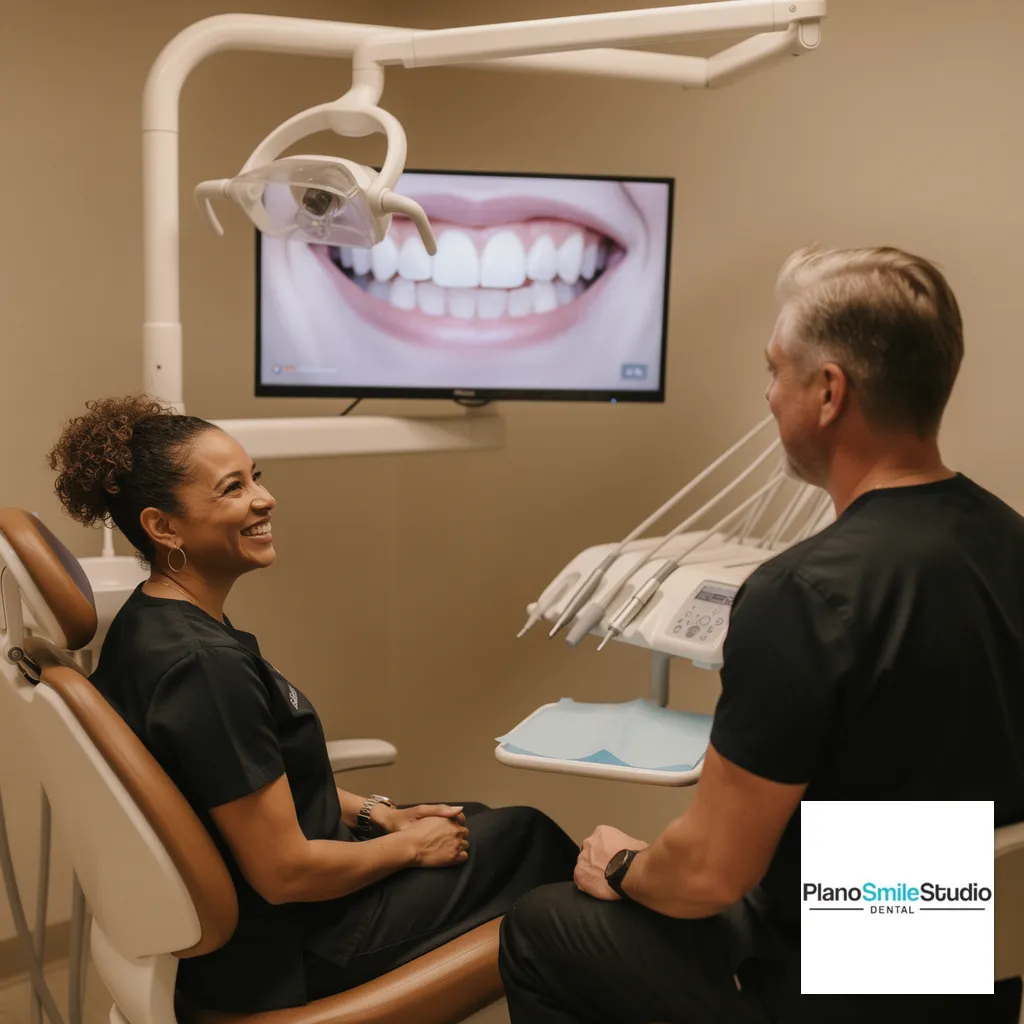
A single-tooth implant is a reliable way to replace a missing tooth without altering the adjacent healthy tooth. This article summarises how a dental implant in Plano is placed next to a natural tooth, the main benefits over a bridge, basic aftercare, and typical costs.
What Is a Single Tooth Dental Implant and How Is It Placed Next to a Natural Tooth?
A single-tooth implant is a titanium post placed in the jaw to support a custom crown. The process begins with a consultation and imaging, followed by surgical placement and a healing period while the implant fuses to bone (osseointegration). Once stable, an abutment and crown complete the restoration so it functions like a natural tooth.
What Are the Steps in the Tooth Implant Procedure in Plano TX?
The typical sequence produces predictable results:
- Initial Consultation: Exam and imaging to plan placement.
- Surgical Placement: Implant post inserted into the jaw under local anesthesia.
- Healing Period: Weeks for osseointegration to secure the implant.
- Abutment Placement: Connector placed on the healed implant.
- Crown Placement: A custom crown is attached to restore function and appearance.
These steps support stable integration and a long-lasting single-tooth solution.
How Does a Titanium Implant Post Support Single Tooth Replacement?
Titanium posts are chosen for biocompatibility and strength. As bone bonds to the implant surface, the connection becomes a stable platform that withstands normal chewing forces and minimises adverse tissue reactions.
What Are the Benefits of Choosing a Dental Implant Without a Bridge?
Implants offer clinical advantages that protect surrounding teeth and long-term oral function.
- Preservation of Adjacent Teeth: No alteration of neighboring teeth is required, unlike a bridge.
- Natural Appearance: Crowns can be matched for color and shape for a seamless result.
- Long-term Durability: With proper care, implants often last many years and are cost-effective over time.
For patients considering dental implants, Plano Smile Studio offers personalised implant planning and treatment.
How Does a Single Tooth Implant Preserve Adjacent Healthy Teeth?
A single implant provides independent support anchored in bone, so neighboring teeth do not need to be reduced. It also helps distribute biting forces to reduce stress on surrounding teeth.
What Are the Durability and Aesthetic Advantages of Titanium Implant Posts?
Titanium posts resist masticatory forces and are compatible with bone. Paired with a well-made crown, the restoration closely replicates the look and function of a natural tooth while remaining structurally reliable.
What Is the Typical Healing Timeline and Aftercare for Single Tooth Implants in Plano?
Healing commonly spans several weeks. After placement, osseointegration typically takes about 8–12 weeks. During this time, follow aftercare guidance—good oral hygiene, avoiding hard foods, and attending follow-up visits—to support predictable outcomes.
As implant use grows, patient-focused maintenance protocols help protect long-term success.
Essential Dental Implant Maintenance and Aftercare Protocols
As the number of dental implants placed in the general population increases, the development of maintenance protocols that address patient needs is essential. Historically, implants were placed predominantly in the early edentulous population; however, with placements expanding to a broader population, a patient-focused approach to peri-implant maintenance therapy (PIMT) and its impact on biological complications and implant survival requires consideration.
Implant Maintenance and Aftercare, C Barclay, 2024
How Long Does Osseointegration Take for a Titanium Implant Post?
Osseointegration usually requires about 8–12 weeks, though individual healing, bone quality, and overall health can shorten or extend this timeline.
What Are the Recommended Aftercare Practices to Ensure Implant Success?
Follow simple aftercare steps to support healing and long-term success.
- Maintain Oral Hygiene: Brush and floss the site daily.
- Follow Dietary Recommendations: Avoid hard or sticky foods while healing.
- Monitor for Complications: Report signs of infection or unusual pain promptly.
These measures promote healing and implant longevity.
How Much Does a Single Tooth Implant Cost in Plano and What Financing Options Are Available?
Costs vary by case. Patients commonly see a range of about $3,000 to $4,500 for a single implant (post, abutment, crown). Financing options and partial insurance coverage may be available to help manage payment.
What Is the Cost Range for Single Tooth Dental Implants in Plano TX?
The typical estimate in Plano is approximately $3,000–$4,500. Additional procedures like bone grafting or sinus augmentation can increase the total when clinically required.
Are There Insurance or Financing Plans to Help Cover Implant Expenses?
For more information or to contact us, visit our website. Many plans offer partial coverage and many practices provide financing that spreads payments over time; verify specifics with your insurer and clinic.
Frequently Asked Questions
Can anyone get a single tooth implant, or are there specific requirements?
Many qualify, but candidates need sufficient jawbone and healthy periodontal tissues. Chronic systemic conditions should be discussed with a medical provider; a dental exam and imaging determine candidacy.
What is the difference between a dental implant and a dental bridge?
An implant is a standalone restoration anchored in bone. A bridge depends on adjacent teeth for support and typically requires altering those teeth. Implants preserve surrounding tooth structure and are often longer lasting.
How do I care for my dental implant after placement?
Maintain strict oral hygiene, brush and floss carefully around the implant, avoid hard or sticky foods during initial healing, and attend regular check-ups.
What are the potential risks or complications associated with dental implants?
Risks include infection, nerve injury, sinus issues (for upper implants) and, rarely, implant failure. Choosing an experienced clinician and following aftercare reduces these risks.
How can I determine if I need a bone graft before getting an implant?
Diagnostic imaging (X-rays or CT) at the initial consult assesses bone volume. If insufficient, the clinician will recommend appropriate bone augmentation before implant placement.
What should I expect during the recovery period after implant surgery?
Expect localized swelling and mild discomfort manageable with medications. Most resume normal activities within days; full osseointegration may take 8–12 weeks. Follow aftercare instructions and attend follow-ups.
Are there age restrictions for getting a dental implant?
There are no strict age limits. Candidates should have a fully developed jawbone (post-adolescence) and adequate health and bone density; clinical evaluation determines suitability.
Conclusion
A single tooth implant placed next to a healthy tooth can restore function and aesthetics without compromising neighboring teeth. For a personalised assessment and treatment plan, contact Plano Smile Studio.

