
Recent Posts
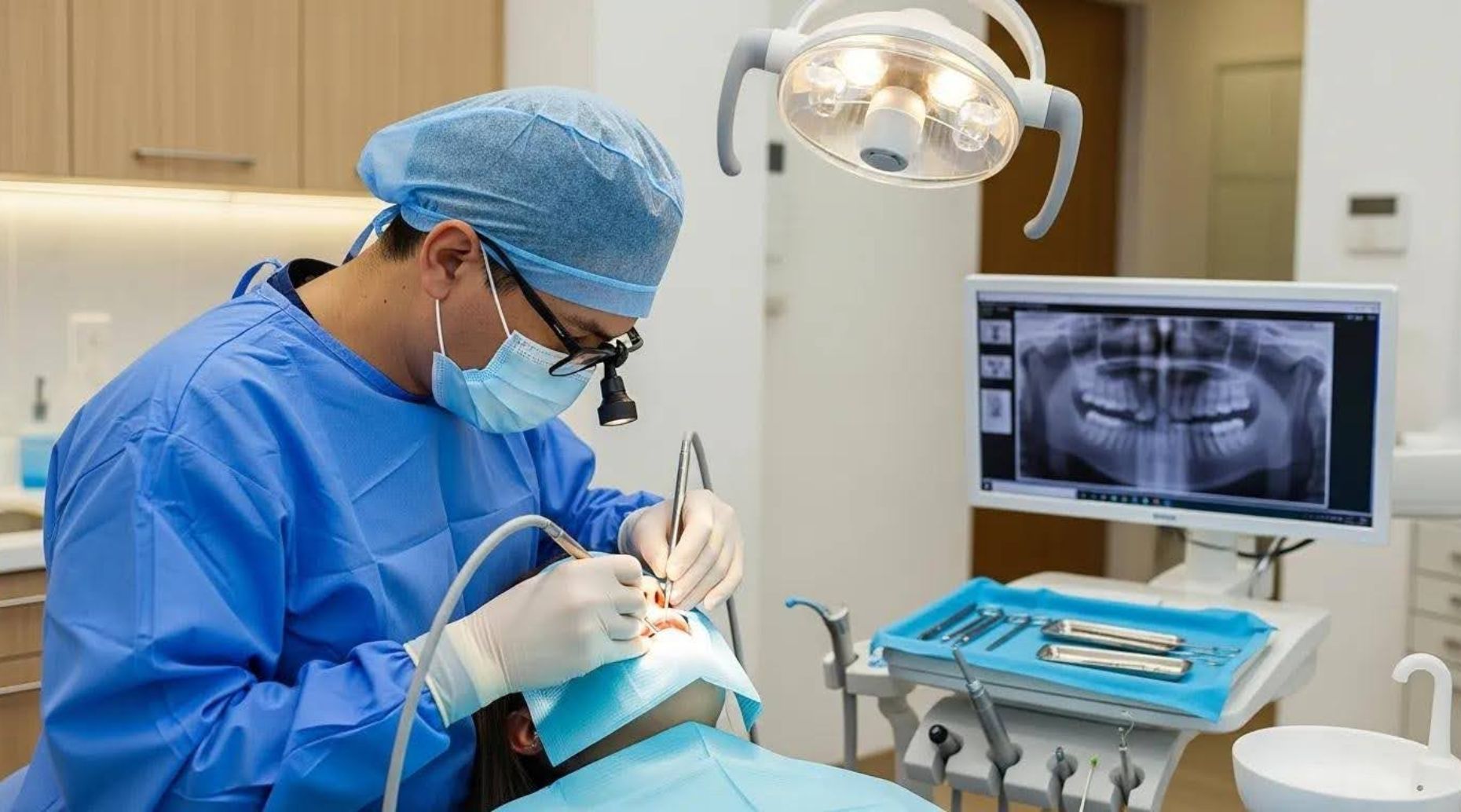
Patients in Plano who plan upper-jaw dental implants often need evaluation for a sinus lift when posterior bone height is limited. Sinus augmentation elevates the sinus membrane and places bone graft material to create a stable base for implants. This guide summarizes when a sinus lift is indicated, what the procedure involves, common risks and benefits, and typical recovery expectations.
Sinus Lift Procedure:
A sinus lift increases bone volume in the posterior maxilla. After diagnostic imaging (X-ray or CT) to assess anatomy and bone height, the surgeon accesses the sinus membrane, elevates it, and places graft material. Healing and graft integration usually take several months before implants can be placed.
Recent literature describes specific techniques intended to reduce invasiveness and improve procedural efficiency for appropriately selected candidates.
Transalveolar Sinus Elevation Techniques for Dental Implants in Posterior Maxilla
Dental implant treatment in the posterior maxilla encounters bone quality and quantity problems. Sinus elevation is a predictable technique to overcome height deficiency in this area. Transalveolar sinus elevation is a technique that is less invasive and less time-consuming, first introduced for ridges with at least 5 mm of bone height.
Different techniques in transalveolar maxillary sinus elevation: A literature review, F Atarbashi-Moghadam, 2021
Candidates for a Sinus Lift:
Not every implant candidate needs a sinus lift. Typical indications are insufficient posterior maxillary height from tooth loss, periodontal disease, resorption, or age-related bone loss. A clinical exam and imaging determine the need.
- Patients with Poor Bone Volume: Bone loss that prevents stable implant anchorage.
- Those with Missing Teeth: Especially posterior teeth where the sinus may occupy the former socket space.
- Individuals with Jawbone Deterioration: Progressive resorption that reduces ridge height.
Potential Risks:
Sinus lift surgery has procedure-specific risks that clinicians discuss during planning; benefits are weighed against these risks.
- Infection: Possible at the surgical site if not managed.
- Nerve Damage: Rare but can cause altered sensation.
- Implant Failure: Possible if grafts do not integrate adequately.
Benefits:
When indicated, a sinus lift enables implant placement in areas otherwise unsuitable, improving implant stability and restoring function and facial form.
- Successful Dental Implant Placement: Greater bone volume supports long-term integration.
- Restoration of Functionality: Improved chewing and speech.
- Prevention of Further Bone Loss: Restores support for facial contours.
For local care, Plano Smile Studio offers sinus lifts and implant services with individualized treatment plans.
What Is a Sinus Lift and When Is It Necessary for Dental Implants?
It is a surgical elevation of the sinus membrane to place graft material when posterior maxillary bone height is insufficient to support implants, creating a dependable foundation for implants.
How Does Sinus Augmentation Support Upper Jaw Dental Implants?
Augmentation increases bone volume and improves load distribution and implant stability; it can also help restore jaw contour after bone loss.
What Are the Indications for a Sinus Lift Procedure in Plano Patients?
Indications include loss of posterior teeth, sinuses close to the alveolar crest, and bone loss from periodontal disease or resorption. Imaging and clinical history guide the decision.
- Missing Molars or Premolars
- Proximity of Sinuses to Jawbone
- Bone Deterioration Due to Gum Disease
What Does the Sinus Lift Procedure Involve?
The typical steps are assessment with imaging, surgical access to the sinus membrane, careful elevation of the membrane, placement of graft material (when indicated), and closure to allow healing and graft integration.
- Initial Assessment
- Incision and Access
- Bone Grafting Process
Which Bone Graft Materials Are Used in Sinus Augmentation?
Material choice depends on case specifics and patient factors. Common options are autograft, allograft, and synthetic substitutes, each with trade-offs in availability and integration.
- Autograft: Patient’s own bone; strong integration potential.
- Allograft: Processed donor bone; avoids donor-site surgery.
- Synthetic Materials: Biocompatible substitutes that support bone growth.
In addition to conventional grafts, emerging methods are being evaluated that aim to achieve sinus augmentation without the use of graft material in selected cases.
Graftless Sinus Lifting Approach for Dental Implants in Posterior Maxilla: A Prospective Study
This study aimed to introduce a graftless sinus lifting approach with simultaneous dental implant placement in the alveolus of the posterior maxilla and compare this approach’s outcomes in freshly extracted sockets versus healed sockets.
A graftless maxillary sinus lifting approach with simultaneous dental implant placement: a prospective clinical study, MM Albadani, 2024
What Are the Step-by-Step Stages of Sinus Membrane Elevation?
Stages include evaluation and anesthesia, controlled membrane elevation to create space, graft placement where needed, and secure closure to permit healing and integration.
- Assessment and Anesthesia
- Incision and Lifting the Membrane
- Closure and Healing
What Are the Risks and Benefits of Sinus Lift Surgery?
The main benefit is added bone volume for reliable implant placement; principal risks include infection, nerve disturbance, and graft or implant failure. These are considered during treatment planning.
| Aspect | Description |
|---|---|
| Benefits | Improved implant success, restored function, preservation of bone |
| Risks | Infection, nerve damage, implant failure |
Discuss expected outcomes and risks with your clinician to choose the best option.
What Are the Common Risks Associated with Sinus Augmentation?
Common issues include postoperative infection, possible altered sensation from neural impact, and sinus complications such as sinusitis; careful technique and postoperative care reduce these risks.
- Infection
- Nerve Damage
- Sinus Issues
How Does a Sinus Lift Improve Dental Implant Success Rates?
By restoring posterior maxillary bone volume, a sinus lift provides mechanical support that reduces stress at the implant-bone interface and improves integration in deficient cases.
What Is the Recovery Process After a Sinus Lift?
Recovery focuses on graft integration, wound healing, and limiting strain on the surgical site. Patients follow specific postoperative instructions to support regeneration and avoid complications.
- Expected Duration of Recovery: Several weeks of initial healing; full graft integration often takes months.
- Post-Operative Care: Follow care instructions closely to promote healing.
- Potential Complications: Mild swelling or discomfort is common; infection is less common with proper care.
How Long Is the Typical Sinus Lift Recovery Time?
Full graft integration commonly requires 4–6 months, with clinical follow-up to determine timing for implant placement. Recovery timing varies with individual health and procedure extent.
- Healing Period Duration: Approximately 4–6 months for full integration.
- Factors Affecting Recovery: Overall health, smoking status, and adherence to care instructions.
- Post-Operative Care Instructions: Follow clinician guidance for activity and diet.
What Aftercare Measures Are Recommended for Optimal Healing?
Aftercare includes prescribed analgesia and antibiotics when indicated, a soft-food diet initially, gentle oral hygiene avoiding direct trauma to the site, and scheduled follow-up visits.
- Pain Management: Over-the-counter or prescribed analgesics as advised.
- Diet Recommendations: Soft foods during early healing.
- Oral Hygiene Tips: Gentle cleaning; avoid vigorous rinsing or brushing near the surgical site.
Understanding sinus augmentation helps patients make informed implant decisions. If considering dental implants in Plano, TX and possible sinus lift, consult a qualified dental professional for a tailored plan.
Frequently Asked Questions
What is the difference between a sinus lift and a regular dental implant procedure?
A sinus lift is a preparatory procedure to increase bone height before implants. A standard implant is placed into existing bone; a sinus lift is needed when bone volume is inadequate.
How can I prepare for a sinus lift procedure?
Preparation includes imaging and medical review; clinicians may advise temporary changes to medications and will provide perioperative instructions to optimize outcomes.
What should I expect during the recovery period after a sinus lift?
Expect some swelling and discomfort managed with analgesics, dietary and activity restrictions for a short period, and routine follow-up. Implant placement is delayed until graft integration is sufficient.
Are there alternatives to a sinus lift for dental implants?
Alternatives include shorter implants or graftless techniques in selected cases; suitability depends on bone dimensions and oral health.
How do I know if I am a candidate for a sinus lift?
Candidacy is based on imaging of bone volume, dental history, and general health; typical candidates have significant posterior maxillary bone loss or sinuses close to the alveolar crest.
What are the long-term effects of a sinus lift on dental health?
When successful and followed by proper care, sinus lifts generally yield favorable long-term outcomes: improved implant stability, restored function, and reduced further maxillary resorption.
Conclusion
Determining the need for a sinus lift is a key step in planning upper-jaw implants when posterior maxillary bone is limited. The procedure can improve implant stability and function when indicated. Consult a qualified dental professional to evaluate your case and develop an individualized plan; schedule an assessment to discuss options and next steps.

