


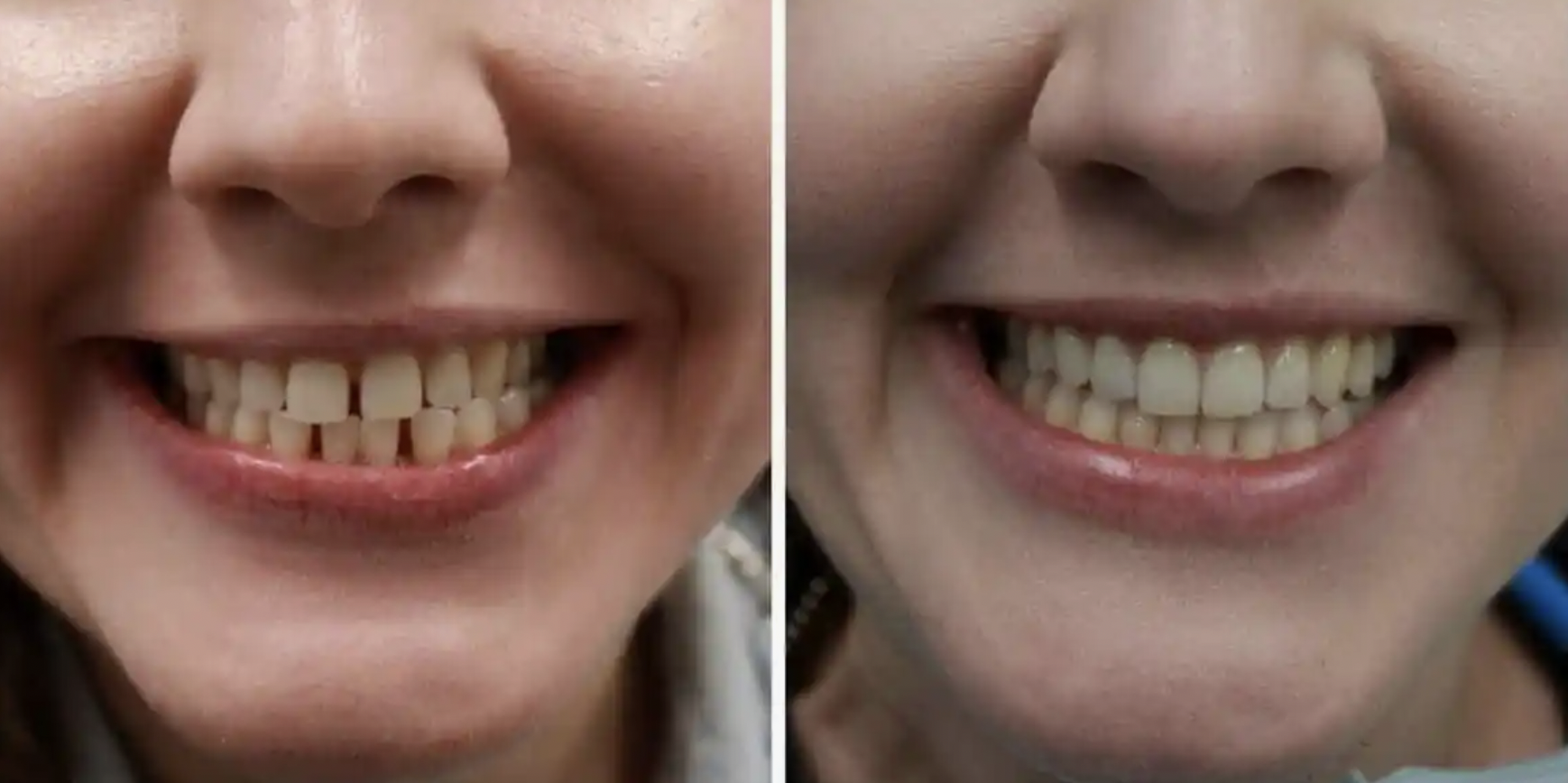


Restorative dentistry is the art and science of diagnosis and treatment of dental diseases in the mouth aimed at restoring the function and aesthetics of the teeth and supporting tissues. Restorative dentistry is an amalgamation of various other specialties, including conservative dentistry and endodontics (root canals), periodontics (gum specialty), fixed and removable prosthodontics (replacement of lost teeth) and dental implantology.
In some countries, restorative dentistry is considered a specialty of its own and dentists receive additional training in this field. In most countries, restorative dentistry is also practiced by a team of dental specialists from various other specialties. Your restorative dentist must be an expert in all the different disciplines that make up restorative dentistry, but he should be able to integrate the knowledge in a seamless and sensible manner. There is considerable interactivity between the different specialties and the treatment planning can become highly complex, testing the diagnostic and clinical skill of your restorative dentist. Preventing damage to the teeth also comes under the umbrella of restorative dentistry; your dentist has to be able to teach you to maintain your oral hygiene and prevent future damage.
What are the common reasons for restoring teeth?
- Dental decay
- Fractured tooth
- Dental abrasion
- Misaligned teeth
- Closing gaps
- To improve the aesthetics of teeth
How does the dentist restore decayed teeth?Dentists have been using dental amalgam or silver amalgam for over 100 years. Even today, most developing countries still use dental amalgam due the low cost and durability. Your Dallas cosmetic dentist uses dental composites and glass ionomer cements to restore teeth for patients who need a more aesthetic option for restoring their teeth. More extensive decays can be restored with onlays and inlays.
- The dentist will first diagnose the type of dental decay. He will determine the extent of decay with the help of a dental explorer and mouth mirror.
- He will proceed to take x-rays to determine the extent of decay within the tooth.
- Pulp vitality tests will be conducted to rule out inflammation of the pulp. If the pulp test elicits no response, the tooth is dead. The tooth will need a root canal.
- The dentist will use the dental drill to remove a major portion of the decay.
- He will remove the remaining decay with help of a slow-speed drill or hand instrument.
- He will then proceed to include retentive features and finish the margins to ensure a perfect fit for the filling.
- The extent of tooth preparation will depend on the type of filling. A dental amalgam will require ore tooth preparation than dental composites or cements.
- If the decay is extremely deep, the dentist will place a dressing made of calcium hydroxide.
- A base of dental cement is placed to protect the pulp from sudden thermal and electric changes that can affect the pulp adversely. If dental composites or cements are used as restoration material, a base is usually not placed.
- A band is placed to support the filling if the decay has extended into the margins of the tooth.
- The cavity is filled incrementally with the restorative material.
- High points in the filling is marked out with articulation paper and reduced to proper height.

