
Recent Posts
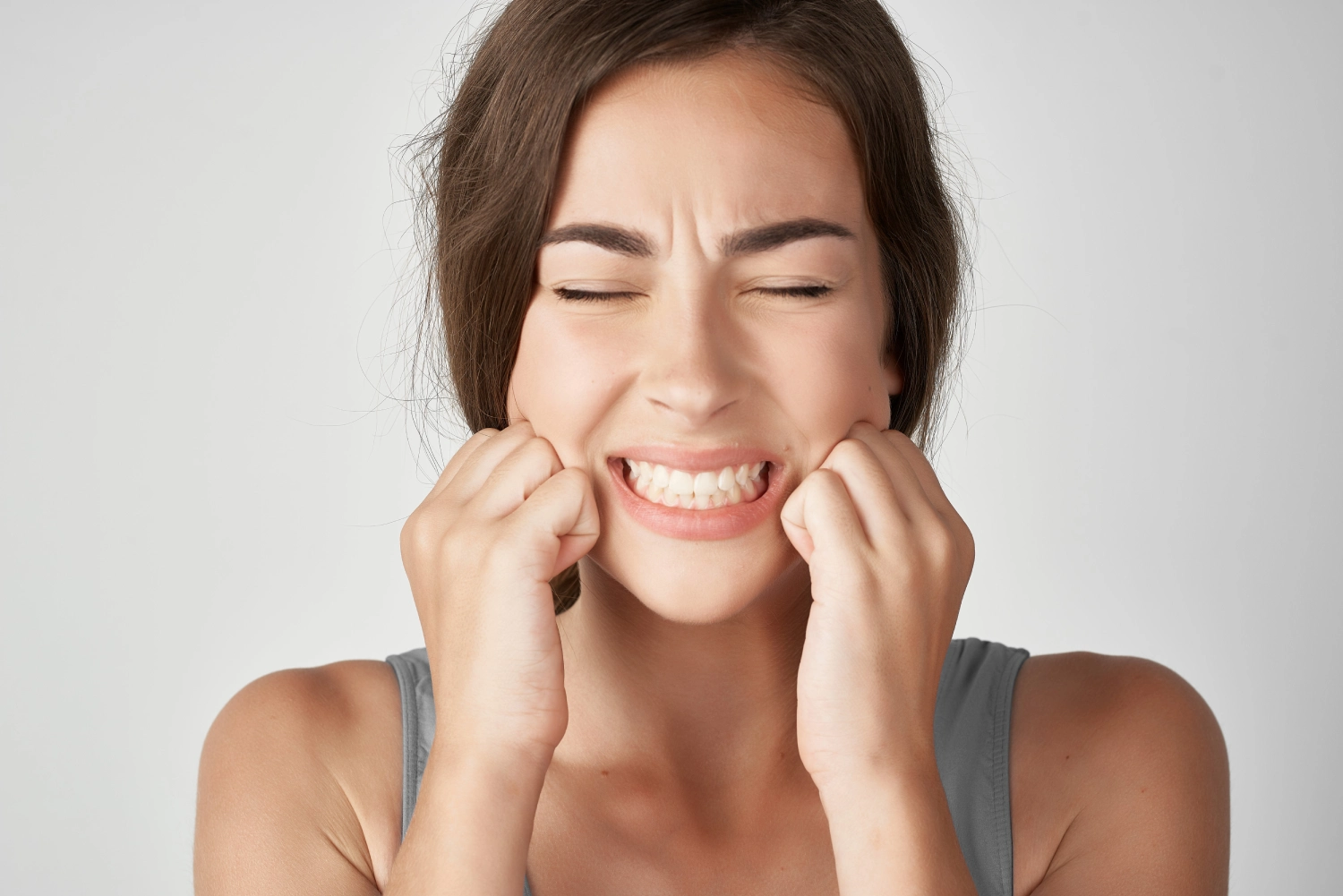
Dry mouth may be one of the most under-diagnosed dental conditions in modern dentistry. Technically termed “Xerostomia”, many dry mouth sufferers may not realize the extent of their condition or the possible damage that may occur as a result of the condition.
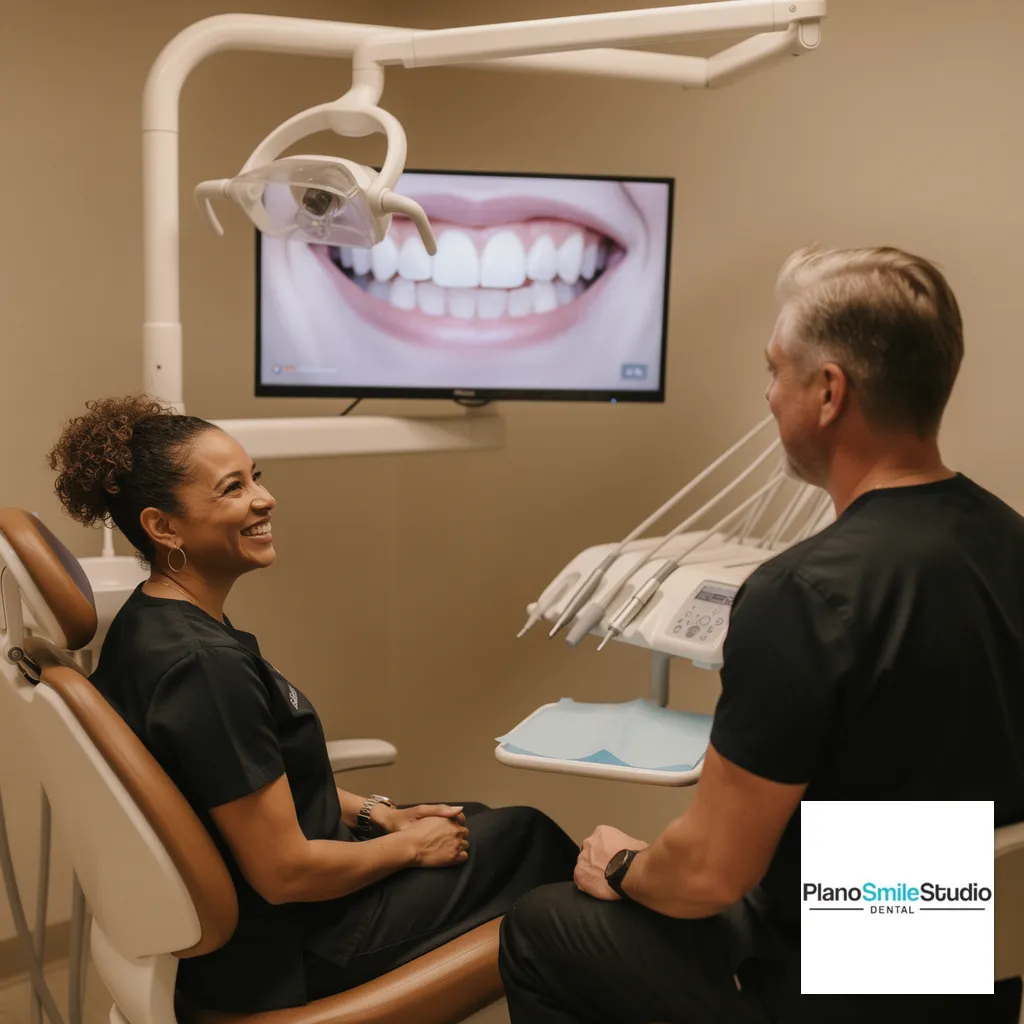
By discussing your daily homecare habits with Dr. John M. Hucklebridge, your Plano TX dentist, it is possible to identify the condition and seek the appropriate treatment.
Dry mouth, or xerostomia, is a decrease in the average amount of saliva present in the mouth. Saliva is the body’s natural defense against the acids that cause tooth decay. When the mouth is exceptionally dry, the increased risk for tooth decay can be significant.
Patients who notice that the mouth tends to be dry may find themselves frequently reaching for a drink during the day, waking up for a drink during the night, or sucking on mints and candies constantly. These patients may also notice that the gums tend to be inflamed, leading to bleeding during brushing and flossing.
Some common causes of dry mouth include:
- Medications. Allergy medications, sleeping aids, pain relievers and other medications can cause a significant degree of xerostomia. Hundreds of these medications list dry mouth as a possible side effect, and millions of patients require these medications on a long-term basis.
- Mouthbreathing. Sleeping with the mouth open or snoring can lead to severe irritation of the soft tissues of the mouth. Your dentist may detect inflammation, bleeding, or redness of the gum tissue surrounding the front teeth as an indicator to your condition.
- Health conditions. Sjogren’s syndrome, diabetes, and Parkinson’s disease are among a number of health conditions known to contribute to dry mouth symptoms.
- Cancer treatments. Radiation therapy to the head or neck and chemotherapy can severely affect the availability of saliva. These treatments can cause damage to the salivary glands, decreasing the quality and quantity of the saliva.
After identifying xerostomia, your dentist may advise you to drink as much water as possible, while avoiding juices, soft drinks, and candy. More frequent brushing and flossing may be helpful, as well as prescription and over the counter saliva substitutes.
For your health, don’t ignore your dry mouth symptoms. To learn more about xerostomia, call the office of Dr. Hucklebridge at 972-398-2550 and schedule your appointment today.

